In an era where borders blur and identities intertwine, the concept of citizenship has evolved far beyond a simple legal status. Multiple citizenship—once a rarity—has become a complex and increasingly common reality, reflecting our interconnected world. This multiplicity offers a wealth of opportunities, from expanded rights to diverse cultural ties, yet it also presents a labyrinth of legal, social, and personal challenges. Navigating this nuanced landscape requires a careful understanding of both the privileges and the pitfalls that come with holding more than one national identity. In exploring the multifaceted nature of multiple citizenship, we uncover a story of global mobility, identity negotiation, and the ever-shifting meaning of belonging.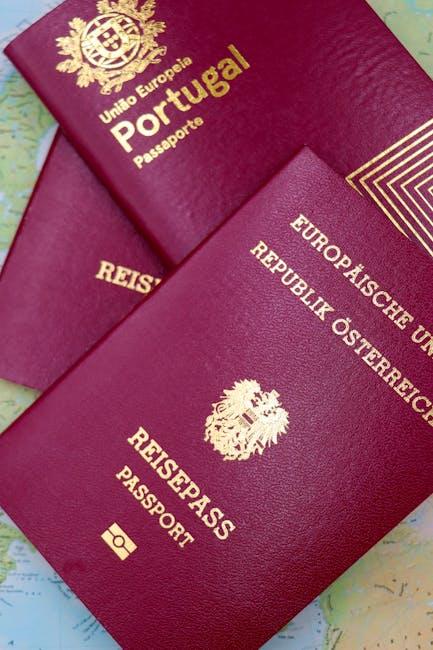
Understanding the Legal Landscape of Multiple Citizenship
In an era where borders are becoming increasingly permeable, holding citizenship in more than one country offers unique freedoms but also presents intricate legal challenges. Each nation adheres to its own set of rules regarding dual or multiple citizenship, ranging from total acceptance to outright prohibition. This mosaic of legislation means that individuals must be keenly aware of the legal obligations each citizenship entails, including taxation, military service, and allegiance. Understanding these nuances is essential to avoid unexpected complications in travel, employment, and even property ownership across borders.
- Tax responsibilities: Some countries tax worldwide income, potentially subjecting dual citizens to double taxation.
- Legal protection: Not all countries will recognize your other citizenship in diplomatic matters.
- Military service: Compulsory service laws may apply to dual citizens in one or both countries.
- Renunciation rules: Certain nations demand renouncing former citizenships upon naturalization.
| Country | Dual Citizenship Policy | Notable Restriction |
|---|---|---|
| Canada | Permitted | No military service |
| Japan | Generally prohibited | Must choose by age 22 |
| United States | Permitted | Worldwide income tax |
| Germany | Restricted | Requires special permission |

Balancing Rights and Responsibilities Across Borders
Holding multiple citizenships offers a fascinating blend of privileges, but it also means walking a fine line between diverse legal frameworks and societal expectations. Individuals must adeptly navigate varied obligations like tax duties, mandatory military service, and civic participation requirements, which can sometimes conflict or overlap. For example, a dual citizen might find themselves obligated to file taxes in two countries or comply with two different sets of voting laws, creating a complex web of accountability. Understanding these responsibilities is essential to maintaining the delicate balance of rights granted by each nation.
Beyond legalities, the cultural and ethical dimensions of multiple citizenship raise important questions. Loyalty and identity may feel fragmented, as citizens strive to honor their ties to multiple homelands. Some key elements to consider include:
- Respecting local customs and laws in each country
- Maintaining transparent communication with relevant authorities
- Being aware of conflicting obligations that might arise
Below is a simplified comparison of common responsibilities that multiple citizens might encounter:
| Responsibility | Country A | Country B |
|---|---|---|
| Tax Filing | Annual | Biannual |
| Military Service | Required | Optional |
| Voting Rights | National Elections | Local Elections Only |
Challenges in Taxation and Financial Compliance
Holding multiple citizenships opens doors to opportunities across borders, but it also entangles individuals in a labyrinth of fiscal obligations and legal scrutiny. Tax authorities worldwide are increasingly vigilant, collaborating through information exchange agreements that complicate compliance. Each passport may bind an individual to diverse taxation regimes, which can impose:
- Distinct filing deadlines and periodic reporting requirements
- Multiple tax return submissions, sometimes on the same income streams
- Varied definitions of residency that affect tax liabilities
- Conflicting tax treaties and potential double taxation risks
Staying compliant demands meticulous financial record-keeping and deep understanding of international tax laws. Failure to navigate these complexities can lead to penalties, fines, and prolonged audits. To illustrate, consider this simplified comparison of two citizenship scenarios:
| Citizenship Combination | Primary Tax Challenge | Compliance Difficulty |
|---|---|---|
| USA + Canada | Worldwide income taxation vs. residency-based system | High |
| UK + Australia | Different tax years and reporting standards | Moderate |
| Germany + South Africa | Varied social security contributions | High |
Proactive consultation with cross-border tax advisors and leveraging technology to track obligations can transform these challenges into manageable steps, turning complexity into empowerment rather than a burden.
Cultural Identity and the Personal Impact of Dual Allegiance
Embracing multiple citizenships often means weaving together distinct cultural threads into a unique personal tapestry. This blend enriches one’s worldview but can also spark a quiet tension between belonging and individuality. For many, the heartbeat of cultural identity is a rhythm that fluctuates—sometimes feeling rooted in one homeland, other times floating between traditions and languages. This dynamic experience fosters adaptability, empathy, and a profound understanding of diversity, yet it also invites introspective questions about where one truly belongs. Navigating these emotional landscapes requires a delicate balance of honoring heritage without being confined by it.
The journey of dual allegiance shapes not only self-perception but also daily interactions and social ties. Individuals often find themselves juggling complex emotions tied to their multifaceted identity, such as:
- Cultural pride, celebrating diverse customs and legacies
- Conflicted loyalty, especially during political or social tensions
- Social navigation, blending customs in personal and professional environments
- Internal reflection, forging a coherent sense of self beyond national borders
| Aspect | Impact on Identity |
|---|---|
| Language | Shaping communication styles and emotional expression |
| Traditions | Blending celebrations and values from two worlds |
| Community | Building bridges across diverse social circles |
Practical Strategies for Managing Multiple Passports and National Obligations
Balancing multiple passports is more than just carrying different travel documents; it involves keen awareness and proactive management of diverse legal responsibilities and opportunities. One effective strategy is to maintain an organized digital repository of all important documents, including visas, tax obligations, and renewal dates. Tools such as secure cloud storage or specialized apps can help track these critical deadlines, ensuring none are overlooked. Additionally, it’s wise to subscribe to official embassy newsletters or governmental updates, as regulations can change swiftly, affecting everything from travel restrictions to conscription laws.
Understanding and complying with national duties require a tailored approach depending on your countries of citizenship. Consider the following tips to navigate this complex landscape:
- Schedule Annual Reviews: Set a fixed annual date to review your legal and financial commitments in each country.
- Consult Local Experts: Engage with immigration lawyers or tax consultants familiar with multi-national obligations.
- Leverage Consular Services: Use consulates as resource hubs not just for emergencies but for legal clarifications and document renewals.
| Passport Country | Key Obligation | Best Practice |
|---|---|---|
| Country A | Annual Tax Filing | Automate reminders & consult tax advisor |
| Country B | Military Service Registration | Register online & update consulate |
| Country C | Passport Renewal | Renew 6 months before expiry |
To Conclude
In a world increasingly defined by blurred borders and interconnected lives, multiple citizenship emerges not just as a legal status but as a powerful symbol of our complex global identities. Navigating this multifaceted reality requires more than understanding paperwork—it demands a nuanced appreciation of the cultural, political, and personal dimensions that come with holding more than one nationality. As we move forward, embracing the challenges and opportunities of multiple citizenship will be essential in crafting a future where belonging is fluid, rights are respected, and identity transcends traditional boundaries. Ultimately, the journey through multiple citizenship is a testament to the evolving nature of what it means to call the world home.