In an era where borders blur and identities intertwine, holding a dual national passport is more than just a travel document—it’s a key to a world of possibilities. Whether it’s the freedom to explore diverse cultures, access to multiple job markets, or the chance to build a life across continents, dual nationality offers unique advantages and challenges. This guide is designed to help you navigate the complexities and opportunities that come with carrying two passports, empowering you to make informed decisions and embrace a truly global lifestyle.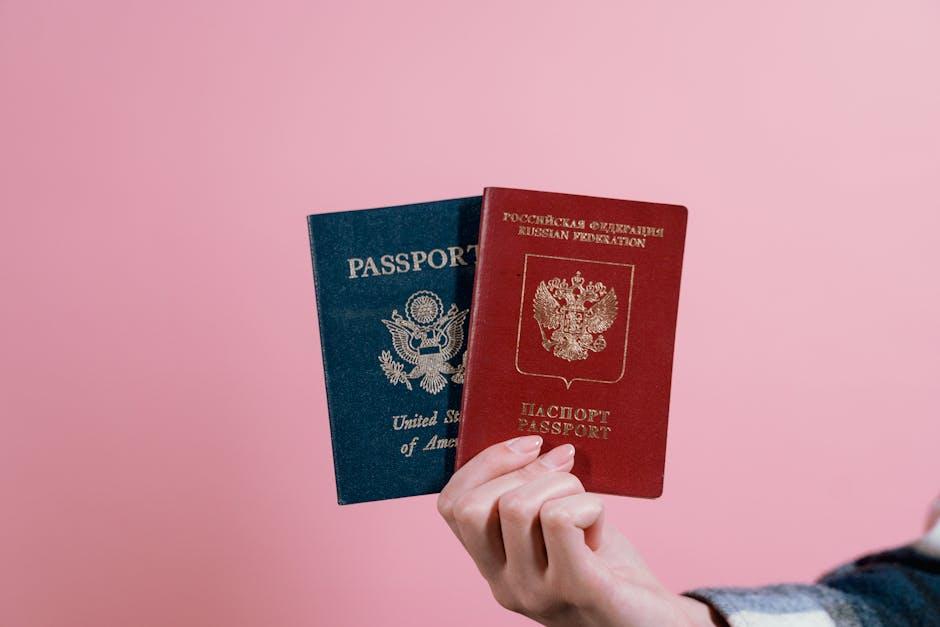
Understanding the Benefits and Challenges of Holding Dual National Passports
Holding dual national passports opens a world of possibilities, offering enhanced travel flexibility and access to a broader range of services and protections. This privilege often allows for visa-free or visa-on-arrival travel across more countries, easing international movement for business, leisure, or education. Additionally, dual nationals can benefit from social services, healthcare, and employment opportunities in both countries, bridging cultural divides and enriching personal identity through connection to multiple heritages.
However, navigating dual citizenship also comes with its set of complexities. Some common challenges include:
- Legal conflicts: Differing laws on taxation, military service, and political participation can complicate responsibilities.
- Renewal and documentation: Managing two sets of paperwork can be time-consuming, and delays might arise due to varying bureaucratic systems.
- Travel restrictions: Certain countries may restrict entry if you hold a passport from a conflicting nation.
| Benefit | Challenge |
|---|---|
| Visa-Free Global Travel | Complex Tax Filing |
| Access to Multiple Social Services | Dual Military Obligations |
| Enriched Cultural Identity | Potential Passport Conflicts |
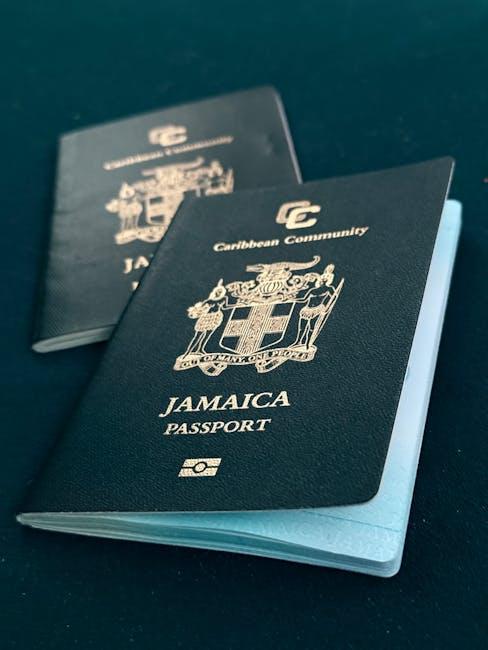
Essential Documentation and Legal Considerations for Dual Nationals
Owning dual nationality opens the door to a world of opportunities, but it also comes with a set of documentation and legal responsibilities that must be carefully managed. Beyond carrying two passports, dual nationals should always keep handy essential documents such as birth certificates, naturalization papers, and proof of residency. These are not just formalities; they are vital for proving identity and citizenship status when entering a new country, applying for visas, or accessing government services. It’s also wise to maintain updated versions of both national IDs and, where applicable, local permits or driver’s licenses to navigate daily life smoothly.
Legal considerations are just as crucial as documentation. Dual nationals must stay informed about the laws regarding taxation, military service, and voting rights in both countries. Ignorance of these laws can lead to unexpected penalties or legal complications. For example, some countries require dual nationals to fulfill military obligations or declare foreign income annually. Below is a summarized view of common legal considerations:
| Country Aspect | Common Requirement | Impact on Dual Nationals |
|---|---|---|
| Taxation | Annual reporting of global income | Must file taxes in both countries or claim exemptions |
| Military Service | Compulsory enlistment | May need to serve or apply for exemption |
| Voting Rights | Eligibility to vote in elections | Can influence political engagement in both nations |
- Keep copies of all travel and legal documents in both digital and physical formats.
- Stay updated on dual citizenship laws as these can evolve with changing national policies.
- Consult legal experts when in doubt, especially before long stays or relocating between countries.
Maximizing Travel Flexibility and Entry Rights with Dual Passports
Holding dual passports unlocks a world of possibilities, allowing travelers to weave through international borders with greater freedom and fewer restrictions. This rare privilege can often mean sidestepping visa requirements, benefiting from multiple entry rights, and gaining access to countries with ease. Moreover, when geopolitical tensions arise, your dual nationality can serve as a diplomatic shield, offering alternative routes home or access to consular support from either country. Such flexibility not only enhances travel experiences but also adds a layer of security in a rapidly changing world.
To fully harness the benefits, it’s essential to understand the nuances of your dual citizenship. Here are a few key advantages to keep in mind:
- Extended Visa-Free Travel: Travel with minimal paperwork by alternating between passports depending on your destination’s visa policies.
- Multiple Entry Benefits: Some countries limit the duration or frequency of visits; dual status may allow extended stays through varied entry stamps.
- Reduced Border Scrutiny: When one passport raises red flags, your alternate nationality may facilitate smoother customs processing.
- Access to Social Services: Eligibility for local healthcare or social benefits in either country during extended travels.
| Scenario | Primary Passport | Secondary Passport | Benefit |
|---|---|---|---|
| Visa Required for UK | Visa Needed | Visa Exempt | Choose Passport For Entry |
| Entry to Canada | Multiple Entry Allowed | Single Entry Limit | Switch as Needed |
| Consular Support in Crisis | Unavailable | Available | Diplomatic Safety Net |
Practical Tips for Managing Visa Applications and Border Control
When handling visa applications with dual nationality, the key to a smooth process is organization and thorough preparation. Always check the specific visa requirements for each nationality as they can vary widely, even for the same destination. Keep digital and physical copies of all necessary documents including passports, proof of residence, and travel itineraries. Utilizing a checklist app or a simple spreadsheet can help track deadlines, submission dates, and interview appointments—ensuring nothing falls through the cracks. Additionally, engaging with embassies or consulates early on can clarify complicated rules or dual-nationality nuances, which might save time and reduce anxiety later.
Border control encounters demand clear communication and understanding of your rights and obligations. Presenting the correct passport depending on the destination or entry point can affect the ease of your arrival, so decide wisely beforehand. Below is a quick reference guide for common dos and don’ts to help keep entry and exit as frictionless as possible:
| Do | Don’t |
|---|---|
| Carry both passports when traveling internationally | Assume one nationality’s visa covers both passports |
| Declare dual nationality upon request | Hide visa or passport information |
| Have visas arranged before arrival when required | Try entering on a tourist visa for longer stays |
| Stay informed about travel advisories and entry rules | Ignore official guideline updates |
Navigating Tax Obligations and Residency Requirements with Dual Citizenship
Holding dual citizenship opens doors to unique opportunities, but it also comes with a complex web of tax obligations and residency rules. It’s essential to understand that each country involved may have its own distinct policies regarding income reporting, tax treaties, and residency criteria. Staying compliant often means balancing filing requirements between two tax jurisdictions, which can involve:
- Annual tax returns in both countries
- Possible double taxation or tax credits
- Monitoring physical presence to determine tax residency
- Disclosure of foreign bank accounts and assets
Many dual nationals benefit from bilateral treaties designed to mitigate double taxation but navigating these can be tricky without expert advice. Residency status not only impacts tax obligations but also access to social services, voting rights, and legal residency requirements. Below is a simplified overview of how residency and tax responsibilities often interact in typical dual citizenship scenarios:
| Country A Residency | Country B Tax Obligation | Common Action Steps |
|---|---|---|
| Resident | Partial or Full Tax | File tax returns in both, claim treaty benefits |
| Non-resident | Tax only on sourced income | Submit applicable tax documentation annually |
| Resident in both | Potential double taxation | Consult tax advisor, apply for credits or exemptions |
To Conclude
As the world grows ever more interconnected, holding a dual national passport is like carrying a key to a richer, more flexible global experience. While the journey through paperwork, regulations, and cultural nuances may seem daunting at first, the rewards of expanded horizons and deeper connections are well worth the effort. By understanding the ins and outs of navigating multiple citizenships, you empower yourself to step confidently across borders, embracing the full spectrum of what this interconnected world has to offer. Whether for adventure, opportunity, or a sense of belonging, your dual passport is more than just a travel document—it’s a bridge to endless possibilities.