
In an increasingly interconnected world, the concept of citizenship has evolved far beyond the borders of a single nation. For some, this evolution takes the form of triple citizenship—a unique status that intertwines the legal ties, identities, and responsibilities of three countries. Navigating this complex landscape offers a fascinating blend of opportunities and obstacles, where the privileges of multiple passports come hand in hand with intricate legal, cultural, and diplomatic challenges. This article explores the multifaceted experience of triple citizenship, shedding light on its benefits, the hurdles it presents, and the rights it grants in a globalized society.
Understanding the Complex Landscape of Triple Citizenship
Holding three citizenships simultaneously is becoming an increasingly complex reality for global citizens. It’s not just about possessing multiple passports; it involves navigating layers of legal frameworks, cultural identities, and political landscapes. Each country has its own rules regarding citizenship—some permit dual or multiple citizenships freely, while others impose strict regulations or outright prohibitions. The interplay between these diverse national laws can lead to unexpected complications, particularly when it comes to taxation, military service obligations, or eligibility for public services. Understanding how these rules mesh is crucial before committing to acquiring or maintaining triple citizenship.
Beyond legal intricacies, triple citizenship introduces a unique blend of benefits and challenges. On the plus side, travel flexibility, extended work rights, and access to social benefits across three countries can enrich one’s personal and professional life significantly. However, this advantage comes with administrative burdens like managing different legal systems, potential conflicts in international relations, and sometimes the very real risk of legal ambiguity. Here’s a quick glimpse of what triple citizenship entails:
- Taxation: Responsibilities might overlap, requiring thorough financial planning.
- Military Service: Some countries mandate conscription, which could lead to conflicting obligations.
- Rights and Duties: Voting rights, access to healthcare, and social benefits vary by nationality.
- Legal Conflicts: Laws concerning property, marriage, and inheritance could be complex.
| Aspect | Potential Benefit | Possible Challenge |
|---|---|---|
| Travel | Visa-free or visa-on-arrival access to multiple regions | Complicated entry requirements depending on passport used |
| Employment | Expanded job markets and work permits | Conflicting work regulations or limits on government jobs |
| Healthcare | Access to healthcare services in multiple countries | Eligibility differences and varying coverage policies |
Maximizing the Benefits of Holding Multiple Passports
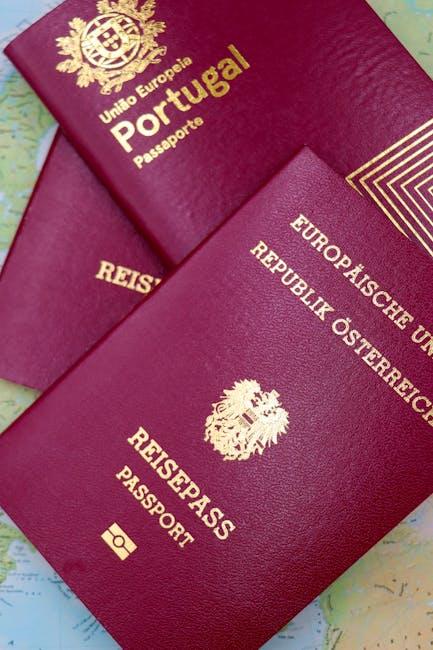
Holding multiple passports unlocks a remarkable array of opportunities, empowering you to navigate the world with unprecedented flexibility. Imagine having the freedom to work, live, and study across different countries without the usual visa hurdles. This advantage extends beyond personal convenience; it enhances your global mobility, allowing for quicker entry and exit, access to diverse healthcare systems, and the strategic ability to optimize tax obligations legally. Leveraging dual or triple citizenship can also open doors to exclusive business networks and investment opportunities, which might otherwise remain out of reach.
To truly maximize these advantages, it’s essential to stay informed about the legal frameworks of each country involved. Planning travel routes, residence, and tax submissions carefully can help you avoid conflicts between jurisdictions. For instance, some nations require mandatory military service or have strict policies regarding dual tax residency. Below is a simple guide to help you prioritize benefits effectively:
| Benefit | Strategy | Example |
|---|---|---|
| Visa-Free Travel | Use the passport with the strongest travel freedom for vacations | European Union passport for seamless Schengen access |
| Work Opportunities | Choose citizenship that grants work rights in desired countries | Canadian passport for North American employment |
| Tax Efficiency | Understand tax treaties to minimize dual taxation | Use country residence rules strategically |
Legal Challenges and Responsibilities to Consider
Holding citizenship in three countries can introduce complex legal landscapes that require careful navigation. Each nation enforces its own laws regarding taxation, military service, and civic duties, potentially leading to overlapping obligations. For instance, double or triple taxation treaties may mitigate some financial burdens, but not all countries participate in these agreements. Additionally, legal conflicts can arise if one country restricts dual or multiple citizenships, risking loss of nationality or penalties if undisclosed. Awareness and proactive management of these intersecting laws ensure that triple citizens remain compliant, avoiding unintended legal entanglements.
Beyond tax and legal compliance, responsibility extends to maintaining valid documentation, such as passports and permits, for each citizenship. Failure to update or renew these documents can result in travel restrictions or denied consular assistance. Understanding your rights is equally vital — including voting rights, access to social services, and legal protections. Below is a simplified overview of typical responsibilities and challenges faced by triple nationals:
| Responsibility | Potential Challenge | Mitigation Strategy |
|---|---|---|
| Tax Filing | Multiple tax returns and unexpected liabilities | Consult international tax experts |
| Military Service | Mandatory conscription conflicts | Request exemptions or deferments |
| Document Validity | Expired passports or ID cards | Regularly monitor expiration dates |
| Legal Disclosure | Unintentional law violations due to non-disclosure | Maintain transparency with authorities |
Protecting Your Rights Across Borders
Securing your rights while holding triple citizenship demands a proactive approach to understanding the legal frameworks of each country involved. It’s essential to stay informed about how international treaties and bilateral agreements impact your ability to work, vote, and receive social benefits across borders. Equally important is recognizing the nuances of each nation’s laws, such as taxation obligations and mandatory military service, to avoid unexpected legal entanglements. Being vigilant about renewing documents like passports and visas can also prevent disruptions in your mobility and access to essential services.
To effectively protect your rights, consider the following strategic actions:
- Maintain clear records of your citizenship documents and related paperwork for quick reference.
- Consult legal experts specializing in international law and immigration to navigate complex regulations.
- Stay updated on changes in policies related to citizenship, residency rights, and cross-border taxation.
- Engage with expatriate and diplomatic communities for practical advice and support networks.
| Right | Example | Potential Challenge |
|---|---|---|
| Voting | Participate in elections of all three countries | Registration deadlines differ by country |
| Taxation | File taxes in countries of residence and citizenship | Double or triple tax liabilities without proper planning |
| Healthcare Access | Benefit from national health systems | Eligibility criteria may vary or conflict |
Practical Strategies for Managing Triple Allegiances
Effectively managing triple citizenship requires a proactive approach to legal and cultural responsibilities. First and foremost, it’s essential to stay informed about the tax obligations, voting rights, and mandatory service requirements each country might impose. Maintaining organized records of passports, visas, and residency permits can simplify travel and administrative processes. Additionally, cultivating strong ties within each community can ease the integration of diverse cultural identities, promoting a balanced personal and professional life across borders.
Practical tips to navigate this complex situation include:
- Regular Consultation: Schedule periodic check-ins with legal experts specializing in international and immigration law to avoid compliance pitfalls.
- Consistent Communication: Keep regular contact with relevant consulates to stay updated on changes in regulations or benefits.
- Financial Planning: Employ multiple banking and investment strategies that align with the fiscal policies of all three countries.
- Language Mastery: Enhance proficiency in languages associated with each citizenship to foster better social and professional interaction.
| Strategy | Benefit | Time Investment |
|---|---|---|
| Legal Updates | Avoid penalties, stay compliant | Monthly |
| Financial Management | Optimize tax advantages | Quarterly |
| Cultural Engagement | Strengthen identity and networks | Ongoing |
Key Takeaways
In a world where borders blur and identities intertwine, navigating the complex landscape of triple citizenship offers a unique blend of possibilities and pitfalls. Embracing multiple nationalities can unlock doors to diverse cultures, expanded rights, and global opportunities, yet it also demands a careful balancing act with legal and personal responsibilities. As you chart your course through the intricacies of triple citizenship, staying informed and mindful will help you harness its benefits while steering clear of potential challenges. Ultimately, this journey is more than a bureaucratic endeavor—it’s an exploration of identity, belonging, and the ever-evolving notion of home in an interconnected world.




