In a world where borders are increasingly fluid and cultures interwoven, the concept of identity grows ever more complex. Passport dual nationality stands at the crossroads of this evolving landscape, offering a unique blend of challenges and opportunities. It opens doors to multiple homelands, blending heritage with global possibility. Yet, it also invites questions about allegiance, legalities, and personal meaning. This article embarks on a journey through the intricate terrain of dual nationality, exploring how this passport—both literal and symbolic—shapes the modern experience of identity and opportunity.
Understanding Dual Nationality and Its Legal Landscape
Dual nationality serves as a bridge between cultures, allowing individuals to embrace multiple identities within a single lifetime. It opens doors not just to travel convenience but also to a richer sense of belonging and legal advantages across diverse regions. However, this intricate web of citizenship laws varies significantly worldwide, demanding a thorough understanding of each country’s stance on dual nationality. For instance, some nations permit dual citizenship without restriction, while others impose limitations or require renouncement of the original nationality.
Beyond identity, the legal landscape surrounding dual nationality often involves complex rights and responsibilities. These can range from tax obligations, military service, voting rights, to passport privileges. The nuances can be summarized as follows:
- Travel Flexibility: Access to more visa-free countries and reduced travel barriers.
- Employment Opportunities: Eligibility for jobs that require local citizenship.
- Legal Protection: Consular assistance from multiple nations.
- Obligations: Potential double taxation or dual military service duties.
| Country | Dual Nationality Status | Notable Restrictions |
|---|---|---|
| United States | Permitted | Must declare allegiance in legal matters |
| Japan | Restricted | Must choose one nationality by adulthood |
| Canada | Permitted | None significant |
| Saudi Arabia | Generally prohibited | Loss of citizenship if dual status detected |
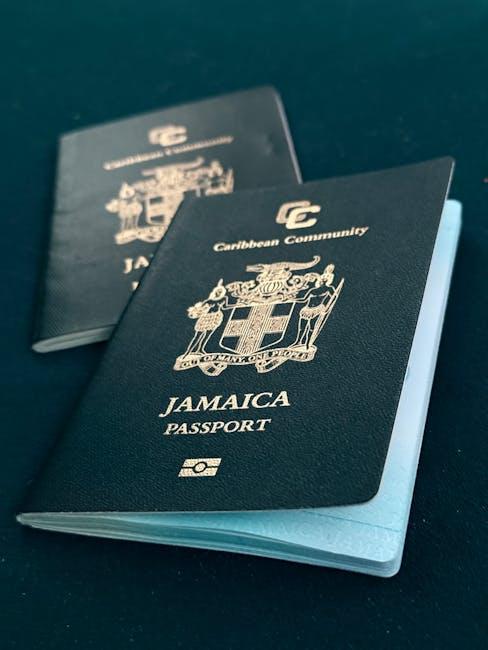
Balancing Cultural Identity with Global Mobility
Embracing multiple nationalities often means walking a fine line between honoring one’s heritage and embracing a broader, international worldview. This dual allegiance enriches the individual’s cultural fabric, allowing for deeper connections to the roots while simultaneously fostering a sense of belonging in diverse environments. It’s a personal dance of identity—where the colors of tradition blend with the hues of global experiences, creating a dynamic, evolving sense of self. Individuals who carry more than one passport often find themselves uniquely positioned to appreciate different cultural narratives without feeling confined to a single perspective.
However, this blend comes with its own set of challenges and opportunities, especially when it comes to practical aspects of living and working across borders. Navigating different legal systems, tax obligations, and travel freedoms requires a strategic mindset. Here’s a brief overview of how dual nationality can impact these practicalities:
| Benefit | Consideration |
|---|---|
| Broader Travel Freedom | Know visa requirements and entry restrictions for each passport |
| Expanded Work Opportunities | Understand employment laws and residency rights |
| Access to Social Services | Be aware of citizenship-specific healthcare and benefits |
| Diplomatic Protection | Consider diplomatic support limitations based on nationality used |
Economic and Career Advantages of Holding Multiple Passports
Holding multiple passports opens up a world of economic possibilities that single-nationality holders often find inaccessible. With dual nationality, individuals can tap into diverse job markets, benefit from reduced or waived visa requirements, and take advantage of bilateral trade agreements that favor citizens. This flexibility empowers professionals to negotiate salaries or contracts in different currencies, seek remote work opportunities internationally, or even establish businesses in strategic locations with fewer bureaucratic obstacles. These advantages can translate into significant financial growth and a broader network of career options.
Moreover, multiple passports often provide enhanced social security and pension benefits spanning more than one country, creating additional safety nets for the future. They can also increase eligibility for specialized jobs restricted to citizens, such as government or defense roles, while fostering cross-cultural competence highly prized in global corporations. The following table summarizes some key economic and career benefits common among dual passport holders:
| Advantage | Benefit | Example |
|---|---|---|
| Visa Flexibility | Ease of travel for business trips | Schengen area visa-free access |
| Work Rights | Employment opportunities in multiple countries | Right to work in both the US and EU |
| Tax Optimization | Potential for dual taxation agreements | Reduced tax liabilities abroad |
| Entrepreneurial Access | Ability to open businesses internationally | Startups in emerging markets |
- Global Mobility: Increased freedom to work or invest globally.
- Career Diversification: Expanded opportunities in diverse industries and sectors.
- Economic Security: Broader access to social benefits and retirement plans.
Challenges and Considerations for Dual Nationals
Holding dual nationality often opens doors, but it can also bring about complex legal and personal dilemmas. Different countries have varying rules regarding taxes, military service, and diplomatic protection, meaning dual nationals must carefully navigate overlapping obligations. For instance, while one country might require mandatory military service, the other may not recognize this duty. Additionally, situations such as traveling between the two countries or participating in elections can involve nuanced legal interpretations, sometimes causing confusion or unintended consequences.
Key considerations for dual nationals include:
- Taxation complexities: Managing potential double taxation and understanding reporting requirements.
- Legal obligations: Ensuring compliance with citizenship laws, especially regarding conscription or legal penalties.
- Consular protection limitations: Recognizing that dual nationality may affect the extent of assistance from embassies.
| Challenge | Potential Impact | Example |
|---|---|---|
| Military Service | Mandatory enlistment | Country A requires 2 years service; Country B doesn’t |
| Taxation | Double taxation risk | Income taxed by both nations |
| Travel Restrictions | Visa complications | Requires visas for one’s own second country |
Practical Tips for Managing Dual Citizenship Effectively
Balancing the responsibilities and benefits of dual citizenship requires a strategic mindset. Always keep your documents organized and up to date—carry digital copies of your passports, visas, and any essential legal papers on a secure device or cloud storage. Understanding the tax obligations and legal rights in both countries is crucial to avoid unexpected liabilities or penalties. Establish a clear communication channel with consulates or embassies to stay informed about travel advisories and policy changes. Remember, regular compliance with both nations’ laws is the foundation of seamless dual nationality management.
Embrace the opportunity to cultivate a global lifestyle by leveraging your dual status. Here are some practical moves to enhance your experience:
- Plan travel routes strategically to maximize visa-free access and avoid restrictions.
- Engage in cultural exchanges and language learning to deepen ties with both identities.
- Invest in local resources like banking accounts and healthcare plans suited to each nationality.
- Keep abreast of political shifts that may affect your rights or status in either country.
Optimizing your dual citizenship experience not only opens doors but enriches your identity, blending heritage with opportunity.
In Summary
In the intricate dance between identity and opportunity, dual nationality serves as both a bridge and a beacon. It challenges us to rethink borders—not merely as lines on a map, but as living, evolving narratives of who we are and where we belong. Embracing a second passport is more than a legal status; it is an invitation to explore diverse cultures, expand horizons, and weld together pieces of a multifaceted self. As globalization continues to reshape our world, navigating dual nationality will remain a complex, yet enriching journey—one that holds the promise of countless new beginnings and a broader sense of home.