In an increasingly interconnected world, the notion of identity is no longer confined to a single passport or homeland. The phenomenon of multiple citizenship, where individuals hold legal allegiance to more than one country, weaves a complex tapestry of rights, responsibilities, and opportunities. This intricate legal and cultural landscape challenges traditional ideas of nationality and sovereignty, inviting us to explore how multiple citizenship shapes our global society. In this article, we unravel the multifaceted world of holding more than one citizenship, examining its legal intricacies, personal impacts, and the broader implications it holds for nations and individuals alike.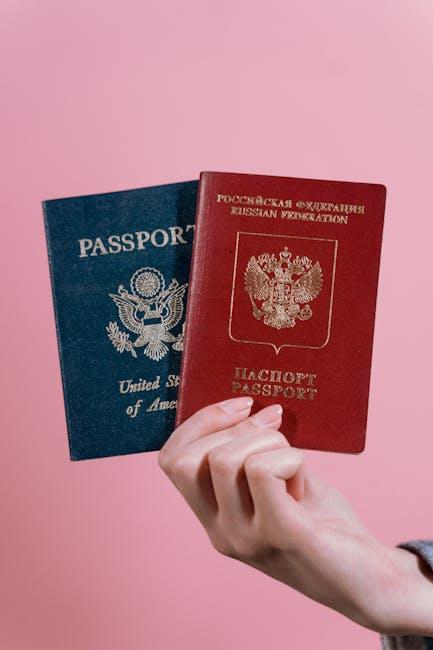
The Legal Maze of Holding Multiple Passports
Obtaining and maintaining multiple citizenships isn’t just about holding extra passports or traveling more freely — it thrusts holders into a complex network of laws and regulations that can vary drastically between countries. Some nations actively encourage dual or multiple citizenship, while others impose strict prohibitions or require citizens to renounce previous allegiances. Navigating these conflicting legal frameworks often involves carefully balancing tax obligations, military service requirements, and even political rights. A misstep in understanding one country’s stance can lead to unexpected consequences, such as loss of citizenship or complicated legal disputes.
Consider the following challenges that arise within this legal labyrinth:
- Taxation Conflicts: Some countries tax worldwide income, forcing multiple citizens to file complex returns to avoid double taxation.
- Military Service: Obligations to serve in the armed forces may be required by one country but not the other.
- Political Participation: Rights to vote or hold office could be limited or revoked due to other citizenships.
- Legal Protections: Diplomatic protection may be compromised if a person holds the citizenship of the country where they face legal trouble.
| Country | Allows Multiple Citizenship? | Typical Legal Constraint |
|---|---|---|
| Germany | No (with few exceptions) | Must renounce other citizenship |
| Canada | Yes | Taxation on worldwide income |
| Japan | No | Choose single citizenship by age 22 |
| South Africa | Yes | Requires formal permission to retain citizenship |

Navigating Tax Obligations Across Borders
Owning citizenship in multiple countries often means facing a labyrinth of tax commitments that defy straightforward navigation. Each nation’s tax code interprets residency, income, and asset ownership differently, turning cross-border financial matters into a challenge that requires keen attention and expert understanding. Whether it’s annual income reporting, wealth taxes, or foreign asset declarations, citizens with ties to more than one country must meticulously comply with diverse tax laws to avoid costly penalties.
Among the tools to manage these complexities are tax treaties, which can alleviate the impact of double taxation and clarify obligations. However, understanding the nuances of such agreements is no small feat. Consider the following common elements that cross-border taxpayers should monitor:
- Foreign Tax Credits: Offsets for taxes paid abroad to avoid double payments.
- Residency Rules: Criteria determining where you owe taxes based on your physical presence.
- Reporting Requirements: Obligations to declare income, bank accounts, and investments globally.
| Tax Aspect | Common Challenge | Typical Solution |
|---|---|---|
| Income Tax | Double taxation on the same income | Utilize tax treaties and foreign tax credits |
| Wealth Tax | Multiple declarations of assets | Disclosure in compliance with each country’s limits |
| Reporting | Complexity in reporting foreign investments | Consult with cross-border tax professionals |
Balancing Rights and Responsibilities in Dual Nationality
Juggling the privileges and obligations that come with holding more than one citizenship is an intricate dance. Dual nationals enjoy the unique benefit of participating in the social, political, and legal fabric of two nations, but this advantage also means respecting the laws and duties mandated by both. It’s important to recognize that rights such as voting, property ownership, and employment privileges do not come without the responsibility to pay taxes, serve on juries, or adhere to each country’s legal standards.
- Legal compliance: Staying informed about the changing regulations in both countries can prevent legal conflicts.
- Civic participation: Engaging thoughtfully in democratic processes respects the duties expected of citizens.
- Cultural respect: Embracing cultural differences encourages harmonious coexistence.
| Rights | Responsibilities |
|---|---|
| Voting in two countries | Paying taxes in both jurisdictions |
| Access to social services | Obeying laws and regulations |
| Freedom to travel | Military service (where applicable) |
Ultimately, the balance between rights and responsibilities demands a proactive mindset from dual nationals. Embracing this complexity with awareness fosters not only personal advantage but also a positive contribution to the societies that shape their identities. Achieving this harmony turns multiple citizenship from a mere legal status into a dynamic bond of mutual respect and engagement.
Cultural Identity and the Emotional Landscape of Multiple Citizenship
Holding multiple citizenships often means navigating a complex emotional terrain where belonging is both enriched and challenged. This multifaceted identity allows individuals to embrace diverse traditions, languages, and histories, weaving these threads into a unique personal narrative. However, it can also spark feelings of inner conflict—where the heart struggles to reconcile contrasting cultural expectations or loyalties. For many, it is a dynamic dance between feeling simultaneously rooted and unanchored, a constant evolution that shapes their understanding of home and self.
These emotional layers impact how multiple citizens relate to the world and themselves. Consider the following emotional nuances that frequently arise:
- Dual Pride — Celebrating different heritages with equal passion.
- Cultural Ambiguity — Encountering moments of uncertainty about identity.
- Social Navigation — Adapting effortlessly across varying cultural environments.
| Emotional Aspect | Experience |
|---|---|
| Connection | Strong bonds to multiple communities and traditions |
| Conflict | Occasional feelings of identity dissonance |
| Adaptability | Enhanced ability to navigate diverse social contexts |
Practical Tips for Managing the Complexities of Dual or Multiple Citizenship
Juggling the responsibilities of dual or multiple citizenship requires a well-organized approach to prevent legal and financial pitfalls. Start by keeping detailed records of all your citizenship documents, including passports, visas, and residency permits. This paperwork is essential, especially if you encounter situations like tax audits, visa applications, or proving residency status. Another smart strategy is to stay informed about the laws governing citizenship in each country you belong to — these regulations can change and impact your rights or responsibilities unexpectedly.
To streamline your management process, consider these practical tips:
- Set calendar reminders for visa renewals and tax deadlines.
- Consult with legal and financial advisors familiar with dual citizenship laws.
- Use secure digital tools to store sensitive documents and access vital information anywhere.
- Understand the tax implications to avoid double taxation or penalties.
| Aspect | Action | Benefit |
|---|---|---|
| Document Management | Keep copies in secure digital storage | Easy access and protection against loss |
| Legal Compliance | Regularly review citizenship laws | Stay ahead of policy changes |
| Tax Filing | Hire cross-border tax experts | Minimized tax liabilities |
| Travel | Carry multiple passports if allowed | Streamlined entry into each country |
In Retrospect
Navigating the intricate web of multiple citizenship reveals a world where identity, law, and opportunity intersect in fascinating ways. While the benefits of holding more than one nationality can be enticing, the complexities beneath—legal obligations, cultural ties, and personal choices—remind us that citizenship is far more than just a passport. As globalization continues to blur borders, understanding the nuances of multiple citizenship becomes not only practical but essential, inviting us to rethink what it truly means to belong.