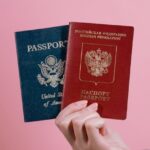
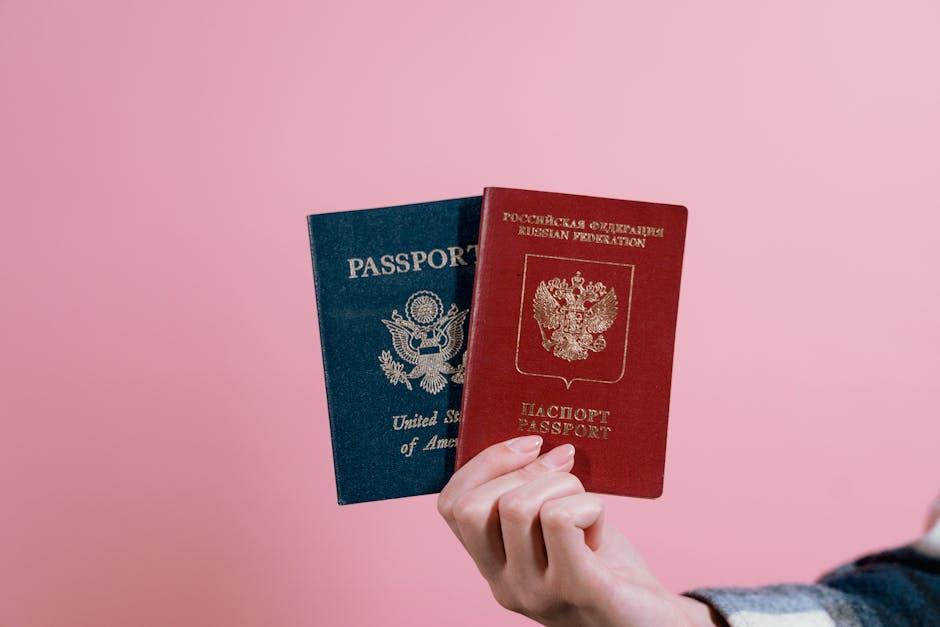
In a world increasingly connected by borders that blur and cultures that intertwine, dual nationality emerges as both a bridge and a boundary. It is the gift—and sometimes the challenge—of holding two passports, two identities, and two sets of expectations. Living between nations offers a rich tapestry of perspectives and opportunities, yet navigating the complexities of allegiance, belonging, and legalities can be equally intricate. This article delves into the dual-edged nature of dual nationality, exploring how individuals balance the privileges and predicaments of a life lived in more than one homeland.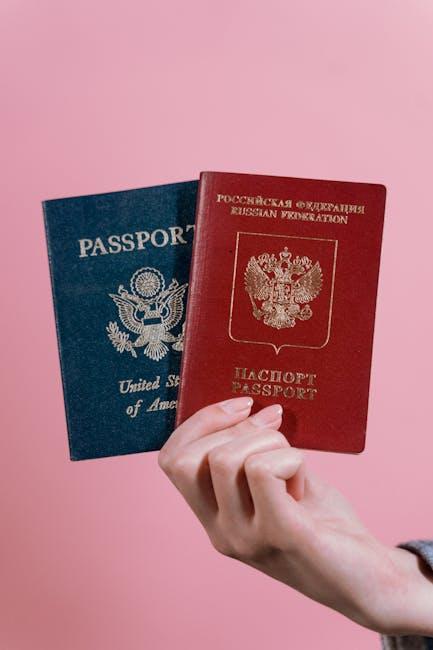
The Cultural Mosaic Within Identity
Being part of two nations simultaneously sculpts an intricate mosaic where every piece—language, tradition, values—interlocks to compose a unique identity. This blending fosters a rare adaptability: one moment savoring a familiar family recipe tied to childhood memories, and the next, participating in a vibrant, unfamiliar festival that broadens the soul. Such duality often leads to a deep appreciation for diversity, cultivating empathy across cultures that transcends geographic borders.
Yet, this rich cultural crossroads can also birth subtle tensions within the self. The pull of contrasting social expectations and differing worldviews creates a dynamic inner dialogue, where belonging isn’t static but fluid. Individuals may find themselves balancing a delicate scale of customs like:
- Celebrating holidays that emphasize solitude versus collective festivity
- Communication styles that oscillate between directness and nuance
- Views on individualism and community that shape decision-making
| Cultural Aspect | Nation A | Nation B |
|---|---|---|
| Festivity Style | Family-centered | Community gatherings |
| Communication | Direct | Contextual |
| Decision Focus | Individual choice | Consensus |
Balancing Legal Rights and Responsibilities
Juggling the privileges and duties of two distinct citizenships demands a delicate equilibrium. On one hand, dual nationals unlock access to broader social services, voting rights, and travel privileges. On the other, they navigate a complex web of legal responsibilities such as tax obligations, military service requirements, and adherence to differing national laws. Their daily lives become a strategic dance, where decisions made in one country ripple across to the other, compelling awareness and compliance in both legal landscapes.
Consider the challenges and advantages that come with this nuanced identity:
- Taxation: Reporting income and financial assets correctly to both governments.
- Legal system navigation: Understanding distinct legal frameworks where crimes, contracts, or family laws vary.
- Political engagement: Exercising voting rights responsibly without conflicts of allegiance.
- Military duties: A potential obligation to serve, depending on each country’s mandates.
| Rights | Responsibilities |
|---|---|
| Right to social welfare benefits | Obligation to pay taxes in both countries |
| Eligible to vote in two nations | Potential military service (varies by country) |
| Access to dual healthcare systems | Compliance with differing legal systems |
Challenges in Career and Mobility Choices
Holding dual nationality often opens doors to a broader spectrum of career opportunities, but it also presents a complex web of decisions that can be as daunting as they are exciting. For many, the challenge lies in balancing contrasting labor markets, varying professional certifications, and divergent cultural expectations. This duality can lead to a sense of professional fragmentation, as individuals attempt to align their career trajectories with the norms and regulations of two distinct nations. Navigating visa restrictions, tax obligations, and social security systems becomes a unique puzzle where every move requires careful planning and foresight.
Common hurdles include:
- Reconciling different educational qualifications and work experiences.
- Choosing which nationality’s job market to prioritize without jeopardizing long-term goals.
- Dealing with potential legal limitations on employment in specific sectors or roles.
- Adapting communication styles and professional etiquette across cultures.
| Aspect | Potential Challenge |
|---|---|
| Work Permits | Varied requirements can delay job start dates |
| Language Fluency | Need for continual adaptation and improvement |
| Networking | Building connections across two different cultures |
| Retirement Plans | Deciding where and how to contribute and withdraw benefits |
Embracing Dual Heritage in Personal Relationships
In relationships, the beautiful complexity of holding two national identities often manifests as a rich tapestry of customs, languages, and values. Partners learn to weave together diverse traditions, creating unique celebrations and daily rituals that honor both heritages. This blending fosters deep empathy and a broader worldview, turning potential cultural clashes into opportunities for growth. It also nurtures a flexible communication style, as embracing dual heritage often means navigating between different expressions of emotion, humor, and social norms.
The journey is not without its challenges, particularly when external expectations or familial pressures weigh heavily. However, those navigating dual heritage often develop invaluable skills such as:
- Adaptability: smoothly balancing contrasting cultural demands.
- Resilience: overcoming misunderstandings rooted in cultural differences.
- Open-mindedness: appreciating alternative perspectives and traditions.
- Multilingual communication: enhancing connection through shared language nuances.
This unique dynamic enriches personal relationships by providing layers of cultural depth and connection that can be continually explored and celebrated together.
Practical Tips for Managing Dual Nationality Benefits
Successfully navigating the advantages of holding dual nationality means strategic management of both legal and cultural dimensions. Start by keeping all vital documents—passports, national IDs, and residency permits—up to date and stored securely. It’s equally important to understand the tax obligations in each country to avoid unwelcome surprises; investing time in consulting tax professionals familiar with international laws can save considerable stress later. Furthermore, embrace the diversity dual nationality brings by immersing yourself in both cultures. This doesn’t just enrich personal identity but also opens doors to unique career and social opportunities, allowing you to bridge networks across borders effectively.
Practical habits can enhance your experience and safeguard your rights. Maintain a detailed calendar of important dates such as visa renewals, voting cycles, and tax deadlines to stay ahead. Build a support system that includes legal advisors, expat communities, and consular services to navigate any bureaucratic hurdles efficiently. Below is a quick-reference guide on managing key dual nationality components:
| Aspect | Tip | Recommended Action |
|---|---|---|
| Documentation | Always carry photocopies of essential papers | Store digital backups in secure cloud |
| Taxes | Know local tax treaties | Consult international tax expert annually |
| Cultural Integration | Celebrate customs from both countries | Participate in community events regularly |
In Conclusion
In the intricate tapestry of identity, dual nationality weaves threads of complexity and connection, challenging the boundaries of belonging and allegiance. It is a double edge—offering the richness of multiple worlds, yet demanding the delicate art of balance. As the tides of globalization continue to blur borders, those who navigate life with dual nationality stand at a crossroads of cultures, histories, and futures. Embracing this duality is not merely about holding two passports; it’s an ongoing journey of understanding oneself amid the echoes of two homelands. In the end, the true strength lies not in choosing one over the other, but in harmonizing both into a unique narrative that transcends division and celebrates unity.