In a world where borders blur and cultures intertwine, the concept of identity has grown more complex than ever. For millions who hold double nationality, life unfolds as a delicate dance between two homelands—each offering its own language, traditions, and loyalties. This dual identity, often celebrated for its richness, also presents a unique set of challenges. “The Dual Identity Dilemma: Navigating Double Nationality” delves into the intricate experience of living between two worlds, exploring how individuals reconcile their split allegiances and the social, legal, and emotional landscapes they must traverse. Through this exploration, we uncover not only the opportunities but also the dilemmas that define the modern experience of double nationality.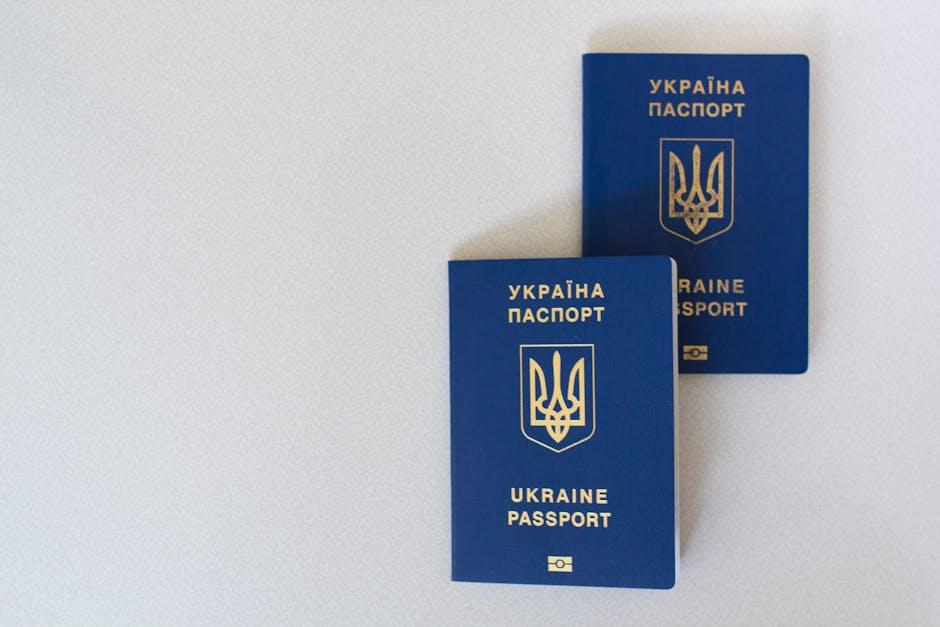
The Emotional Landscape of Holding Two Passports
Carrying two passports often means walking a delicate tightrope between belonging and alienation. While it grants access to a broader spectrum of experiences, it can also ignite an internal tug-of-war over identity. One moment, you may feel invincible, seamlessly belonging to two worlds; the next, like a shadow trapped between cultures. The emotional texture of this existence is woven with pride, confusion, and the incessant quest for self-definition, often stirring both celebration and silent questioning.
Embracing dual nationality means navigating a mosaic of feelings, where love for both homelands coexists with moments of cultural dissonance. Many expatriates describe this as:
- A source of enriched perspective that encourages empathy and adaptability.
- An identity puzzle with pieces that sometimes refuse to fit perfectly.
- A journey of reconciliation between inherited traditions and adopted norms.
It is within these emotional nuances that the true complexity of holding two passports resides — a constant re-evaluation of where “home” truly lies in the heart.
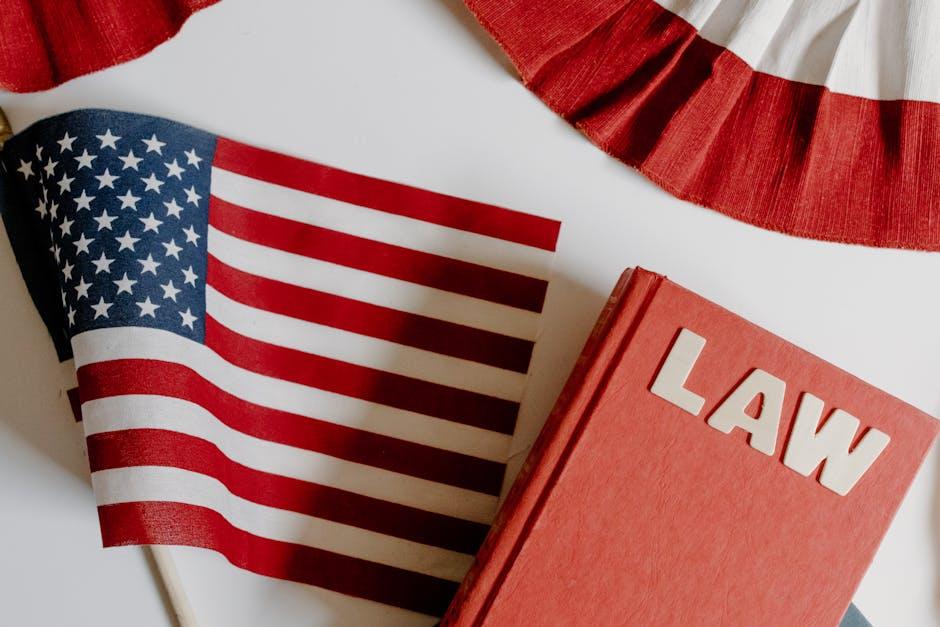
Legal Complexities and Rights Across Borders
When holding dual nationality, individuals often find themselves navigating a labyrinth of legal nuances that vary vastly from one country to another. The rights and obligations attached to each citizenship can sometimes conflict, creating a complex web of responsibilities. For example, while one nation might grant full political rights including the ability to run for public office, another may restrict those rights or require exclusive national allegiance. These differences necessitate a keen understanding of each country’s legal stance on issues like taxation, military service, and voting. Moreover, some states do not officially recognize dual nationality, which can lead to legal challenges such as being considered solely a citizen of that country or facing penalties for holding another citizenship.
Below is a comparative overview highlighting common legal rights and potential conflicts experienced by dual nationals:
| Legal Aspect | Country A (Permissive) | Country B (Restrictive) |
|---|---|---|
| Political Participation | Full voting & candidacy rights | Voting allowed, no candidacy |
| Military Service | Optional, allows deferment | Mandatory for all citizens |
| Taxation | Taxed only on local income | Taxed on worldwide income |
| Recognition of Dual Status | Officially recognized | Not recognized; considered single citizenship |
- Legal Documentation: Often requires juggling passports and visas to remain compliant.
- Consular Protection: May be limited if a country does not acknowledge the dual nationality.
- Inheritance Laws: Can vary significantly, impacting cross-border estate planning.
Understanding these intricate layers is crucial for anyone navigating the dual nationality terrain. Legal advice tailored to individual circumstances is often indispensable to avoid unexpected complications and to fully embrace the benefits that come with holding two national identities.
Cultural Integration Versus Identity Conflict
Embracing two cultures simultaneously offers a vibrant tapestry of experiences, but it can also weave conflicting threads into a person’s sense of self. Individuals with dual nationality often find themselves balancing traditions, values, and societal expectations that don’t always align smoothly. The challenge lies in harmonizing diverse cultural narratives without losing the essence of either identity, a delicate dance between belonging and individuality. This dynamic can enrich perspectives but also spark tension when external pressures or internal doubts question one’s loyalty or authenticity.
Navigating this complex terrain involves negotiating a variety of emotional and social dimensions. Some common manifestations include:
- Dual loyalty dilemmas: Feeling torn between obligations or allegiances to each nation.
- Cultural dissonance: Experiencing discomfort when cultural norms clash in daily life.
- Communication barriers: Managing language preferences or expressions that shape cultural identity.
- Social acceptance challenges: Sometimes facing skepticism or unrealistic expectations from both cultural communities.
Understanding these nuances fosters compassion and creates space for a personalized identity narrative that reflects the richness of dual heritage rather than its contradictions.
| Integration Aspect | Positive Outcome | Potential Conflict |
|---|---|---|
| Language | Bilingual fluency | Code-switching confusion |
| Values | Broad worldview | Moral dilemmas |
| Customs | Rich traditions | Conflicting expectations |
| Social Circles | Expansive network | Sense of exclusion |
Practical Tips for Managing Dual Citizenship Effectively
Embracing dual citizenship means balancing legalities and cultural identities with agility. To stay ahead, it’s crucial to keep both passports updated and to understand the tax obligations in each country. Setting reminders for passport renewals and visa requirements can prevent unexpected travel hiccups. Additionally, maintaining clear communication with the embassies or consulates of both countries empowers you with timely information about new regulations or benefits. Organizing all your important documents such as birth certificates, naturalization papers, and residency permits in a secure, accessible place simplifies bureaucratic processes and reduces stress.
Culturally, navigating dual citizenship requires a flexible mindset and respect for divergent traditions. Building a support system comprising friends or community groups from both national backgrounds can enrich your experience. Consider adopting the following habits for smooth management:
- Track dual tax filing deadlines to avoid penalties and maximize eligible deductions.
- Stay informed about military or civic duties that may apply in either country.
- Balance financial accounts by understanding currency exchange and international banking options.
- Celebrate cultural holidays from both nations to nurture a well-rounded identity.
| Aspect | Action | Tip |
|---|---|---|
| Travel | Renew passports early | Set calendar alerts |
| Taxes | Keep records detailed | Consult international tax advisors |
| Culture | Engage in local events | Join community groups |
Future Trends in Dual Nationality Policies and Their Impact
As the global landscape continues to evolve, the outlook for dual nationality policies becomes increasingly dynamic. Governments are gradually recognizing the multifaceted benefits of embracing dual nationality—ranging from enhanced economic ties to stronger cultural bonds. Progressive reforms are anticipated, including more flexible citizenship laws and streamlined application processes. This shift promises a world where individuals can fully embrace bicultural identities without legal hurdles, fostering transnational communities that thrive on diversity and mutual cooperation.
However, this progression is accompanied by intricate challenges. Issues such as tax obligations, military service, and conflicting legal systems could become more complex as more countries adopt relaxed stances on dual citizenship. The balance between national sovereignty and global interconnectedness will require nuanced policy crafting. Consider the following potential impacts on citizens holding dual nationality:
- Enhanced mobility: Easier cross-border travel and residence rights.
- Expanded civic participation: Opportunities to vote and influence policies in multiple nations.
- Legal conflicts: Potential for overlapping judicial responsibilities and rights.
| Trend | Potential Impact |
|---|---|
| Recognition of dual nationality in developing countries | Boosts diaspora engagement and remittances |
| AI-driven citizenship verification | Speeds processing, raises privacy concerns |
| Global tax treaties adjustment | Reduces double taxation cases |
In Conclusion
In navigating the intricate web of dual nationality, individuals often find themselves walking a delicate tightrope between two worlds—each offering unique privileges, challenges, and senses of belonging. This dual identity dilemma is not merely a legal status but a deeply personal journey of self-discovery, cultural negotiation, and sometimes, conflict. As globalization continues to blur borders and identities, embracing this complexity with awareness and openness can transform what may seem like a dilemma into a nuanced dialogue between the many facets of who we are. Ultimately, double nationality invites us to rethink the boundaries of identity itself, revealing that belonging need not be confined to a single place or definition.