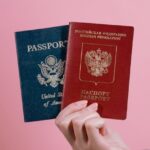
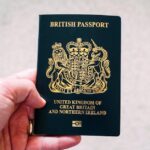
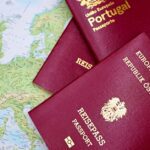
In a world increasingly interconnected by technology, travel, and migration, identity has become less a singular thread and more a vibrant mosaic—each piece representing a different culture, language, and experience. Multi-nationality, once a rarity, now shapes the lives of millions who navigate the complexities of belonging to multiple nations simultaneously. Understanding this layered existence requires us to look beyond borders and citizenship certificates, to explore the nuanced ways in which individuals embrace, blend, and sometimes contest their diverse affiliations. This article delves into the mosaic of identity in the modern era, unraveling what it means to be multi-national today—both the challenges it poses and the richness it offers.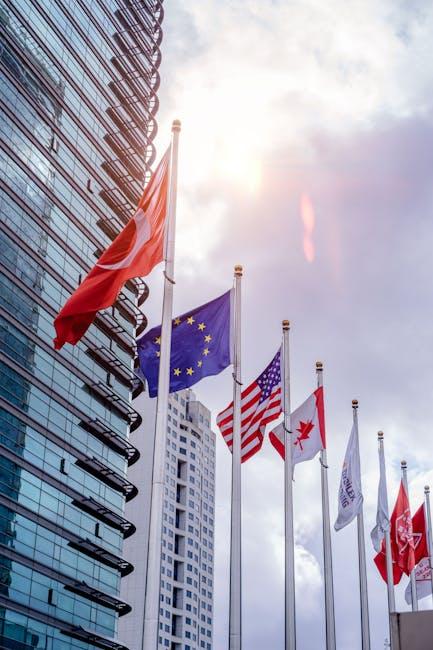
The Evolution of Multi-National Identity in a Globalized World
In today’s interconnected landscape, the concept of identity has transcended traditional national boundaries, weaving together a rich tapestry of cultural narratives. Individuals increasingly navigate a complex intersection of heritage, language, and social norms, crafting identities that are fluid and multifaceted. This evolution is not merely a byproduct of geographical mobility but a reflection of a dynamic world where digital communication, transnational communities, and shared experiences redefine what it means to belong. The borders of identity are no longer fixed lines, but instead, they ebb and flow with the rhythms of global interaction.
Understanding this transformation requires an appreciation of the diverse elements that shape multi-national identity. Factors such as cultural retention, legal frameworks, and social acceptance play pivotal roles in how individuals perceive themselves and others. Consider the following dimensions that influence this evolution:
- Cultural Hybridity: The blending of traditions and customs from multiple nations cultivates new forms of expression.
- Legal Pluralism: Recognition of citizenship in more than one country offers both opportunities and challenges.
- Social Networks: Global diasporas and digital platforms foster a sense of belonging beyond borders.
| Aspect | Traditional Identity | Multi-National Identity |
|---|---|---|
| Sense of Belonging | Fixed to one nation | Dynamic and multiple affiliations |
| Language | Single dominant language | Multilingual competence |
| Legal Status | Single citizenship | Dual or multiple citizenships |
| Cultural Practices | Homogeneous traditions | Hybrid and evolving customs |
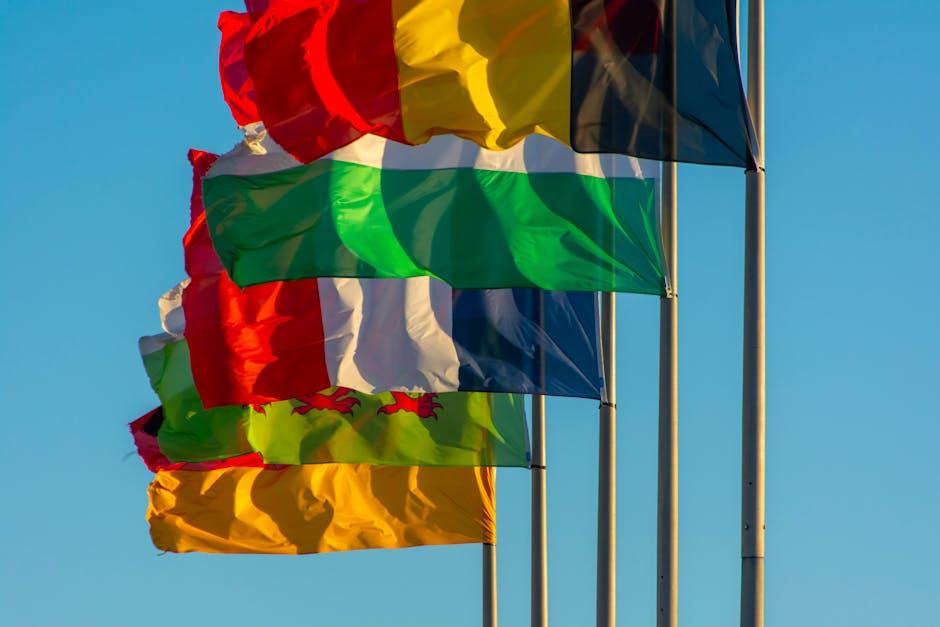
Cultural Intersections and the Personal Experience of Belonging
In the vibrant dance of cultures coexisting within an individual, there lies a profound sense of duality and fluidity. This experience transcends the simple act of belonging to one nation; it becomes an evolving narrative shaped by language, traditions, and values that intermingle seamlessly. The personal journey of embracing multiple cultural identities often involves navigating contrasting norms and celebrating shared humanity, where one’s roots expand outward and intertwine rather than compete. Every festival celebrated, every phrase spoken in a different tongue, and every culinary tradition savored contribute to crafting a unique mosaic of self.
At the heart of this experience are both challenges and enrichments, shaping how identity is understood and expressed. Consider the emotional resonance found within:
- Family stories that weave together multiple histories and memories
- Community rituals that offer continuity and belonging across borders
- Personal reflections on what it means to feel at home, sometimes in many places at once
| Aspect | Emotional Experience | Cultural Impact |
|---|---|---|
| Language | Connection & Complexity | Enriches expression, shapes thought |
| Traditions | Comfort & Continuity | Preserves heritage, invites innovation |
| Community | Support & Identity | Builds belonging, expands perspectives |
| Challenges | Conflict & Growth | Forges resilience, enhances empathy |
Legal Frameworks Shaping Multi-National Citizenship Rights
Across nations, the entanglement of citizenship laws forms a complex lattice that governs the rights and responsibilities of individuals holding multiple nationalities. This intricate web is guided by a series of international treaties, bilateral agreements, and national statutes that collectively determine how legal protections, voting rights, and access to public services are allocated. Dual and multiple citizenships challenge traditional notions of allegiance, often prompting countries to navigate conflicting duties and privileges with diplomacy and pragmatism. In many instances, these frameworks serve as both safeguards and gateways, ensuring that multi-national citizens can participate meaningfully in the civic life of each country they belong to.
Central to understanding these frameworks are the diverse approaches nations take towards citizenship acquisition and retention. Some countries emphasize jus sanguinis (right of blood), granting citizenship based on descent, while others rely on jus soli (right of the soil), offering citizenship to anyone born within their borders. Embedded within these laws are stipulations concerning:
- Naturalization requirements specific to multi-national applicants, such as residency duration or language proficiency.
- Renunciation clauses, which may require individuals to forfeit previous citizenships or allow dual status.
- Conflict resolution mechanisms to address legal disputes arising from overlapping obligations.
| Country | Citizenship Principle | Dual Citizenship Policy |
|---|---|---|
| Germany | Jus Sanguinis | Restricted, possible with EU countries |
| Canada | Jus Soli | Permitted without restrictions |
| Japan | Jus Sanguinis | Generally prohibited, requires renunciation |
Navigating Challenges and Opportunities in Multi-National Communities
Living within multi-national communities presents a complex blend of challenges and opportunities that redefine our sense of belonging. On one hand, cultural differences can lead to misunderstandings and communication barriers, making coexistence fraught with tensions. Navigating diverse traditions and customs requires patience and an open-minded approach, as assumptions rooted in a single cultural lens often fall short. Conversely, these differences act as catalysts for growth, enabling individuals to develop empathy and adaptability. The dynamic interactions within these spaces encourage the sharing of varied perspectives, which can spark innovative solutions to common problems.
Key factors that shape experiences in such communities include:
- Language diversity: Facilitates richer dialogues but demands extra effort for effective communication.
- Shared values: Build bridges and create a foundational sense of unity.
- Economic disparities: Can either foster cooperation or deepen divides if unaddressed.
| Challenge | Opportunity |
|---|---|
| Cultural misunderstandings | Cross-cultural learning |
| Language barriers | Multilingual proficiency |
| Social segregation risks | Inclusive community building |
By embracing these dualities with intention and respect, multi-national communities can transform from arenas of conflict into vibrant mosaics of human experience.
Strategies for Embracing and Celebrating Multi-National Identity
To cultivate a vibrant multi-national identity, it’s essential to actively engage with the different cultures that weave into your personal story. This can be achieved through immersive cultural experiences like festivals, culinary explorations, and language learning, which deepen appreciation and understanding. Equally important is building a community of diverse backgrounds to share stories, traditions, and values—a living mosaic where each piece retains its uniqueness while harmonizing with the whole.
Embracing such identity requires intentional reflection and balance. Creating a personal “cultural compass” helps navigate where traditions intersect or diverge, fostering pride without dilution. Consider the following strategies, which encourage openness and nurture identity with respect:
- Storytelling circles: Share family histories and experiences to preserve and bond across generations.
- Language bridges: Practice multilingualism actively to connect with different roots.
- Cross-cultural rituals: Blend customary celebrations to honor all heritages equally.
- Creative expression: Use art, music, and writing as mediums for exploring and affirming your layered identity.
The Way Forward
In the ever-shifting mosaic of our global landscape, multi-nationality emerges not as a paradox but as a vibrant testament to the fluidity of identity. Each facet—shaped by culture, language, experience, and heritage—interlocks to form a unique and evolving portrait of self. To understand multi-nationality today is to embrace complexity without losing sight of the individual stories that weave through it. As borders blur and connections deepen, the mosaic of identity invites us all to appreciate the intricate patterns that define who we are, both apart and together.