In an increasingly interconnected world, holding dual passports is more than just a symbol of multicultural identity—it’s a strategic asset unlocking a realm of possibilities. From seamless travel and expanded business opportunities to enhanced personal freedoms and security, the benefits of dual citizenship can significantly broaden your horizons. Yet, navigating the intricacies of managing two nationalities requires careful understanding and informed decision-making. This ultimate guide dives deep into the multifaceted advantages of dual passports, offering clarity and insight to help you make the most of this unique status in today’s global landscape. Whether you’re considering applying for a second nationality or already hold one, this comprehensive exploration will illuminate the path forward.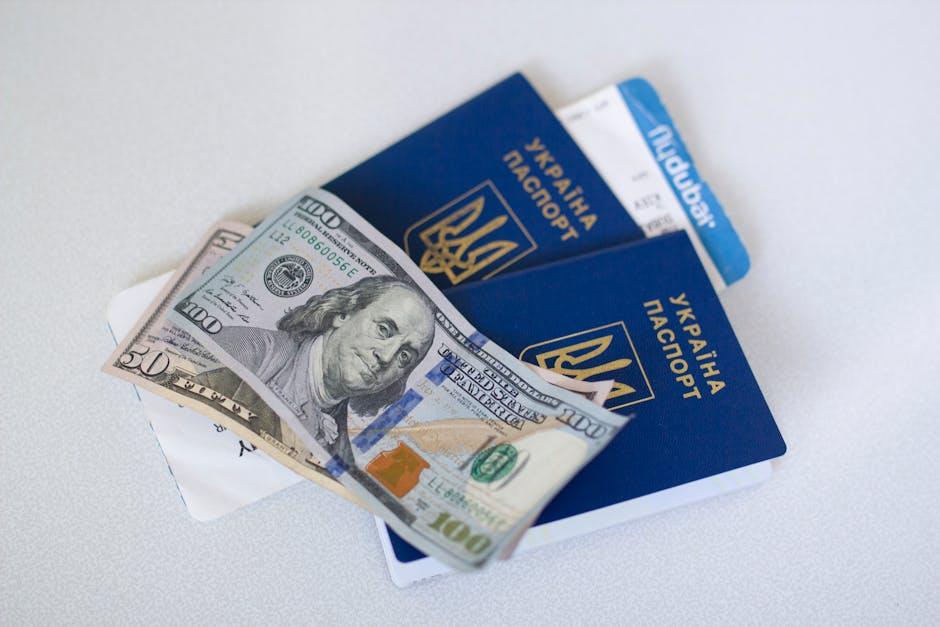
Understanding Eligibility and Application Processes for Dual Passports
Securing a dual passport isn’t merely about filling out forms; it involves understanding a matrix of eligibility criteria that vary significantly based on countries involved. Common qualifying factors typically include ancestry, birthright, marriage, or naturalization. Many nations allow citizenship through descent, meaning if your parents or grandparents hail from another country, you might already be eligible. Some countries offer expedited processes for spouses or those investing economically, while others mandate lengthy residency periods before an application can even be submitted.
The application journey often requires a strategic approach to documentation and deadlines. Key steps include collecting authentic proof of identity, birth certificates, marriage licenses, and sometimes background checks or tax records. Understanding the timelines and fees is crucial as they can vary widely. Below is a quick comparison of typical requirements for three popular dual citizenship paths:
| Pathway | Common Documents | Typical Processing Time | Notes |
|---|---|---|---|
| Descent | Birth certificates of applicant and ancestor | 3-12 months | May need to prove uninterrupted lineage |
| Marriage | Marriage certificate, residency proof | 6-18 months | Often requires a stable marriage period |
| Naturalization | Residency document, language tests | 1-5 years | Includes integration assessment |
Maximizing Travel Freedom and Visa Advantages
Owning dual passports opens up a world of unmatched travel flexibility. It enables you to bypass visa restrictions by choosing the passport that grants easier or visa-free access to your destination country. For frequent travelers, this translates to reduced waiting times at embassies and border controls, and the luxury of switching between passports to extend stays without raising red flags on your visa history.
Beyond convenience, strategic use of dual nationality can also unlock fascinating opportunities such as:
- Access to exclusive immigration programs that may not be available to single passport holders.
- Potential tax advantages depending on the countries’ treaties.
- Enhanced business travel options with tailored visa requirements and work permits.
| Passport | Visa-Free Countries | Typical Processing Time |
|---|---|---|
| Country A | 180+ | 3-5 days |
| Country B | 90+ | 2 weeks |
Leveraging Dual Citizenship for Financial and Tax Benefits
Holding dual citizenship opens the door to a variety of financial and tax planning opportunities that can be tailored to fit your unique lifestyle and goals. By strategically managing income streams and assets across multiple jurisdictions, you could optimize tax liabilities and increase your wealth’s growth potential. For instance, some countries offer tax exemptions on foreign income or reduced capital gains tax rates for residents, allowing dual citizens to legally minimize their overall tax burden. Additionally, the ability to choose which country to establish residency in can provide access to more favorable banking systems, investment opportunities, and retirement benefits.
However, leveraging these advantages requires a clear understanding of international tax treaties, reporting requirements, and compliance regulations to avoid pitfalls such as double taxation or unintended tax liabilities. Here are key considerations for maximizing your benefits:
- Identify tax treaties: Determine if your countries of citizenship have treaties that prevent double taxation and how these affect your earnings.
- Residency status: Maintain proper documentation of your tax residency to ensure compliance with both countries’ laws.
- Investment diversification: Utilize access to multiple financial markets for a diversified portfolio with potential tax advantages.
- Estate planning: Use dual citizenship to create flexible inheritance strategies that can minimize estate taxes.
| Benefit | Example Scenario | Potential Impact |
|---|---|---|
| Tax Treaties | US and UK prevent double taxation | Reduce overall tax payment on foreign income |
| Capital Gains | Investment in tax-friendly countries | Lower capital gains tax rates, retaining more profits |
| Retirement Benefits | Access to pension plans in both countries | Enhanced retirement income streams |
| Banking Choices | International accounts with preferential rates | Optimized currency management and savings growth |
Navigating Legal Obligations and Residency Requirements
Understanding the legal landscape associated with holding dual passports is crucial for avoiding complications. Each country involved may have different requirements regarding taxation, military service, and reporting obligations. Failure to adhere to these laws can result in penalties or loss of one’s nationality. It’s essential to research the specific rules applicable to both countries and consult legal experts if needed. By proactively navigating these obligations, dual citizens can safeguard their rights and enjoy the benefits stress-free.
Residency requirements also play a significant role in maintaining dual nationality. Some countries impose strict residency periods to retain passport validity or citizenship status; others tie benefits such as voting rights or social services to physical presence. Below is a quick comparison of typical residency mandates for dual nationals:
| Country | Annual Residency Requirement | Notes |
|---|---|---|
| Country A | 6 months | Maintains voting rights with minimum visits |
| Country B | None | No residency needed to keep passport |
| Country C | 1 year | Required for renewal and benefits |
Key actions for dual passport holders include:
- Regularly reviewing legal updates from both countries
- Keeping detailed records of residency periods and official interactions
- Seeking professional guidance for tax and immigration compliance
Strategic Tips for Maintaining and Renewing Dual Passports
Efficient management of dual passports hinges on preemptive planning and organization. Always keep track of expiration dates and renewal requirements for each passport—delays or lapses can result in travel disruptions or legal complications. Consider setting digital reminders and maintaining a dedicated file with essential documents, such as passport copies, visa stamps, and application receipts. Staying informed about changes in the passport laws of both countries involved is crucial, as policies may evolve. Moreover, leveraging the unique validity periods and renewal processes of each passport can maximize your travel flexibility.
Here are some practical tactics to streamline passport management:
- Renew passports well in advance, ideally 6 months before expiration.
- Utilize online services for application submission and tracking.
- Maintain updated emergency contact information with the consulates of both countries.
- Be aware of any travel restrictions or visa changes that affect dual nationals.
| Task | Timing | Tip |
|---|---|---|
| Check expiration dates | Every 3 months | Use calendar alerts |
| Submit renewal application | 6 months before expiry | Consider postal or online options |
| Update emergency contacts | Annually | Contact respective embassies |
| Stay informed on passport laws | Bi-annually | Subscribe to official newsletters |
Key Takeaways
As you embark on your journey with dual passports in hand, remember that this unique privilege is more than just a travel convenience—it’s a gateway to expanded opportunities, deeper cultural connections, and enhanced personal freedom. Navigating the benefits may seem complex, but with informed choices and thoughtful planning, you can unlock a world where borders are not barriers but bridges. Whether for work, leisure, or legacy, your dual citizenship holds the key to a richer, more flexible future. Embrace it wisely, and the possibilities will be as boundless as the horizons you explore.