In an increasingly interconnected world, the concept of identity has stretched beyond borders, giving rise to the phenomenon of triple citizenship. More than a bureaucratic status or a legal label, holding three nationalities can weave together diverse cultural narratives, complex loyalties, and a mosaic of rights—and challenges—that shape an individual’s place in the world. This article embarks on a journey through the intricate landscape of triple citizenship, exploring how it influences personal identity, the array of rights it affords, and the unique obstacles it presents in today’s global society. Whether embraced as a symbol of belonging or navigated as a legal labyrinth, triple citizenship stands at the crossroads of modern identity and sovereignty.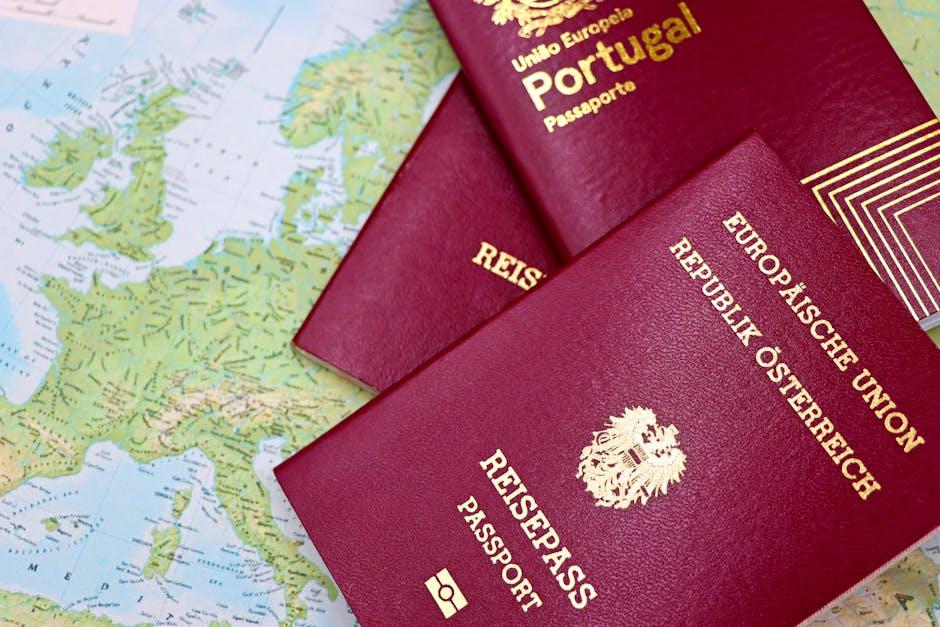
Understanding the Legal Landscape of Triple Citizenship
In the intricate world of citizenship laws, holding triple citizenship introduces a multifaceted legal landscape that requires careful navigation. Unlike single or dual citizenship, the rules governing three national allegiances can be complex, often hinging on how each country recognizes multiple nationalities. Certain nations may permit triple citizenship outright, while others impose restrictions, sometimes requiring the renunciation of previous citizenships upon acquiring a new one. This variability means that every situation is unique and must be understood in the light of each country’s legal framework and international treaties. Key aspects to consider include:
- Residency requirements and voting rights across the three countries
- Tax obligations and fiscal responsibilities internationally
- Military service duties and legal protections abroad
- Potential conflicts in legal systems and jurisdiction authority
To illustrate, here is a simplified comparison of common legal conditions found among countries permitting triple citizenship:
| Country | Allows Triple Citizenship | Renunciation Required | Dual Tax Agreements |
|---|---|---|---|
| Country A | Yes | No | Yes |
| Country B | Yes | Yes | No |
| Country C | No | – | Yes |
Navigating these legal nuances requires consulting immigration experts, as the ramifications impact one’s rights, benefits, and even long-term identity recognition. Understanding the intricacies ensures that triple citizens can fully harness their legal rights while remaining compliant with international laws.
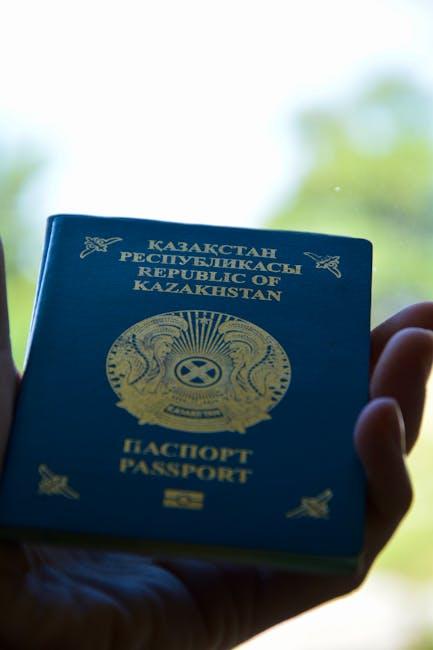
Balancing Multiple Identities in a Globalized World
Wearing multiple cultural hats offers a rich tapestry of perspectives but can also foster an internal cacophony of values and loyalties. The interplay between these varying identities often requires ongoing negotiation, as individuals strive to honor the traditions of each nation while crafting a cohesive sense of self. This balancing act is deeply personal yet influenced by external forces such as societal expectations, legal frameworks, and geopolitical climates. The challenge lies not only in merging diverse worldviews but also in confronting moments when the interests of one citizenship may conflict with another.
Practical considerations further complicate this intricate dance. From navigating the bureaucratic maze of varying rights and responsibilities to understanding the implications for travel, taxation, and civic duties, triple citizens must become adept multitaskers. The following table outlines some of the typical challenges encountered, along with potential coping strategies:
| Challenge | Explanation | Possible Strategy |
|---|---|---|
| Legal Conflicts | Contradictory laws among countries | Consult legal experts familiar with multi-jurisdictional issues |
| Taxation Complexity | Overlapping tax obligations in multiple states | Use international tax treaties to avoid double taxation |
| Identity Fragmentation | Feeling disconnected from one or more cultures | Engage with community groups and cultural activities |
| Travel Restrictions | Varied visa and entry requirements | Maintain up-to-date knowledge of each country’s travel policies |
- Embracing hybridity: Viewing cultural fluidity as an asset rather than a burden.
- Building support networks: Connecting with fellow triple citizens to share insights and resources.
- Continuous learning: Staying informed about changes in laws and social norms in all home countries.
Rights and Responsibilities Across Three Nations
Holding citizenship in three different countries presents a unique tapestry of rights and legal obligations. While it may feel like a passport to freedom, it also comes with navigating complex layers of responsibility—each nation expects loyalty, taxes, and sometimes even military service. Triple citizens must balance:
- Voting and political participation rights in each country
- Compliance with tax laws, which can overlap or conflict
- Understanding residency and employment restrictions
Moreover, being recognized as a citizen in three jurisdictions does not always guarantee equal access to social services or legal protections. Diplomatic considerations can complicate situations such as arrests or consular assistance. The table below offers a glimpse at how rights and responsibilities may differ across three hypothetical countries for a triple citizen.
| Country | Voting Rights | Taxation | Military Service |
|---|---|---|---|
| Country A | Full voting rights | Worldwide income taxed | Mandatory service |
| Country B | Restricted voting (local elections only) | Tax on local income only | Voluntary service |
| Country C | No voting allowed for expatriates | No taxation if living abroad | No military obligation |
Common Challenges and How to Overcome Them
One of the most significant hurdles for individuals holding triple citizenship is the complexity of legal obligations and varying national laws. Each country may require different tax filings, military service commitments, or residency stipulations, which can easily lead to unintended legal repercussions. To navigate these issues, it is crucial to stay informed and consult with legal experts who specialize in international law. Additionally, keeping organized records and using digital tools to track deadlines and requirements can drastically reduce the risk of non-compliance. Understanding the nuances behind conflicting laws, such as which state considers you a resident for tax purposes, is essential in gaining peace of mind and protecting your rights.
Beyond legal intricacies, emotional and social conflicts often arise, as juggling three cultural identities can lead to feelings of isolation or confusion. Building a strong support network that embraces multiculturalism can help mitigate this challenge. Aligning with community groups, online forums, and language classes fosters a sense of belonging and identity coherence. Moreover, openly communicating with family and friends about your unique situation creates empathy and understanding. Here’s a quick glance at common challenges and practical solutions:
| Challenge | Practical Solution |
|---|---|
| Conflicting Legal Duties | Engage cross-border legal advisors and automate reminders for deadlines |
| Cultural Identity Struggle | Participate in multicultural communities and maintain open communication |
| Travel Restrictions | Research visa requirements thoroughly and apply for multi-entry visas early |
| Tax Complexities | Hire international tax consultants and keep detailed financial records |
Practical Tips for Managing Triple Citizenship Effectively
Maintaining clarity between the different legal, social, and financial responsibilities tied to each citizenship is crucial. Start by keeping an updated folder—either digitally or physically—that contains your passports, visas, tax documents, and rights associated with each nationality. Establish routines to review expiration dates and requirements for each country’s residency laws, taxes, and voting obligations. Leveraging tools like calendar reminders can prevent inadvertent lapses in renewals or compliance, smoothing out potential complications. Consistency in organization reduces the stress that comes with juggling multiple identities.
Equipping yourself with reliable sources of information specific to each citizenship is equally important. Consider setting up connections with embassies, legal advisors, or community groups who specialize in the intricacies of citizenship rights and responsibilities. Below is a simple comparison table to help you prioritize important matters across your citizenships:
| Aspect | Country A | Country B | Country C |
|---|---|---|---|
| Passport Renewal | Every 10 years | Every 5 years | Every 7 years |
| Tax Filing Deadline | April 15 | March 31 | June 30 |
| Voting Eligibility | Resident Required | Non-resident Allowed | Resident Required |
- Keep communication open with local authorities to stay informed about legislative changes.
- Stay culturally engaged to strengthen your connection and understanding of each nationality.
- Consult professionals for complex issues like taxation or inheritance laws that vary widely.
The Conclusion
As the world continues to shrink and borders blur, triple citizenship emerges as a complex tapestry of identity, rights, and challenges. It offers a unique lens through which individuals can explore belonging across multiple cultures while navigating legal landscapes that are often as intricate as the identities they embody. Embracing triple citizenship means embracing both opportunity and responsibility, a delicate balancing act that redefines the traditional notions of nationhood. In this evolving reality, understanding the nuances behind the triple-fold passport is not just a matter of law—it’s a journey into the heart of what it means to be truly global.