In an increasingly interconnected world, the concept of citizenship is evolving beyond traditional borders and singular identities. Enter the era of triple citizenship—a unique and complex status that allows individuals to hold three passports simultaneously. This multifaceted form of affiliation offers unparalleled mobility, opportunities, and challenges, enabling global citizens to navigate cultures, economies, and legal systems with a rare degree of freedom. Yet, beneath the surface of convenience lies a nuanced landscape of responsibilities and regulations. This article explores the intricacies of triple citizenship, shedding light on how those fortunate enough to carry three passports embrace the possibilities—and dilemmas—of living multiple lives across the globe.
Understanding the Legal Complexities of Triple Citizenship
Holding three passports simultaneously can unlock a world of opportunities, yet it also plunges individuals into a labyrinth of legal intricacies. Each country imposes distinct regulations on citizenship acquisition, retention, and renunciation. Navigating this terrain requires understanding not only the laws of each nation but also how these laws intersect. For instance, while one country may permit dual or multiple citizenships freely, another might require citizens to relinquish their previous nationality before naturalizing. Conflicts can emerge around issues such as military service obligations, taxation, and diplomatic protection, potentially placing triple citizens in precarious legal positions.
To illustrate the delicate balance triple citizens must maintain, consider the following core challenges:
- Taxation regimes: Some countries tax based on residency, others on citizenship, complicating income declarations.
- Legal responsibilities: Multiple allegiances may demand military service or civic duties in more than one nation.
- Travel constraints: Visa-free entry for one passport may be offset by restrictions on another, influencing mobility.
| Country | Dual Citizenship Policy | Military Service | Taxation Basis |
|---|---|---|---|
| Country A | Allowed | Compulsory for males aged 18-25 | Residency-based |
| Country B | Not Allowed | None | Citizenship-based |
| Country C | Allowed with restrictions | Voluntary | Mixed system |
Maximizing Travel Benefits and Global Mobility
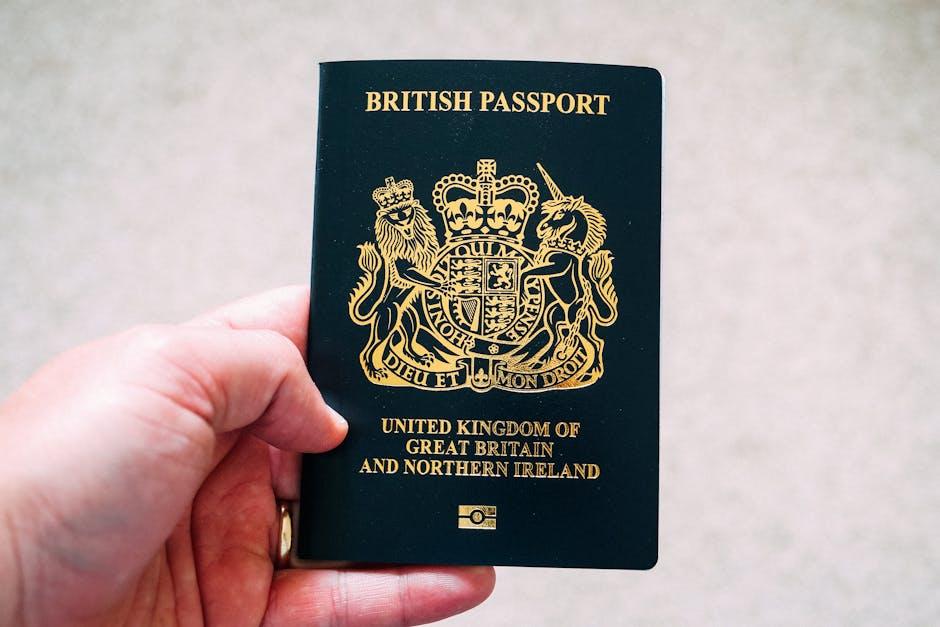
Holding three passports unlocks a world of possibilities by offering unparalleled flexibility in travel and residency options. With access to multiple visa-free or visa-on-arrival destinations, you can bypass long lines and cumbersome paperwork, making international exploration smooth and spontaneous. Additionally, leveraging different passports may help you navigate geopolitical restrictions, enabling entry to countries where one nationality might face limitations but another passport is welcomed without hesitation.
Beyond convenience, triple citizenship amplifies your global mobility by providing strategic advantages such as:
- Optimized travel routes tailored to ease connections and reduce layover times
- Enhanced business opportunities by readily opening doors to countries with partnerships or preferential treatment
- Access to social services and benefits in multiple jurisdictions, depending on your chosen location
| Passport Benefit | Example |
|---|---|
| Visa-Free Countries | Over 150 combined destinations |
| Emergency Assistance | Multiple consular supports worldwide |
| Work Permits | Simplified entry in key economic regions |
Balancing Tax Obligations Across Multiple Countries
Managing financial responsibilities when holding triple citizenship requires a nuanced understanding of international tax laws. Each country has its own set of rules regarding income reporting, tax treaties, and residency criteria, which can sometimes overlap or conflict. Engaging with professional tax advisors familiar with multi-jurisdictional issues becomes essential to avoid double taxation and to harness legitimate tax benefits. Knowing when and how to file forms like the Foreign Account Tax Compliance Act (FATCA) declarations or Common Reporting Standard (CRS) disclosures can save both headaches and penalties.
Strategic planning often involves evaluating residency status, assessing tax treaty provisions, and keeping precise records of income sources and durations spent in each country. Here’s a concise look at key factors to consider:
- Tax Residency Rules: Determine if you are a tax resident or a non-resident in each country for proper filing.
- Income Sourcing: Identify where income is earned to understand taxable jurisdictions.
- Treaty Benefits: Utilize bilateral tax agreements to avoid double taxation.
- Reporting Requirements: Comply with mandatory disclosures like foreign bank accounts.
| Citizenship Country | Tax Residency Test | Key Reporting Forms | Common Tax Treaty |
|---|---|---|---|
| Country A | 183-day rule | Form 1234 | Treaty with Country B |
| Country B | Permanent home test | Form 5678 | Treaty with Country A |
| Country C | Center of vital interests | Form 9101 | Treaty with Country A & B |
Protecting Your Rights and Accessing Consular Support
Holding three passports opens a world of opportunity, but it also requires vigilance in protecting your rights abroad. Each nation may have different rules and protocols for consular support, so it’s crucial to understand where you can turn for help in case of emergencies. Knowing the consular services offered by each country—such as legal assistance, emergency travel documents, or evacuation support—can mean the difference between swift resolution and frustrating delays. Always keep a digital and physical copy of your passports and emergency contact information, and register with the embassy or consulate when traveling to unfamiliar destinations.
When navigating consular support, consider the advantages of your triple citizenship carefully. Some assistance can only be provided by your foreign passport’s country of origin, while in certain situations, dual or triple nationality can complicate how governments assist you. Use this quick reference table to identify where you might seek help depending on your citizenship and the location of your travel:
| Travel Location | Primary Consular Support | Backup Assistance Options |
|---|---|---|
| Country A | Country A Embassy | Country B or C Consulate |
| Country B | Country B Consulate | Country A Embassy |
| Country C | Country C Embassy | Country B Consulate |
- Stay informed of each country’s entry/exit requirements and legal rights.
- Register with embassies while traveling to ensure easy access in a crisis.
- Leverage your citizenships when seeking aid or navigating bureaucracy abroad.
Practical Tips for Managing Multiple Passports and Identities
Effectively juggling three passports requires careful organization and awareness of each country’s regulations. Start by creating a dedicated travel folder—either physical or digital—that holds essential documents like visas, ID cards, and entry stamps. Regularly update this folder before any trip to avoid last-minute scrambles. A mobile app designed for multi-passport holders can also prove invaluable, helping you track renewal dates and entry requirements. Remember, each passport comes with its own set of obligations: some may require periodic renewals, while others might mandate reporting residency changes.
Customs and immigration checkpoints often appreciate transparency. When entering or exiting countries where you hold citizenship, clearly present the relevant passport to avoid confusion or suspicions. Consider these practical tips:
- Always check visa-free access lists for each passport, maximizing travel convenience.
- Maintain personal records of travel history to quickly resolve any discrepancies at borders.
- Respect cultural and legal differences associated with each citizenship to stay compliant worldwide.
| Passport | Renewal Frequency | Visa Requirement Notes |
|---|---|---|
| Country A | Every 10 years | Visa-free to 120 countries |
| Country B | Every 5 years | Visa required for most Asian countries |
| Country C | Every 7 years | Easy access to EU Schengen zone |
The Conclusion
In a world growing ever more connected, holding triple citizenship is like mastering a rare passport dance—each step opens doors to different cultures, opportunities, and legal landscapes. While juggling three identities may seem complex, it also offers a unique vantage point from which to explore global citizenship with richness and nuance. Navigating the waters of triple nationality requires thoughtful planning and awareness, but for those who embrace it, this multifaceted status can transform the world into a truly accessible home. As borders and identities continue to evolve, triple citizenship stands as a testament to the increasingly fluid nature of belonging in the 21st century.