In a world increasingly connected yet distinctly divided by borders, holding two passports is more than just a convenience—it’s a subtle art of navigating identity, opportunity, and belonging. Dual nationality opens doors to a mosaic of possibilities, blending the privileges and responsibilities of different cultures into a single life experience. But with these advantages come complex choices and challenges. This article explores the nuanced journey of living with two passports, uncovering how embracing dual nationality can enrich livelihoods while demanding mindful navigation through legal, social, and personal landscapes.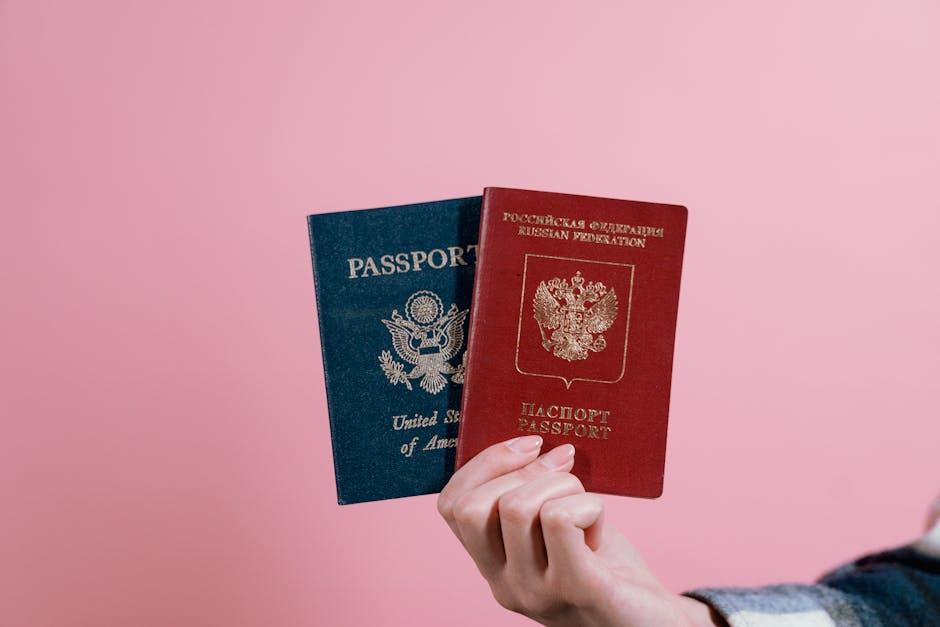
Understanding the Legal Landscape of Dual Nationality
Juggling two nationalities means navigating an intricate web of legal frameworks, each with its own rules, responsibilities, and benefits. Dual nationality isn’t a one-size-fits-all status; it’s shaped by the laws of each country involved, which can affect everything from taxation and military service to voting rights and passport validity. Some countries embrace dual citizenship openly, while others impose strict limitations or even require renunciation of previous citizenships. Understanding these nuances is crucial to avoid potential conflicts or legal complications down the road.
To better grasp this complexity, consider the following legal factors that often come into play:
- Recognition Policies: Does the country officially allow dual nationality, or does it require single allegiance?
- Tax Obligations: Will having two passports mean double tax filing or paying taxes on global income?
- Consular Protection: Which embassy can you turn to in emergencies if you’re in a third country?
| Country | Dual Citizenship Allowed | Key Legal Note |
|---|---|---|
| Canada | Yes | Permits multiple citizenships without restriction |
| Japan | No | Mandates choice by age 22 |
| Germany | Limited | Allowed mainly in EU countries |
Maximizing Travel Freedom with Two Passports
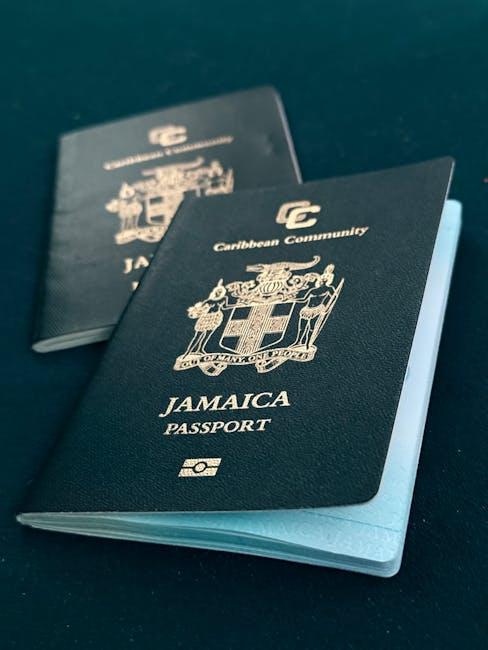
Owning dual passports opens doors to a world of unparalleled flexibility, allowing you to maneuver through international borders with ease. Not only do two passports broaden your access to countries with diverse visa policies, but they also serve as your personal key to bypass travel restrictions and lengthy visa queues that single citizenship holders often face. Imagine flying from Europe to Asia with one passport that grants you quick visa-free entry, and switching to your second passport to explore parts of the Americas without the hassle of applying for a visa months in advance. This strategic advantage can transform complex travel into seamless adventure.
Beyond convenience, dual nationality provides the freedom to choose your residency and work rights depending on your personal or professional needs. Whether business opportunities arise in a country you hold citizenship in, or you seek educational pursuits, having two passports means you can capitalize on economic, cultural, and social benefits with fewer barriers. This translates to:
- Access to government services and healthcare in multiple countries
- Opportunities to establish businesses with local credibility
- Enhanced ability to live, study, and work in numerous regions
| Passport Feature | Single Passport | Dual Passports |
|---|---|---|
| Visa-Free Countries | 40-70 | 100+ |
| Work Rights | Limited | Multiple Countries |
| Emergency Options | Single Point | Multiple Consular Supports |
Financial Advantages and Tax Considerations for Dual Citizens
Holding dual citizenship often opens doors to unique financial advantages that single nationality cannot offer. From access to diverse banking systems and investment opportunities to the potential for owning property in multiple countries, dual citizens can strategically enhance their wealth portfolio. Additionally, many nations provide exclusive financial incentives, such as grants, discounts, and entrepreneurial support designed specifically for their citizens, which dual nationals can tap into on separate shores. This multiplicity of options allows for optimized financial planning and diversified asset management.
However, with these benefits come important tax considerations that require careful navigation. Dual citizens may find themselves responsible for tax filings in more than one jurisdiction, each with different rules and deadlines. Understanding tax treaties between countries is crucial to prevent double taxation. Below is a simple comparison highlighting the common tax obligations dual nationals should be aware of:
| Tax Aspect | Country A | Country B |
|---|---|---|
| Residence-Based Taxation | Yes | Yes |
| Citizenship-Based Taxation | Yes | No |
| Tax Treaty Presence | No | Yes |
| Foreign Income Reporting | Required | Varies |
Consulting with a tax professional who understands the interplay of both countries’ tax systems is often a wise investment. By strategically managing their tax liabilities, dual citizens can fully capitalize on the financial edge their unique status provides, ensuring peace of mind and compliance.
Building Cross-Cultural Connections and Opportunities
Embracing dual nationality opens a vibrant tapestry of cultural experiences and global perspectives that enrich personal growth and professional networks. Holding two passports is not just a legal status; it becomes a bridge between distinct worlds, fostering a deeper understanding of diverse customs, languages, and traditions. This unique position empowers individuals to effortlessly engage with different communities, building authentic relationships that transcend borders and stereotypes. In doing so, dual nationals often become natural ambassadors, nurturing mutual respect and collaboration across nations.
Beyond cultural enrichment, this dual identity unlocks a wealth of tangible opportunities. Whether it’s access to exclusive job markets, educational systems, or social welfare programs, benefits vary widely but consistently enhance quality of life. Consider these advantages:
- Expanded employment horizons: Work in multiple countries without restrictive visas.
- Cross-border business ventures: Establish companies with ease in both nations.
- Educational access: Enroll in top universities as a domestic student.
- Travel freedom: Skip visa queues and explore more destinations.
| Benefit | Country A | Country B |
|---|---|---|
| Healthcare Access | Comprehensive public coverage | Private & public hybrid system |
| Voting Rights | National & local elections | National elections only |
| Property Ownership | No restrictions | Restrictions in some regions |
Practical Tips for Managing Dual Citizenship Responsibilities
Balancing the legal and cultural obligations of two countries can feel like walking a tightrope, but strategic organization is your safety net. Start by maintaining an updated calendar that marks important dates such as tax filing deadlines, renewal periods for travel documents, and national holidays to honor. Setting reminders well in advance allows you to prepare effectively and avoid last-minute surprises that could complicate your responsibilities. Equally important is establishing a reliable network of contacts—including legal advisors and consular offices—who can provide tailored guidance when your dual status presents complex scenarios.
To streamline your dual citizenship life, use the following checklist to keep track of critical tasks:
- Tax obligations: Understand differences in filing requirements and seek professional advice to optimize compliance.
- Consular registrations: Keep your records current with both countries’ embassies for access to services and emergency support.
- Documentation: Plan ahead for visa arrangements, especially when traveling between your two countries or third-party nations.
- Cultural participation: Engage with local communities to maintain a balanced sense of identity and heritage.
| Responsibility | Frequency | Recommended Tool |
|---|---|---|
| Passport Renewal | Every 5–10 Years | Digital Calendar Alert |
| Tax Filing | Annually | Professional Accountant |
| Consular Registration | Every 2 Years | Embassy Website |
| Community Events | Monthly/Seasonal | Local Cultural Groups |
The Way Forward
In the intricate dance of identity and opportunity, holding two passports is more than a legal status—it’s a bridge between worlds, a gateway to choices that enrich one’s personal and professional life. Navigating dual nationality is a journey of embracing complexity, balancing privileges, and understanding responsibilities. As the global landscape continues to evolve, those who carry multiple flags do so not just with documents in hand, but with a unique perspective that transcends borders. Two passports may map out different origins, but together, they chart a singular, multifaceted life.