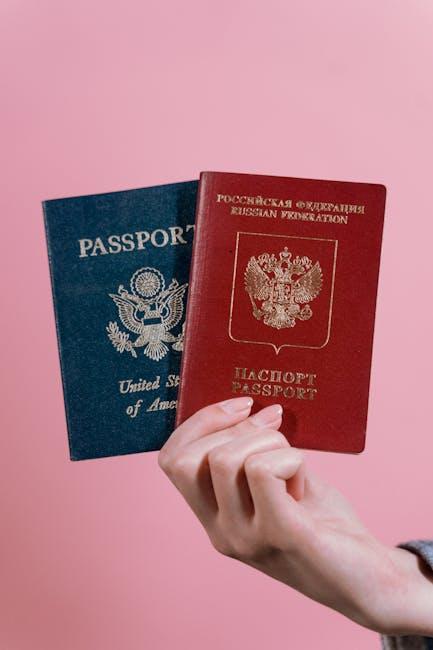
In a world increasingly defined by movement and connection, the concept of identity has evolved beyond borders. For millions, holding dual nationality is no longer an exception but a lived reality—a delicate balancing act between two cultures, two allegiances, two homes. “Two Worlds, One Identity: Navigating Dual Nationality Today” explores the nuanced experience of those who carry multiple passports and multiple stories within themselves. It is a journey into the complexities, challenges, and unique opportunities that arise when a single individual belongs to more than one nation, revealing how identity can be both multifaceted and unified in an ever-shifting global landscape.
Understanding Dual Nationality in a Globalized Era
In today’s interconnected world, the concept of holding dual nationality is no longer an anomaly but a reflection of our increasingly fluid identities. As borders become more permeable through travel, communication, and migration, individuals find themselves woven into multiple cultural fabrics simultaneously. This unique position offers the chance to engage with diverse legal systems, social norms, and career opportunities—often leading to a richer, more complex sense of self. However, it also presents challenges, from navigating conflicting obligations to managing bureaucratic intricacies that come with belonging to two nations.
Understanding the practicalities and emotional dimensions of dual nationality requires looking beyond legalities to the lived experiences it fosters. Here are some essential aspects to consider:
- Legal Rights and Responsibilities: Voting rights, taxation, and military service obligations can vary dramatically between countries.
- Cultural Integration: The balance between preserving heritage and adapting to new social contexts shapes identity formation.
- Travel and Residency: Dual nationality can simplify international mobility but may also impose visa complications depending on diplomatic relations.
| Aspect | Potential Benefit | Possible Challenge |
|---|---|---|
| Legal Protection | Access to consular assistance from two nations | Conflicting laws and dual taxation |
| Emotional Identity | Sense of belonging to multiple communities | Cultural identity conflicts or dual loyalties |
| Mobility | Easier travel and work opportunities | Restrictions due to political tensions |
Balancing Cultural Heritage with Modern Identity
Embracing dual nationality means weaving together rich cultural tapestries without unraveling the threads of one’s personal evolution. It’s a delicate dance between honoring traditions passed down through generations and carving out a contemporary self that resonates with today’s global landscape. Individuals often find themselves at crossroads where time-honored customs intersect with modern values, sparking a unique fusion that challenges, enriches, and ultimately defines their identity.
This blend isn’t just personal; it shapes community dynamics and social perceptions. Dual nationals often navigate:
- Language nuances that shift between heritage dialects and modern slang.
- Celebrations that merge traditional rituals with contemporary festivities.
- Social responsibilities balancing respect for ancestral expectations and individual aspirations.
The synergy between these cultures creates a powerful narrative—a living bridge that connects history with innovation, offering a fresh lens to view identity in an increasingly interconnected world.
| Aspect | Heritage Influence | Modern Identity |
|---|---|---|
| Language | Formal, traditional | Dynamic, evolving |
| Values | Community-centric | Individual empowerment |
| Celebrations | Historically rooted | Inclusive and innovative |
Legal Complexities and Rights Across Borders
Holding two passports often feels like a superpower, but beneath the surface lies a maze of legal intricacies that can challenge even the most savvy dual nationals. Jurisdictional conflicts, tax obligations, and compulsory military service are just a few hurdles that demand careful navigation. For example, some countries do not recognize dual nationality at all, potentially stripping rights or enforcing exclusive allegiance that complicates diplomatic protection and legal recourse abroad. Understanding which nation’s laws take precedence in civil matters like inheritance, marriage, or taxation requires meticulous attention and, occasionally, expert legal counsel.
The rights granted by dual nationality can also be a patchwork, differing not only between countries but sometimes even within regions of the same country. Below is a quick comparison of common dual citizenship legal considerations, illustrating potential disparities:
| Legal Aspect | Country A | Country B |
|---|---|---|
| Military Service | Mandatory until age 25 | Voluntary |
| Voting Rights | Allowed in all elections | Local elections only |
| Taxation | Taxed on worldwide income | Taxed only on local income |
Ultimately, dual nationality is a balancing act between embracing multiple identities and understanding the layered legal frameworks that govern them. Armed with knowledge and strategic planning, individuals can protect their rights and minimize conflicts, turning a complex situation into a unique advantage.
Embracing Opportunities while Managing Challenges
Balancing two passports comes with a unique set of advantages that can open doors across borders. Dual nationality often grants individuals access to broader educational opportunities, diverse career paths, and cultural enrichment that single nationality might not offer. This dual access can foster a sense of global citizenship, empowering people to engage in international networks and contribute meaningfully to multiple societies. Yet, the privilege of holding two allegiances also requires navigating complex legal landscapes—involving tax obligations, voting rights, and even mandatory military service in some countries.
Understanding and managing these responsibilities demands vigilance and proactive planning. Maintaining compliance with two governments’ regulations can sometimes present challenges, especially when policies shift or conflict. To aid in this, here’s a quick reference overview of some common considerations:
| Aspect | Common Challenge | Possible Solution |
|---|---|---|
| Taxation | Double taxation or unclear obligations | Consult international tax treaties and specialists |
| Military Service | Compulsory conscription in either country | Research exemptions or apply for deferment |
| Legal Rights | Divergent laws affecting citizenship status | Stay updated with embassies and legal advisors |
| Travel Freedom | Varying visa requirements | Utilize the passport with the most favorable access |
Adopting a mindful approach to dual nationality turns potential hurdles into stepping stones, transforming complexity into empowerment. By understanding both the privileges and obligations, individuals can fully embrace this multifaceted identity and thrive in an increasingly interconnected world.
Practical Strategies for Thriving as a Dual National
Embracing your dual nationality means mastering the art of balancing distinct cultural norms and legal systems with grace and awareness. One essential approach is cultivating cultural literacy—actively learning about both nations’ traditions, values, and social nuances. This knowledge doesn’t just enrich identity; it fosters empathy, helping you navigate social situations smoothly and establishing deeper connections. Additionally, staying informed on the constitutional rights and responsibilities in each country is key. This awareness ensures you remain compliant with laws related to taxation, voting, and residency requirements, minimizing risks of inadvertent legal slips.
Effective communication is another cornerstone. Developing a network that includes peers, mentors, or groups tailored to dual nationals offers invaluable support and shared experiences. Consider maintaining dual documentation meticulously—such as passports, visas, and identification cards—organized in a dedicated system to avoid confusion during travel or official matters. Here’s a quick checklist to help stay organized and proactive:
- Renew documents ahead of expiry dates to prevent last-minute hassles
- Track tax obligations and filing deadlines in both countries
- Engage with cultural or expatriate communities for support and networking
- Leverage language skills to enhance both personal and professional opportunities
In Conclusion
In a world that dances between borders and cultures, dual nationality stands as a testament to the fluidity of identity—a bridge rather than a barrier. Navigating these two worlds is less about choosing sides and more about embracing a mosaic of experiences that enrich the self. As societies evolve and the lines of belonging blur, the journey of dual nationals invites us to rethink identity not as a singular label, but as a dynamic story written across continents. In this shared space, two worlds converge, creating one identity that is as complex as it is unique.