
In a world that grows increasingly interconnected, the concept of identity is becoming more fluid and multifaceted. Among the many ways this evolution manifests, double nationality stands out as a fascinating and complex legal status that touches upon personal identity, rights, and global mobility. But what exactly does it mean to hold dual citizenship? Beyond the simple notion of belonging to two countries, double nationality opens doors to unique opportunities and challenges alike. In this article, we will unravel the layers behind double nationality-exploring what it entails, the benefits it can bring, and the important legal considerations every dual citizen should understand. Whether you’re contemplating a second passport or simply curious about how nations overlap in the lives of individuals, join us as we navigate this intricate facet of modern citizenship.
What Double Nationality Really Means in Today’s Global Landscape
Double nationality, often referred to as dual citizenship, means that an individual is legally recognized as a citizen of two countries simultaneously. In today’s interconnected world, this status reflects the dynamic movement of people across borders for work, family, or education. It grants individuals the right to live, work, and vote in both nations, along with the ability to access social services and own property in each country. However, it’s important to note that double nationality is subject to the laws of the involved countries-some embrace it with open arms, while others strictly prohibit or limit it. This legal diversity often influences how rights and responsibilities are managed, especially concerning taxation, military service, and diplomatic protection abroad.
Understanding the practical implications of double nationality can help individuals make informed decisions. Some of the key benefits include:
- Increased Mobility: Dual nationals can often travel more freely, benefiting from multiple passports and visa agreements.
- Economic Opportunities: Access to job markets, business prospects, and education systems in two countries.
- Political Participation: The ability to vote or run for office in both nations (depending on local laws).
Despite these advantages, challenges can arise, such as tax obligations in multiple jurisdictions or conflicting legal expectations. For instance, while one country may require compulsory military service, the other may not recognize this obligation, creating potential conflicts for dual citizens. To navigate these complexities, it’s advisable to:
- Consult with legal or immigration experts familiar with the laws of both countries.
- Regularly review each country’s stance on dual citizenship, as policies evolve.
- Understand citizenship rights fully, especially regarding asset declaration and taxation.
| Aspect | Potential Benefit | Possible Challenge |
|---|---|---|
| Travel | Access to more countries visa-free | Complex entry/exit documentation |
| Taxation | Ability to work in two economies | Double taxation or reporting requirements |
| Legal Rights | Dual protection under two legal systems | Conflicting legal obligations (e.g., military service) |
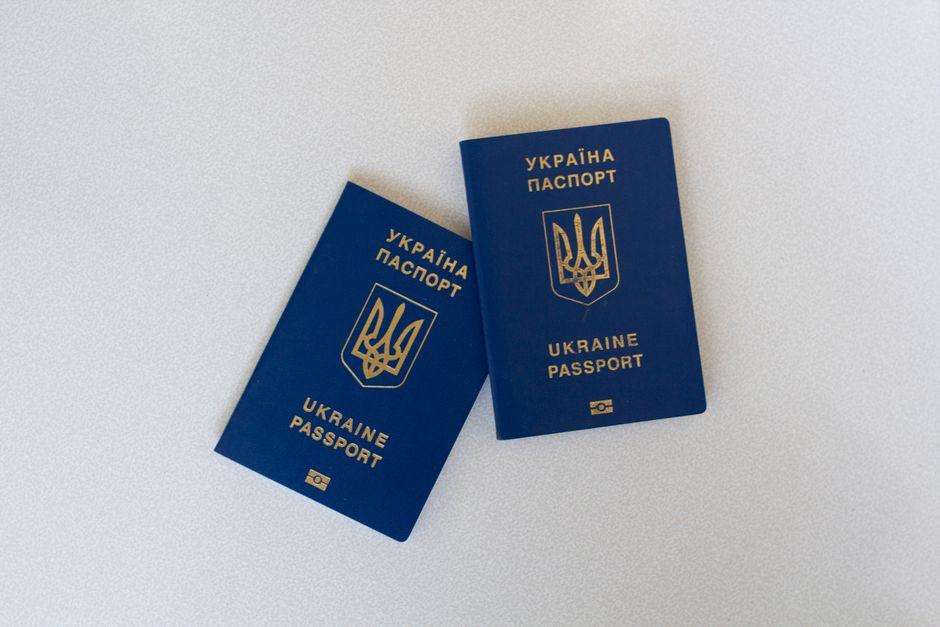
Exploring the Advantages and Challenges of Holding More Than One Citizenship
Holding more than one citizenship, commonly known as dual or multiple nationality, offers a unique blend of opportunities and complexities. Among the primary advantages is enhanced global mobility; citizens with dual nationality often enjoy visa-free or simplified entry into multiple countries, easing international travel for work or leisure. Additionally, multiple citizenships can provide access to diverse social services, educational systems, and healthcare benefits across nations. Economically, dual citizens may capitalize on broader job markets and investment opportunities, sometimes benefiting from favorable tax treaties. Moreover, maintaining ties to more than one country allows individuals to preserve cultural heritage and family connections that transcend borders, enriching their personal and professional lives in powerful ways.
However, alongside these benefits come notable challenges that deserve careful consideration. Dual citizenship can complicate legal responsibilities, such as conflicting tax obligations or mandatory military service in each country. Differences in legal systems may also raise questions about rights, protections, and political participation across the nations involved. For instance, one country might impose restrictions on dual nationals concerning government positions or access to certain jobs. Additionally, navigating consular assistance can be tricky if the two countries do not coordinate on diplomatic protections. Below is a brief comparison to highlight some common complexities:
| Aspect | Potential Advantage | Possible Challenge |
|---|---|---|
| Travel and Visa | Multiple passports for easier global access | Obligations to declare allegiance or comply with exit controls |
| Legal Obligations | Rights under multiple legal systems | Dual tax liabilities, military service requirements |
| Political Rights | Voting rights in multiple countries | Restrictions on holding public office |
To navigate these complexities, it’s advisable to stay well-informed about the laws of each country involved and seek expert legal or tax advice. Maintaining clear records and understanding how citizenship laws evolve can help safeguard your rights and responsibilities, ensuring that the advantages of holding more than one citizenship outweigh the challenges.
Key Legal Questions to Consider Before Pursuing Dual Nationality
When considering dual nationality, one of the core legal questions is whether both countries involved permit double citizenship. While some nations accept dual nationality without restrictions, others require you to renounce your original citizenship upon naturalization. It’s essential to verify this early on, as holding dual nationality in countries with conflicting policies can lead to legal complications like loss of citizenship or difficulties with travel documents. Additionally, understanding the specific rights and responsibilities conferred by each nationality-such as voting rights, military service obligations, and tax liabilities-is crucial. For example, some countries impose mandatory military service on their citizens regardless of where they live, which could affect your personal and professional plans.
Another critical consideration is the impact of dual nationality on taxation and legal jurisdiction. Dual nationals may be subject to tax obligations in both countries, depending on domestic laws and international tax treaties. This makes it important to consult with tax professionals to avoid unexpected financial liabilities. Furthermore, in cases of legal disputes or criminal matters, dual nationality can affect which country’s laws apply, potentially leading to conflicting legal obligations. When deciding to pursue dual citizenship, carefully weigh these factors, and consider practical issues such as passport privileges, consular support abroad, and ease of travel. Below is a quick comparison of common dual nationality challenges to evaluate before proceeding:
| Legal Aspect | Potential Issue | Tip |
|---|---|---|
| Citizenship Laws | Risk of losing citizenship if dual nationality is forbidden | Check official government policies on dual citizenship |
| Military Service | Possible compulsory service in one or both countries | Clarify obligations with military/defense authorities |
| Taxation | Double taxation or complex filing requirements | Consult a cross-border tax advisor |
| Legal Jurisdiction | Conflicting legal responsibilities or travel restrictions | Understand how each country treats its nationals legally |
How Double Nationality Shapes Identity and Opportunities Around the World
Double nationality profoundly influences personal identity by enabling individuals to bridge cultures, traditions, and languages. This dual connection often fosters a richer worldview and a stronger sense of belonging in diverse communities. For many, holding two passports means navigating multiple cultural norms and values, which can cultivate adaptability and open-mindedness. However, it can also lead to complex questions about loyalty and legal responsibilities, especially when the countries involved have conflicting laws or political tensions. This dual status allows people to weave together elements of each nationality into a unique identity, often celebrated in multicultural societies and globalized networks.
Beyond identity, double nationality significantly expands opportunities, particularly in travel, employment, and education. With dual citizenship, individuals generally enjoy:
- Visa-free or simplified entry to more countries, reducing travel barriers.
- Access to social benefits and services like healthcare, education, and property ownership in two countries.
- Employment flexibility in international markets, often sidestepping work permit restrictions.
- Enhanced business opportunities, including easier investment and entrepreneurship across borders.
However, challenges such as compulsory military service in one country, double taxation, or conflicting legal expectations require careful consideration. Unlike single citizenship, double nationality demands awareness of the distinct legal frameworks involved, making it advisable to consult experts on rights and obligations. Here is a brief comparison highlighting key practical differences:
| Aspect | Single Nationality | Double Nationality |
|---|---|---|
| Travel | Limited to one passport’s visa rules | Choose optimal passport based on entry rules |
| Legal Obligations | Subject to one country’s laws and duties | Potential dual obligations including taxes and service |
| Access to Services | Access tied to one citizenship | Double access to social, healthcare, and education benefits |
Ultimately, understanding how double nationality shapes identity and opportunities necessitates balancing its enriching potential against practical nuances. This awareness empowers individuals to leverage their dual status effectively in an increasingly interconnected world.
Clearing Up Common Misunderstandings About Dual Citizenship and Your Rights
Dual citizenship often sparks confusion, especially around the rights and responsibilities it entails. A common misunderstanding is that holding two nationalities means you can freely pick and choose which country’s laws to follow. In reality, dual nationals are bound by the legal systems of both countries, which can sometimes lead to conflicting obligations, such as tax filing, military service, or legal jurisdiction. Additionally, some people assume dual citizenship automatically grants the right to vote or run for public office in both countries, but this varies widely depending on national laws and eligibility requirements. It’s also important to note that while dual citizenship can simplify international travel and economic opportunities, it might not guarantee protection from deportation or diplomatic assistance abroad if the two countries do not recognize dual status in certain situations.
When comparing dual citizenship with permanent residency or single nationality, several distinct factors emerge: dual nationality allows full political rights in two states, while residency offers limited rights without citizenship benefits. However, the risks-like complex tax obligations and possible loss of rights in one country due to conflicts-should be carefully weighed. For those considering dual citizenship, it’s highly recommended to:
- Consult legal experts to understand each country’s policies on dual nationality and obligations.
- Review tax treaties and military service rules to avoid unexpected liabilities.
- Stay informed about how citizenship status affects family rights and inheritance laws.
| Aspect | Dual Citizenship | Single Citizenship |
|---|---|---|
| Voting Rights | Usually allowed in both countries | Only in the country of citizenship |
| Tax Responsibilities | Potentially liable in both countries | Taxed based on one country’s laws |
| Travel Flexibility | More simplified international mobility | Limited to one passport’s power |
Key Takeaways
In a world that grows ever more interconnected, understanding double nationality opens doors to a mosaic of opportunities and challenges alike. Whether it’s the freedom to live across borders, access to diverse cultures, or the intricate legal webs it weaves, holding dual citizenship is more than just a legal status-it’s a bridge between identities and possibilities. As you navigate the benefits and responsibilities that come with double nationality, staying informed and mindful of the legal landscapes will ensure that this unique privilege serves you well, wherever life’s journey may take you.




