
In an increasingly interconnected world, the concept of identity is evolving beyond borders and passports. Dual citizenship, once a rarity, has become a defining reality for many who navigate the complexities of modern globalization. But what does it truly mean to hold allegiance to two nations? Beyond the symbolic gestures, dual citizenship opens doors to unique legal rights, cultural experiences, and opportunities – yet it also brings with it important responsibilities and considerations. This article delves into the essence of dual citizenship, exploring its benefits and the crucial factors that global citizens must weigh as they embrace a multifaceted national identity.
The Complex Reality Behind Holding Two Passports
Holding two passports often symbolizes freedom of movement, access to diverse opportunities, and a strengthened sense of identity. However, the reality is far more nuanced than simply possessing two travel documents. Dual citizenship can introduce complex legal and logistical challenges that vary widely depending on the countries involved. For example, some nations do not formally recognize dual citizenship, which may lead to complications such as mandatory military service, double taxation, or restrictions on political participation. Moreover, practical issues like navigating differing visa requirements, managing tax obligations in multiple jurisdictions, and addressing conflicting legal responsibilities are common hurdles for dual passport holders.
To better understand these complexities, consider the following key aspects:
- Legal obligations: Dual citizens might be subject to the laws of both countries, including criminal laws and civic duties.
- Tax implications: Income and assets may be taxable in both countries, often requiring expertise in international tax treaties.
- Travel restrictions: Some countries limit entry or exit if you use a foreign passport, affecting ease of travel.
- Diplomatic protection: Assistance from one country’s embassy may be limited when you are in your other country of citizenship.
| Aspect | Potential Challenge | Example |
|---|---|---|
| Military Service | Mandatory service in both countries | South Korea’s requirements for male dual citizens |
| Taxation | Double taxation without treaty protection | US citizens taxed on worldwide income regardless of residence |
| Consular Access | Limited diplomatic support in one’s other country | US embassy may have restrictions assisting US citizens in certain cases abroad |
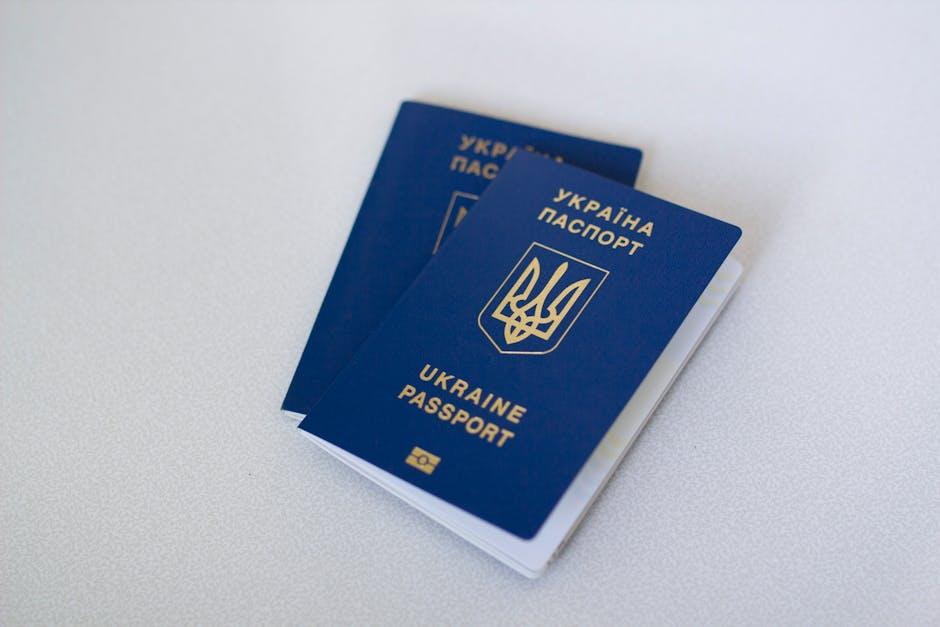
Exploring the Advantages That Come with Dual Citizenship
Dual citizenship offers a unique set of advantages that appeal to global citizens seeking increased flexibility and opportunity. At its core, dual citizenship means legally holding citizenship in two countries simultaneously, which grants the right to live, work, and access social benefits in both nations. This status also allows individuals to travel more freely, often bypassing visa restrictions through the second passport. Financially, dual citizens can benefit from diverse banking options and investment opportunities unavailable to non-residents. Additionally, in terms of cultural identity, dual citizenship empowers people to maintain strong ties with their heritage while embracing new cultural experiences, fostering a broader sense of belonging and adaptable identity.
However, navigating dual citizenship involves understanding practical implications and potential challenges. For instance, tax obligations can become complex, as some countries require citizens to report global income, making thorough financial planning essential. Legal responsibilities, such as mandatory military service in some nations, can also come into play. Below is a brief comparison highlighting common benefits and considerations:
| Aspect | Dual Citizenship Benefits | Key Considerations |
|---|---|---|
| Travel | Broader visa-free access, multiple passports | Carry correct passport for country entry and exit |
| Work & Residency | Freedom to live and work in both countries | Compliance with local employment laws |
| Social Services | Access to healthcare, education, and welfare benefits | Eligibility may vary by residency status |
| Taxation | Diversification of financial assets | Potential dual tax filing and liabilities |
- Recommendation: Consult with legal and tax professionals before pursuing dual citizenship to fully understand personal obligations and maximize advantages.
- Tip: Stay informed about each country’s evolving policies related to dual citizenship to avoid unintended consequences.
Common Challenges and Legal Pitfalls to Watch For
While dual citizenship offers notable benefits like expanded travel freedom and access to multiple social services, it also presents significant legal complexities that merit careful attention. One common challenge is the risk of conflicting obligations, such as taxation and military service requirements in both countries. For instance, some nations tax based on citizenship rather than residency, potentially leading to double taxation unless treaties or exemptions apply. Additionally, legal discrepancies around consular protection can arise; dual citizens might not receive full diplomatic support from one country while in the other. It’s crucial to thoroughly understand each country’s stance on dual citizenship to avoid unexpected liabilities or restrictions. Other frequent pitfalls include issues related to inheritance laws, voting rights, and the potential revocation of citizenship if eligibility criteria are not continuously met.
To navigate these challenges prudently, experts recommend maintaining clear documentation and consulting immigration or legal professionals familiar with the laws of both countries. Here’s a quick comparison to consider before pursuing dual citizenship:
| Aspect | Potential Benefit | Common Legal Issues |
|---|---|---|
| Taxation | Access to financial opportunities in multiple countries | Double taxation; complex filing requirements |
| Military Service | Ability to reside freely without conscription | Mandatory service in one or both countries |
| Travel | Expanded visa-free access globally | Passport usage regulations; risk of arrest without proper documentation |
- Recommendation: Regularly review changes in both countries’ citizenship laws.
- Tip: Use each passport in its respective country to avoid legal complications.
- Warning: Be aware that not all countries accept dual citizenship, which may result in loss of nationality.
How to Decide if Dual Citizenship Fits Your Personal and Professional Life
Deciding if dual citizenship fits your personal and professional life starts with assessing your individual priorities and circumstances. On a personal level, consider factors such as family ties, cultural identity, and lifestyle preferences. Do you have close relatives in another country, or do you frequently travel for personal reasons? Dual citizenship can simplify travel, residency, and legal processes for those with strong multinational connections. Professionally, examine your career goals, employer expectations, and industry dynamics. For example, dual citizenship may provide advantageous access to job markets, work permits, or business opportunities that single citizenship can’t offer. However, weigh these benefits against potential challenges like conflicting tax obligations, compulsory military service, or diplomatic complexities that differ by country.
To make an informed decision, it’s essential to evaluate key questions before pursuing dual citizenship:
- What are the legal requirements and restrictions? Understand each country’s policies on dual citizenship, as some restrict it or impose conditions that might affect your status.
- How will dual citizenship impact your taxes? Multiple tax systems could increase your financial reporting and payment responsibilities, so consult a tax advisor experienced with expats.
- What are the implications for your professional licensing or benefits? Certain professions require specific citizenship or residency criteria, so explore how dual nationality could influence your work eligibility or benefits like social security.
- Are there long-term risks or responsibilities? Consider obligations such as mandatory military service or civic duties in either country.
| Aspect | Potential Benefit | Possible Challenge |
|---|---|---|
| Travel | Visa-free or eased entry to multiple countries | Conflicting passport regulations or entry limitations |
| Work | Access to more job markets and preferential employment rights | Professional licensing may require residency or loyalty to one country |
| Financial | Flexibility in banking, investments, and estate planning | Double taxation or complex financial reporting |
Ultimately, dual citizenship aligns best when the benefits-such as expanded international mobility, deeper cultural connection, and professional flexibility-outweigh the administrative and legal complexities involved. Consulting legal and financial experts, alongside thorough personal reflection, ensures that dual nationality integrates seamlessly into your unique global journey.
Clearing Up Popular Myths About Dual Nationality and Its Impact
One common myth about dual nationality is that it automatically requires abandoning one’s original citizenship, which is not true in many cases. While some countries do require renouncing previous citizenships, many allow dual nationality without forfeiting rights in either country. This misconception often causes undue anxiety for prospective dual citizens. Another widespread misunderstanding is that dual citizens face double taxation or legal conflicts. Although dual nationals may have tax responsibilities in both countries, many nations have tax treaties to prevent double taxation. Legal obligations typically depend on the specific laws of each country involved, especially regarding things like military service or political participation, which can vary significantly and are often manageable with proper legal guidance. Understanding these nuances helps clarify that dual nationality is not a one-size-fits-all situation but a flexible status shaped by international agreements and national laws.
Besides debunking myths, it’s important to highlight that dual nationality can offer practical advantages rather than just complicate lives. For instance, dual citizens often enjoy:
- Greater travel freedom with access to multiple passports
- Expanded work and residency rights without visa restrictions
- Eligibility for social services and educational opportunities in both countries
- Enhanced cultural integration and familial benefits
However, it is equally essential to weigh potential challenges such as navigating differing legal systems or meeting diverse tax requirements. A brief comparison table below encapsulates key considerations:
| Aspect | Single Citizenship | Dual Citizenship |
|---|---|---|
| Travel | Limited by one passport | Access to multiple passports, broader visa-free travel |
| Legal Obligations | Subject to one country’s laws only | May face obligations in two jurisdictions |
| Taxation | Taxed solely in country of citizenship/residence | Possible dual tax obligations, depending on treaties |
| Social Benefits | Access limited to one country’s programs | Potential access in both countries, subject to eligibility |
Before pursuing dual nationality, it’s advisable to consult legal experts and thoroughly research both countries’ policies to avoid surprises and fully leverage the benefits inherent to this status.
Wrapping Up
As the world becomes increasingly interconnected, the concept of dual citizenship opens new doors for those seeking to embrace multiple identities and opportunities. Understanding what it truly entails-beyond just holding two passports-allows global citizens to navigate its benefits and responsibilities with clarity and confidence. Whether it’s access to diverse cultures, expanded rights, or broader horizons, dual citizenship offers a unique lens through which to view the modern world. Yet, like any journey, it demands thoughtful consideration of legal complexities, personal values, and long-term implications. By approaching dual citizenship with informed awareness, individuals can make choices that enrich their lives while honoring the intricate ties that bind them to more than one homeland.




