
In a world increasingly connected by borders both physical and digital, the idea of belonging to more than one nation is no longer a rarity but a growing reality. Dual citizenship – holding legal membership in two countries simultaneously – opens doors to a blend of cultures, rights, and opportunities that can enrich lives in unexpected ways. Yet, alongside its advantages lie complexities that merit careful thought. This article delves into the intricate landscape of dual citizenship, exploring what it truly means, the benefits it offers, and the crucial considerations one should keep in mind when navigating the responsibilities and privileges of living under two flags. Whether driven by family ties, professional pursuits, or personal choice, understanding dual nationality is an essential step in embracing the globalized world we share.
Exploring the Basics of Holding Two Passports at Once
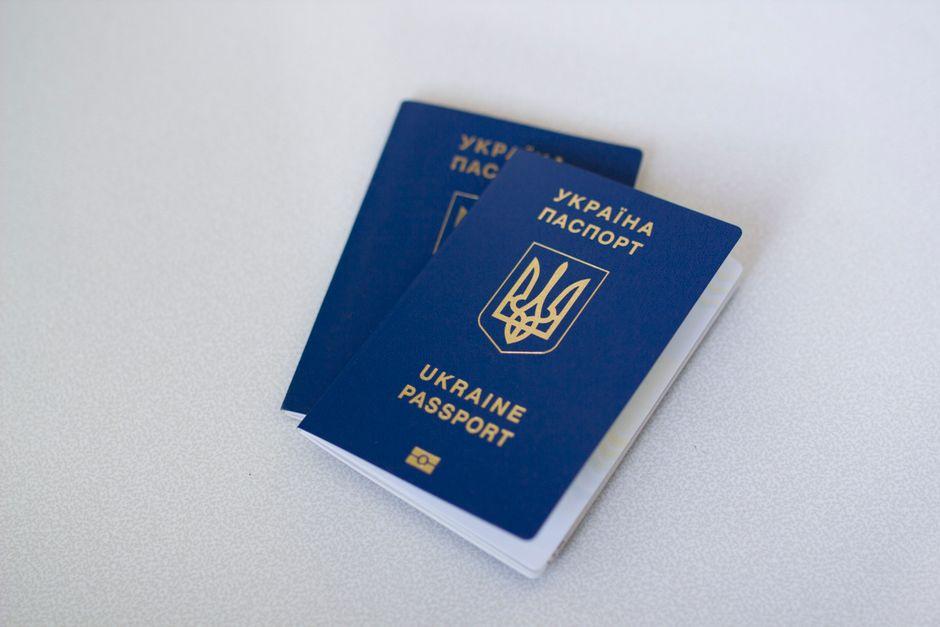
Holding two passports simultaneously, known as dual citizenship or dual nationality, means an individual is legally recognized as a citizen by two different countries at the same time. This status grants the holder the rights and responsibilities of both nations, such as voting, working, residing, and enjoying consular assistance abroad. However, the process and acceptance of dual citizenship vary widely depending on each country’s laws. Some nations allow it freely, others restrict it to specific circumstances like marriage or descent, and a few prohibit it altogether, requiring individuals to renounce one citizenship before acquiring another. Understanding these legal frameworks is crucial before pursuing dual nationality to avoid complications such as loss of citizenship, tax liabilities, or mandatory military service in one country.
The benefits of holding two passports extend beyond mere convenience. Dual citizens often gain:
- Visa-free travel: Access to more countries without applying for separate visas.
- Employment opportunities: The right to work in both countries without additional permits.
- Education and healthcare benefits: Access to public services and institutions in either nation.
- Property ownership: Ability to buy real estate in countries that restrict foreign ownership.
Yet, these advantages come paired with potential challenges, including:
– Navigating tax reporting requirements for both countries.
– Complying with different legal systems and obligations.
– Managing complex travel documentation to avoid confusion at border controls.
Considering these factors helps individuals weigh whether acquiring and maintaining two passports aligns with their personal, professional, and financial goals.
| Aspect | Advantages | Considerations |
|---|---|---|
| Legal Status | Rights and protections in both countries | Follow laws of each country, including obligations |
| Travel | More visa-free destinations, flexible entry options | Proper use of correct passport to avoid delays or denials |
| Taxation | Potential tax benefits if planned right | Double taxation risks, complex filing requirements |
| Civic Duties | Participate in political life, vote in elections | Military service or jury duty in one or both countries |
Advantages That Come with Dual Citizenship You Might Not Expect
While many understand dual citizenship mainly for its obvious benefits like travel convenience and expanded employment opportunities, some advantages are less frequently discussed yet equally impactful. For instance, dual citizens often gain increased access to social services such as healthcare and education in both countries, which can translate to significant savings and higher-quality options. Additionally, holding two passports can provide strategic financial advantages, including the ability to open bank accounts or invest in property in both nations with fewer restrictions. This broader financial flexibility can be particularly beneficial for entrepreneurs and investors navigating global markets.
Another unexpectedly valuable perk lies in the legal protections and diplomatic support afforded by dual citizenship. If complications arise abroad, dual nationals generally have the right to seek assistance from either country’s embassy, broadening their options in emergencies. Moreover, dual citizenship can sometimes offer a form of political freedom, such as the right to vote or participate in civic duties in two countries, which empowers individuals to have a voice in more than one governmental system. Below is a quick comparison highlighting some of these lesser-known advantages:
| Advantage | Benefit Explained |
|---|---|
| Access to Social Services | Eligibility to use healthcare, education, and welfare programs in both countries, reducing personal costs. |
| Financial Opportunities | Ability to invest, open bank accounts, and own property in two jurisdictions with fewer limitations. |
| Diplomatic Protection | Access to consular support from either country during emergencies abroad. |
| Political Participation | Possibility to vote and engage in civic processes in both nations, enhancing political influence. |
Common Challenges and Legal Complexities of Dual Nationality
Dual nationality can offer unique advantages, but it also comes with notable challenges and legal complexities that citizens should carefully consider. One common issue involves tax obligations, as some countries tax global income regardless of residency, potentially leading to double taxation. Additionally, dual citizens may face complications with military service requirements, as two countries might expect compulsory service. The legal principle of extradition and criminal jurisdiction can also become tangled, where being subject to two legal systems might complicate law enforcement and rights protection. Moreover, travel restrictions or visa requirements might differ widely depending on the passport used, creating confusion or inadvertent violations. Understanding these nuances upfront is crucial to managing expectations and ensuring compliance with each country’s laws.
To help navigate these complexities, here is a quick comparison of key challenges commonly encountered by dual nationals:
| Challenge | Description | Recommended Action |
|---|---|---|
| Taxation | Potential for double taxation on worldwide income. | Consult tax professionals to understand treaties and filing requirements. |
| Military Service | Obligation to serve in the armed forces of one or both countries. | Research conscription laws early and seek exemptions if possible. |
| Legal Conflicts | Differences in legal systems may affect rights and responsibilities. | Stay informed on each country’s laws and consider legal counsel. |
| Travel & Passport Use | Confusion over which passport to use, potential entry restrictions. | Always use the appropriate passport based on entry/exit country policies. |
How to Decide If Dual Citizenship Is the Right Choice for You
Deciding whether dual citizenship is the right path involves assessing how holding two nationalities aligns with your personal, professional, and legal circumstances. Consider your lifestyle and long-term goals: Do you frequently travel for work or family? Dual citizenship can simplify visa requirements, allowing easier access to two countries. Additionally, people with multicultural ties often find emotional and cultural benefits in maintaining official connections to more than one nation. However, the legal obligations are just as important-evaluate if both countries allow dual citizenship and what responsibilities it entails, such as taxation, compulsory military service, or legal jurisdiction. Not all countries permit dual nationality, and some may require you to renounce your original citizenship, so clarifying your options beforehand is critical.
Weigh the advantages against possible complications by considering factors like financial obligations, political stability, and access to social services. Here’s a quick comparison for clarity:
| Aspect | Benefit of Dual Citizenship | Potential Challenge |
|---|---|---|
| Travel & Mobility | Visa-free or simplified entry to two countries | Dual passports may require complex travel planning |
| Legal Rights & Duties | Access to social benefits and property ownership in both nations | Double taxation or mandatory military service can apply |
| Cultural & Family Connections | Maintaining heritage and family ties | Conflicting national laws or obligations |
- Ask yourself: How stable and supportive are the countries’ political and legal systems?
- Review tax treaties: Do both countries have agreements to prevent double taxation?
- Consult legal experts: Especially if you have complex residency or work arrangements.
By thoroughly weighing these factors, you can make a well-informed decision that best suits your unique situation, ensuring the benefits of dual citizenship outweigh the potential drawbacks.
Clearing Up Myths and Frequently Asked Questions About Dual Citizenship
Myth 1: Dual Citizenship Means Double Taxes. A common misconception is that holding two citizenships automatically subjects you to double taxation. In reality, many countries have tax treaties to prevent this, allowing individuals to avoid paying tax twice on the same income. It’s essential to understand your specific tax obligations by consulting local regulations or a tax professional, as dual citizenship does not inherently mean double tax liability. Myth 2: You Must Serve Military Duties in Both Countries. While some nations require mandatory military service, dual nationals may face such obligations only in one country or be eligible for exemptions. Checking each country’s conscription rules can clarify whether this applies to you. Additionally, dual citizenship often does not force you to renounce one nationality when obtaining another, though some countries do not allow dual status at all, so always verify legal compatibility before pursuing multiple citizenships.
Here’s a quick comparison to address frequently asked questions about dual citizenship implications:
| Concern | Typical Reality | Recommendation |
|---|---|---|
| Travel Freedom | Access to more countries without visas | Use the passport offering the best visa terms for your destination |
| Political Participation | Possible right to vote in both countries | Check each country’s voting laws for dual citizens |
| Legal Obligations | Potential for conflicting laws (e.g., taxes, military service) | Stay informed on both countries’ requirements |
| Privacy and Security | Some countries require declaring dual nationality | Disclose as mandated to avoid legal issues |
Understanding the nuances behind dual citizenship can help dispel fears and clarify the genuine benefits versus obligations. It is wise to weigh personal circumstances and seek expert advice to navigate complexities, ensuring dual nationality serves as an asset rather than a burden.
Future Outlook
In the ever-globalizing world, dual citizenship stands as a bridge between cultures, opportunities, and identities. Understanding what it truly means, along with its benefits and potential challenges, empowers individuals to navigate the complexities of holding two nationalities with confidence. Whether it opens doors to new adventures, connects families, or enhances personal freedom, dual citizenship is a multifaceted journey-one that calls for thoughtful consideration and informed choices. As you contemplate the possibilities it offers, remember that embracing dual citizenship is not just about legal status; it’s about weaving together the threads of your heritage, your present, and your future in a way that honors all parts of your unique story.




