
In an increasingly interconnected world, the concept of identity has evolved beyond borders and passports. Joint citizenship, often referred to as dual or multiple citizenship, is a growing reality for millions navigating the complex intersections of nationality, culture, and legal status. But what does it truly mean to hold citizenship in more than one country? Beyond the formalities of documentation, joint citizenship carries a unique set of privileges, responsibilities, and challenges that shape the lives of individuals and influence the fabric of nations. This article delves into the essence of joint citizenship, exploring its meaning, the benefits it offers, and how it operates in practice-unpacking a phenomenon that is as dynamic and multifaceted as the global community itself.
Exploring the Concept of Joint Citizenship and Its Practical Implications
Joint citizenship refers to the legal status where an individual holds citizenship in two or more countries simultaneously. Unlike dual citizenship, which typically involves two nations, joint citizenship can extend to multiple states depending on international agreements and personal circumstances. This status allows citizens to enjoy rights and obligations in each country, including voting, working, and accessing social benefits. However, practical implications vary widely by jurisdiction. For example, while some countries fully recognize joint citizenship and promote seamless cross-border opportunities, others enforce restrictions such as mandatory military service or limited political participation in one of the countries. Understanding how each nation handles joint citizenship is crucial, as conflicting laws may affect taxation, legal protections, and even travel freedoms.
The benefits of joint citizenship are notable but come with nuanced challenges. On the positive side, individuals can leverage broader employment possibilities, educational access, and healthcare services across member countries. Additionally, joint citizenship facilitates familial and cultural connections, simplifying residency or property ownership rights in multiple places. Yet, it may also introduce complexities like double taxation, allegiance conflicts during diplomatic tensions, or legal complications in international law enforcement. Comparatively, joint citizenship often provides more flexibility than permanent residency but demands active engagement with two sets of legal frameworks. To navigate these complexities, it’s advisable to:
- Consult immigration and tax experts to understand bilateral agreements affecting taxes and social security.
- Stay informed about the political rights and responsibilities tied to each citizenship to avoid legal pitfalls.
- Maintain organized records of documents like passports, national IDs, and relevant permits for all countries involved.
| Aspect | Joint Citizenship | Single Citizenship |
|---|---|---|
| Legal Rights | Rights in multiple countries | Rights in one country |
| Tax Obligations | Possible dual taxation | Single tax system |
| Consular Protection | Assistance from multiple embassies | Assistance from one embassy |
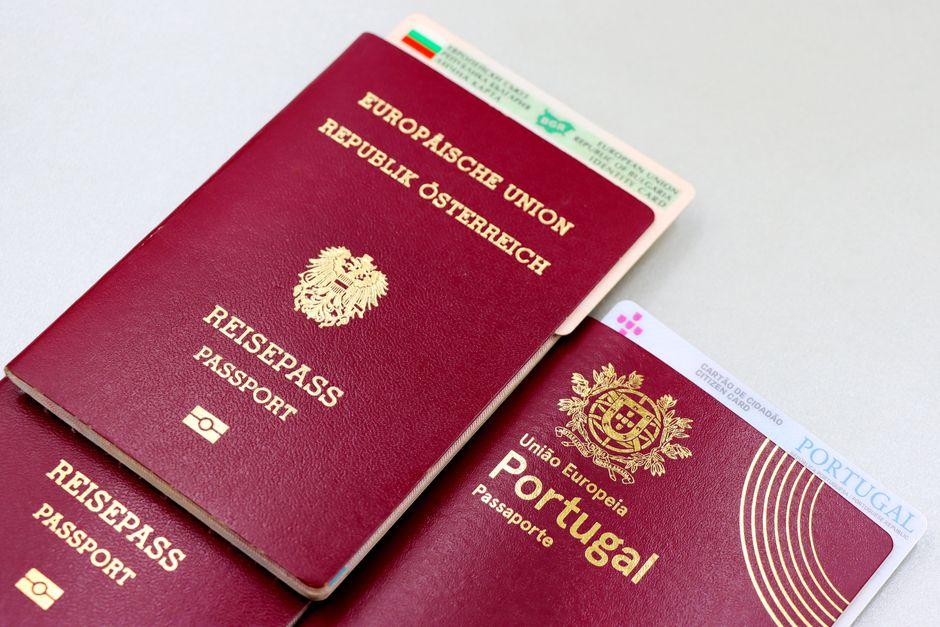
The Advantages and Challenges of Holding Citizenship in Multiple Countries
Holding citizenship in multiple countries, commonly known as dual or multiple citizenship, offers tangible benefits that attract many individuals worldwide. Among the most significant advantages are enhanced mobility and travel freedom, as dual citizens often enjoy visa-free or simplified entry to a broader list of countries. This ease of movement is invaluable for business professionals, frequent travelers, and families with multicultural ties. Additionally, joint citizenship provides access to social services and educational opportunities in multiple nations, allowing individuals to benefit from healthcare systems, social welfare programs, and lower tuition fees as domestic students. Inheritance rights and property ownership can also be more straightforward when holding citizenship in the respective country, further expanding personal and economic opportunities.
However, the challenges of holding multiple citizenships merit careful consideration. A prominent issue is the potential for double taxation, where individuals may be liable to pay taxes in more than one country, depending on local laws and international treaties. Furthermore, responsibilities such as compulsory military service may apply in more than one jurisdiction, creating legal and logistical complications. Conflicting laws between countries-ranging from criminal codes to family law-can pose additional hurdles, possibly leading to complex situations regarding legal rights and obligations. To navigate these challenges effectively, it is advisable to consult with legal and financial experts versed in international law and tax treaties. Below is a brief comparison highlighting key advantages and challenges:
| Aspect | Advantages | Challenges |
|---|---|---|
| Mobility | Visa-free travel; ease of immigration | Possible travel restrictions due to conflicting passports |
| Rights & Benefits | Access to social services, voting rights, work permits | Legal conflicts; compulsory military obligations |
| Financial | Investment opportunities; property ownership | Double taxation risks; complex financial reporting |
| Identity & Belonging | Stronger cultural and familial connections | Potential identity conflicts; divided national loyalties |
Common Misunderstandings About Dual Citizenship Clarified
Dual citizenship, often confused with permanent residency or dual nationality, means holding legal citizenship status in two countries simultaneously. A common misunderstanding is that dual citizens must choose one nationality over the other or that obtaining a second citizenship automatically exempts them from taxes or military service in both countries. In reality, the rules vary depending on each country’s laws. For example, some countries recognize dual citizenship fully, allowing individuals to enjoy rights and responsibilities like voting or government employment in both places. Others may require notifying authorities or even revoking one citizenship upon acquiring another. Therefore, it’s crucial to research how each country treats dual citizenship to avoid unexpected legal or financial obligations. Key points often confused include:
- Tax liabilities: Dual citizenship does not guarantee tax exemption; some nations tax global income regardless of residency.
- Military service: Certain countries may require compulsory service, even if you hold citizenship elsewhere.
- Travel freedom: While dual citizenship can ease travel opportunities, it doesn’t automatically waive visa requirements.
Another widespread myth is that dual citizenship complicates international legal matters or leads to “double punishment” under the law. However, the legal jurisdiction usually depends on where an individual is physically present rather than citizenship alone. To clarify, the following table summarizes common concerns and realities about dual citizenship:
| Concern | Common Misunderstanding | Reality |
|---|---|---|
| Loss of Rights | If you gain dual citizenship, you lose rights in one country. | Both citizenships typically retain full rights unless laws prohibit dual citizenship. |
| Automatic Dual Citizenship | Being born abroad automatically grants dual citizenship. | Depends on countries’ nationality laws; not automatic without registration or parental citizenship. |
| Conflicts of Loyalty | You must always choose allegiance to one country over another. | Most dual citizens legally uphold allegiance to both without conflict. |
Factors to Consider When Pursuing Joint Citizenship Opportunities
When pursuing joint citizenship, also known as dual or multiple citizenship, it’s crucial to assess how each country’s legal framework interacts with your personal and professional situation. Start by evaluating the specific rights and responsibilities that come with holding citizenship in multiple nations-this includes voting rights, tax obligations, military service requirements, and eligibility for government benefits. For instance, some countries impose worldwide taxation on their citizens, which might complicate your financial planning if you’re earning income in multiple jurisdictions. Additionally, consider how each country handles renunciation policies, as some nations don’t permit dual citizenship, potentially requiring you to give up your original nationality. Understanding these nuances can prevent unforeseen legal or financial challenges down the road.
Another vital factor is how joint citizenship impacts travel and residency. Dual citizens often enjoy greater freedom of movement between their countries, along with simplified access to work and education opportunities. However, there are practical matters to keep in mind, such as the need to use the correct passport when entering or leaving a particular country and how consular protections apply when abroad. Here’s a quick comparison to aid decision-making:
| Factor | Benefit | Potential Challenge |
|---|---|---|
| Travel Freedom | Access to multiple passports, possibly visa-free travel | Must use correct passport per country laws; risk of dual taxation |
| Legal Obligations | Broader rights in social, political, and economic spheres | Potential conflicts in military service, taxes, and legal responsibilities |
| Civic Participation | Ability to vote and engage politically in both countries | Possible allegiance conflicts or expectations |
Before proceeding, consult with immigration lawyers or official government sources to clarify specific bilateral agreements or restrictions. Carefully weighing these factors helps ensure that pursuing joint citizenship aligns with your long-term goals and reduces complexities related to legal status, financial matters, and personal freedoms.
How Different Nations Handle Dual Citizenship Rules and Policies
Countries vary significantly in their approach to dual citizenship, reflecting diverse legal traditions and policy priorities. Some nations, like Canada and the United States, embrace dual citizenship broadly, allowing individuals to retain their original nationality while acquiring a new one without renouncing either. This openness stems from the recognition of the complex, transnational nature of modern identity and migration. Conversely, countries such as China and India impose strict limitations or outright prohibitions, requiring citizens to renounce any foreign nationality upon naturalization to maintain a clear legal and political allegiance. In Europe, the rules often balance flexibility and control; for example, Germany allows dual citizenship primarily within the EU or when otherwise justified, emphasizing integration with a European identity but also safeguarding national interests.
For individuals navigating dual citizenship, understanding these nuanced frameworks is crucial, as the benefits and challenges hinge largely on national policies. Benefits typically include increased global mobility, expanded work and residency rights, and access to social services in multiple countries. However, potential complications can arise, such as conflicting tax obligations, compulsory military service, and complexities in political rights or diplomatic protection. To manage these issues, experts advise researching each country’s official stance-often outlined by immigration offices or consulates-and consulting legal professionals when necessary. Below is a simplified comparison highlighting dual citizenship policies in select countries:
| Country | Dual Citizenship Allowed? | Key Considerations |
|---|---|---|
| United States | Yes | Permits dual citizens; requires disclosure for government positions. |
| India | No | Overseas Citizenship of India (OCI) offered, but no dual citizenship. |
| Germany | Conditional | Allowed mostly within EU or for select cases; usually requires renouncing prior citizenship. |
| Canada | Yes | Fully permits dual citizenship without restrictions. |
| China | No | Strictly prohibits dual citizenship; citizenship revocation possible. |
Concluding Remarks
In the intricate tapestry of modern identity, joint citizenship emerges as a vibrant thread weaving together diverse legal, cultural, and personal narratives. Understanding what it means, the benefits it offers, and how it operates in practice not only demystifies a complex concept but also highlights the evolving nature of belonging in a globalized world. As borders blur and connections deepen, joint citizenship invites us to rethink notions of home and membership-embracing multiplicity without losing individuality. Whether as a tool for opportunity, security, or cultural enrichment, navigating joint citizenship is both a practical journey and a reflection of our shared human story.




