
In an increasingly interconnected world, the concept of identity has stretched beyond borders, giving rise to the intriguing phenomenon of multiple citizenship. Once a rarity, holding citizenship in more than one country has become a practical reality for millions, weaving complex tapestries of allegiance, culture, and opportunity. But what does it truly mean to belong to multiple nations simultaneously? This exploration delves into the multifaceted world of multiple citizenship-unpacking its benefits, navigating its challenges, and revealing how it operates in today’s global landscape. Whether driven by heritage, career, or the quest for freedom, understanding multiple citizenship is key to grasping the evolving nature of nationality in the 21st century.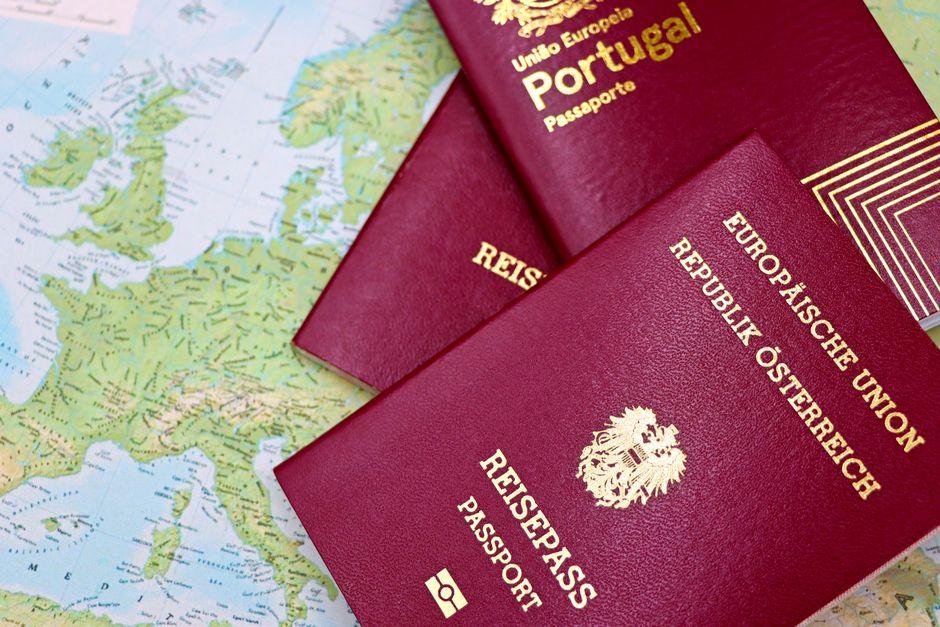
Navigating the Complex Landscape of Holding More Than One Passport
involves understanding the nuanced interplay of legal, practical, and personal factors. Dual or multiple citizenship means a person legally holds citizenship in two or more countries simultaneously, but the rights and responsibilities attached can vary widely. Some countries fully recognize dual citizenship, allowing holders to enjoy benefits like visa-free travel, work rights, and access to social services in multiple nations. Others may restrict or even prohibit multiple citizenship, requiring individuals to renounce previous nationalities upon naturalization. Key considerations include tax obligations, military service requirements, and the potential for conflicting legal standards, such as differing inheritance laws. Additionally, travelers should be aware of entry and exit regulations; for example, some countries require you to use their passport when entering or leaving, which can affect mobility and legal standing.
Practical challenges often arise around documentation and political sensitivities. Managing multiple passports means keeping track of renewal dates and understanding which passport to use depending on your destination or purpose, to avoid misunderstandings or denied entry. For instance, some countries impose travel restrictions on certain passports, so using a second passport can help bypass such limitations-but this must be done legally. Civic duties like voting and taxation can become complicated and may lead to unintended consequences if not carefully navigated. To simplify, here’s a brief comparison of common challenges and benefits:
| Aspect | Benefit | Challenge |
|---|---|---|
| Travel Freedom | Access to multiple visa-free destinations | Need to choose correct passport at border |
| Legal Rights | Work, reside, and own property in multiple countries | Conflicting laws on taxes, military service, and obligations |
| Administrative | Backup if one passport is lost or restricted | Increased documentation and renewal complexity |
- Recommendation: Always consult legal experts to understand the implications specific to your countries of citizenship.
- Recommendation: Keep detailed records of obligations like tax filings and take care to comply with travel protocols for each nationality.

Unexpected Advantages of Embracing Multiple Nationalities
Beyond the commonly discussed benefits of multiple citizenship-such as travel flexibility and expanded work opportunities-there are several unexpected advantages that often go unnoticed. For instance, dual or multiple nationals can gain unique cultural insights that enhance personal and professional relationships, especially in globalized industries. This multicultural perspective not only fosters empathy but also positions individuals as valuable intermediaries in international negotiations or collaborations. Additionally, having access to multiple social security systems can provide a safety net in terms of healthcare, retirement benefits, and unemployment support, which varies significantly between countries.
Another practical benefit lies in the realm of education and property ownership. Multiple citizenships can grant easier access to universities in different countries, often with reduced tuition fees or eligibility for local scholarships-advantages that single citizenship holders rarely enjoy. Similarly, property laws and investment opportunities may be more accessible or beneficial for citizens than for foreign residents, allowing multiple nationals to diversify their real estate portfolios globally. Consider the comparison below, illustrating how citizenship status affects property rights in select countries:
| Country | Property Ownership for Citizens | Property Ownership for Non-Citizens |
|---|---|---|
| Mexico | Full ownership rights | Ownership restricted in certain zones |
| Germany | Unrestricted real estate purchase | Unrestricted but financing options limited |
| Thailand | Can own land and buildings | Cannot own land, only buildings |
- Enhanced legal protections: Citizenship often means greater legal rights and protections in each country of nationality.
- Tax optimization strategies: Multiple citizenships can enable more strategic planning regarding tax residency and obligations.
- Voting rights and political participation: Citizens can participate in elections, influencing policies in multiple countries.
Common Misunderstandings About Dual and Multiple Citizenship Explained
Dual and multiple citizenship are often misunderstood concepts, leading to confusion about what they legally entail and how they function in practice. Many assume that holding more than one citizenship automatically grants unrestricted rights and benefits from all involved countries. While it’s true that dual citizens can access a broader range of travel, work, and residency opportunities, significant limitations exist. For example, some countries do not recognize dual citizenship at all, leading to potential conflicts in legal obligations such as taxation, military service, or voting rights. It’s also a common misconception that dual citizenship simplifies administrative matters; on the contrary, managing obligations like taxes or renewing passports can be complicated and might require careful navigation of differing national laws. Importantly, dual citizenship does not mean a person is exempt from the laws or duties of either nation-they must often comply with the legal requirements of all countries where they hold citizenship.
Another frequent misunderstanding involves the assumption that multiple citizenships always afford protections against deportation or loss of nationality. In reality, citizenship protections vary widely between countries, and holding multiple citizenships does not guarantee immunity from adverse government actions. There is also confusion over how citizenship is acquired or lost, with some people believing that obtaining a second citizenship automatically causes the forfeiture of the original one. However, this depends on bilateral agreements and domestic policies rather than a universal rule. To clarify these nuances, here is a brief comparison of typical advantages and challenges associated with multiple citizenships:
| Aspect | Common Misconception | Reality |
|---|---|---|
| Legal Rights | All rights multiply and combine from each citizenship. | Certain rights, such as voting or social benefits, may be limited or mutually exclusive. |
| Tax Obligations | Only pay taxes in your primary country. | Dual citizens may face complex tax filings in multiple jurisdictions. |
| Military Service | Dual citizenship exempts one from military duties. | Some countries require military service from all citizens, regardless of other citizenships. |
| Travel | Multiple passports guarantee seamless international mobility. | Entry restrictions and visa requirements remain country-specific. |
For those considering acquiring multiple citizenships, thorough research and professional legal advice are highly recommended. Understanding the specific rules and potential pitfalls of each country involved will help avoid unexpected consequences and maximize the true benefits of multiple citizenship.
Challenges and Legal Hurdles When Juggling Multiple Allegiances
Managing multiple citizenships introduces a complex set of legal hurdles and practical challenges that go beyond enjoying dual or triple national benefits. One common issue is the risk of conflicting obligations, such as tax liabilities and military service mandates imposed by different countries. For instance, some nations require citizens to pay taxes worldwide regardless of residency, which can lead to double taxation unless treaties or exemptions apply. Similarly, compulsory military service in one country may clash with the policies of another, creating difficult choices for individuals. Another significant challenge is the variation in citizenship laws; while some countries fully recognize multiple citizenships, others only allow it under strict conditions or outright forbid it, forcing applicants to renounce previous allegiances. This legal fragmentation often complicates travel, residency rights, and long-term planning.
Understanding the nuances of each citizenship you hold is crucial to navigating potential conflicts. Below is a brief comparison of common legal challenges tied to multiple citizenships:
| Challenge | Description | Potential Impact |
|---|---|---|
| Taxation | Obligation to file taxes in multiple countries | Double taxation or complex filing requirements |
| Military Service | Compulsory enlistment in armed forces | Legal penalties or forced conscription |
| Renunciation Requirements | Some countries require giving up other citizenships | Loss of access to rights linked to former citizenship |
| Diplomatic Protection | Limited consular assistance when in one’s other country | Reduced support in emergencies abroad |
To mitigate these complexities, experts recommend seeking tailored legal advice and staying informed about changes in international law. Individuals should also maintain meticulous records of their citizenship statuses and consult official government sources before making decisions related to residency, employment, or taxation abroad. Awareness and proactive management are key to harnessing the benefits of multiple citizenships while minimizing legal risks.
Choosing Multiple Citizenship How to Decide What Works Best for You
Deciding whether to pursue multiple citizenship depends on a careful evaluation of your personal circumstances, goals, and the specific legal frameworks of the countries involved. Multiple citizenship (or dual/multiple nationality) means legally holding citizenship in more than one country simultaneously, allowing you certain rights and responsibilities in each. When choosing this path, consider factors like travel convenience, employment opportunities, taxation, and family connections. For example, multiple citizenship can provide visa-free access to numerous countries, which is invaluable for frequent travelers or business professionals working internationally. However, not every country allows dual citizenship, and some impose strict conditions that could affect your civil rights or require military service. Understanding these nuances is crucial before taking steps toward acquiring additional citizenship.
To better weigh your options, you can compare the benefits and potential drawbacks in a straightforward way:
| Consideration | Benefits of Multiple Citizenship | Challenges & Limitations |
|---|---|---|
| Legal Rights | Access to social services, work permits, and voting rights in multiple countries. | Dual obligations such as taxes, jury duty, or military service in both nations. |
| Travel & Mobility | Freedom to travel with fewer visa restrictions. | Complex immigration rules that might complicate residence status. |
| Economic Opportunities | Ability to work and invest across countries without visa hassles. | Potential for double taxation complications without proper treaties. |
| Cultural & Family Ties | Strengthened identity and easier reunification with relatives abroad. | Possible divided loyalties or identity challenges. |
Ultimately, the best approach is to conduct thorough research on the countries’ laws regarding multiple citizenship, assess your long-term personal and professional plans, and consult legal or immigration experts if needed. This proactive effort ensures that your decision supports your lifestyle and provides maximum benefit without unexpected legal complications.
In Summary
In a world that grows ever more interconnected, multiple citizenship embodies the complexities and opportunities of our global age. It offers a bridge across borders, blending identities and expanding horizons, while also presenting unique legal and cultural challenges to navigate. Understanding the nuances of holding more than one nationality is not just a matter of paperwork-it’s an exploration of belonging in a multifaceted world. As laws evolve and societies become increasingly diverse, embracing the realities of multiple citizenship invites us to rethink the meaning of home, allegiance, and community in today’s dynamic landscape.




