
In a world increasingly connected by borders and blended cultures, the concept of citizenship is evolving beyond traditional definitions. Triple citizenship-a status where an individual holds citizenship in three different countries simultaneously-is becoming more relevant and complex than ever before. But what does it truly mean to be a citizen of three nations? How does one navigate the legal, cultural, and practical aspects of such a unique identity? This article dives into the fascinating realm of triple citizenship, unraveling how it works, the opportunities it offers, and the essential considerations anyone exploring this path should know. Whether motivated by family heritage, career ambitions, or a global mindset, understanding triple citizenship unlocks a modern perspective on belonging and identity in the twenty-first century.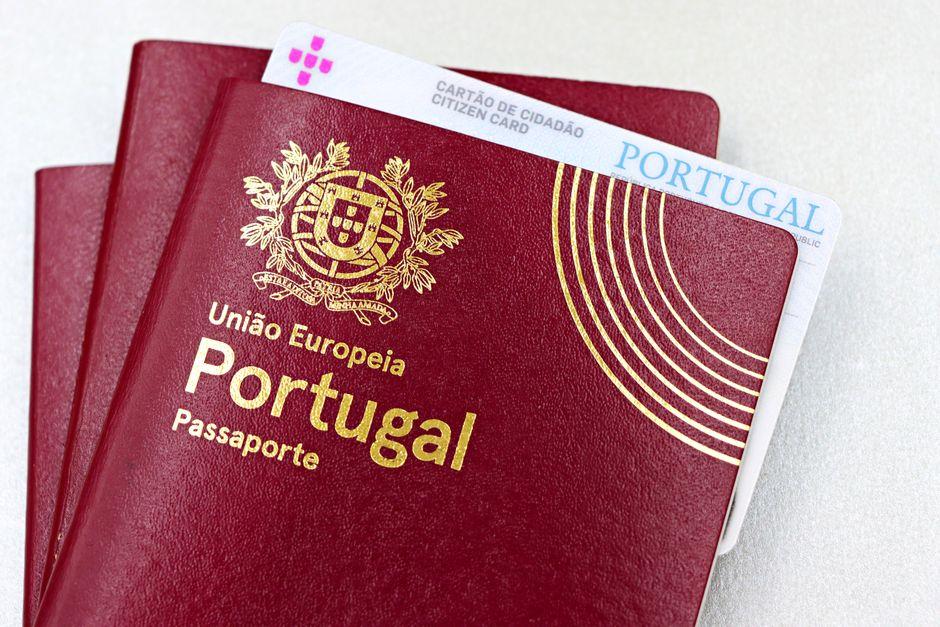
Navigating the Complexities of Holding Three Passports at Once
Holding three passports simultaneously, while legally feasible in many countries, comes with a distinct set of complexities that require careful navigation. Each passport brings with it unique responsibilities such as varying tax obligations, mandatory military service, and divergent legal requirements. For instance, some nations enforce strict reporting rules on foreign income, which can lead to double or even triple taxation if not managed properly. Additionally, traveling with multiple passports means understanding the entry and exit regulations that may differ significantly; some countries might not recognize dual or triple nationality, complicating visa applications or consular protections abroad. It’s also critical to stay updated on each country’s policies regarding citizenship retention, as failure to comply can result in the unintended loss of nationality.
To effectively manage these challenges, it’s advisable to:
- Maintain clear records of all citizenship documents and stay informed on renewal dates to avoid lapses.
- Consult legal and tax experts familiar with cross-national issues to optimize compliance and reduce financial liabilities.
- Understand diplomatic nuances, such as which embassy to approach during emergencies or legal disputes.
- Use passports strategically, selecting which to present based on travel destination and bilateral agreements.
| Aspect | Potential Challenge | Effective Strategy |
|---|---|---|
| Taxation | Multiple tax reporting and double taxation risks | Engage cross-border tax planning professionals |
| Military Service | Compulsory service requirements in some countries | Review exemption or deferment policies per nationality |
| Travel | Visa complications and entry restrictions | Choose the most favorable passport for each trip |
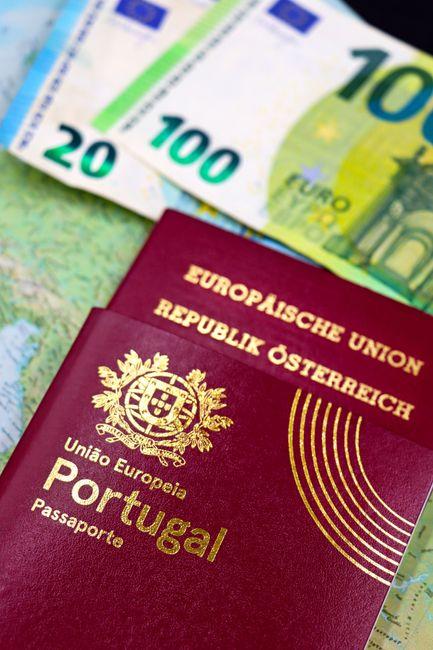
Unpacking Common Myths and Realities About Triple Citizenship
Triple citizenship often sparks a mix of intrigue and confusion, with many myths clouding its practical realities. One common misconception is that holding three passports automatically grants unrestricted global mobility; while it does increase travel freedom, visa requirements still vary significantly between countries, sometimes limiting benefits. Another frequent misunderstanding is the notion that triple citizenship means equal rights and obligations in all countries simultaneously. In reality, each nation’s laws dictate how dual or multiple citizenships are treated, and certain rights-such as voting or eligibility for public office-may be restricted depending on the country. Additionally, tax implications can be complex; not every triple citizen is liable for taxes in all three countries, but navigating tax laws requires careful attention to avoid penalties or double taxation.
For those weighing the pros and cons, a practical comparison helps clarify the landscape of triple citizenship:
| Aspect | Myth | Reality |
|---|---|---|
| Legal Status | You have identical rights and responsibilities in all three countries. | Rights and duties differ; some countries restrict certain civil or political activities for multiple citizens. |
| Travel | Triple citizenship guarantees visa-free access worldwide. | Travel advantages depend on each passport’s international agreements. |
| Taxation | Multiple citizenships automatically create tax liabilities in all countries. | Tax obligations vary; some countries tax based on residency, others on citizenship. |
| Security and Loyalty | Governments view triple citizens with suspicion and may limit their rights. | While some countries have restrictions, many fully recognize and protect triple citizens’ rights. |
- Recommendation: Always consult immigration and tax professionals before pursuing or formalizing triple citizenship to understand country-specific nuances.
- Benefit Highlight: Triple citizenship can provide diversified access to education, healthcare, and business opportunities across three distinct legal systems.
How Multiple Nationalities Can Shape Your Global Opportunities
Holding multiple nationalities, such as triple citizenship, significantly expands your global opportunities by granting access to a wider range of rights, services, and mobility. Each nationality can offer distinct benefits, from the ability to live and work in different regions to simplified visa processes when traveling internationally. For example, a person with citizenship in three countries may enjoy unrestricted work rights in each nation’s labor market, gain access to social services unique to those countries, and benefit from diverse business and educational opportunities that single nationality holders might find difficult to access. Beyond practical advantages, multiple nationalities can also be a powerful tool for building global networks and enhancing cultural understanding, enabling better integration in various international contexts.
However, it is essential to navigate the complexities that come with triple citizenship carefully. Certain countries impose tax obligations, military service, or limitations on dual or multiple citizenships, which can affect your rights and responsibilities. Comparing how different countries approach multiple citizenship status can help anticipate challenges and optimize benefits:
| Country | Allows Multiple Citizenship? | Notable Considerations |
|---|---|---|
| United States | Yes | Tax reporting on worldwide income, selective military obligations |
| Germany | Limited (requires special permission) | Dual citizenship permitted under strict criteria, often for EU nationals |
| Canada | Yes | Relatively flexible, no mandatory military service |
- Recommendation: Conduct thorough research on each country’s legal stance on multiple citizenships before pursuing triple citizenship.
- Pro Tip: Consult with immigration professionals or legal experts to navigate tax laws, consular duties, and rights linked to each nationality.
Assessing the Legal and Practical Challenges of Triple Citizenship
Triple citizenship-holding citizenship in three different countries-can open doors to unique opportunities, but it also presents a complex legal landscape. Each country has distinct rules regarding dual or multiple citizenships, and not all recognize or permit triple citizenship. Legal challenges often include mandatory military service obligations, taxation complexities, and potential conflicts in allegiance laws. For example, some nations automatically revoke citizenship if another foreign citizenship is obtained, while others have strict reporting requirements. Navigating these discrepancies requires careful examination of each country’s policies on dual nationality and the specific rights or limitations imposed by holding multiple passports simultaneously.
Practical challenges also arise, from bureaucratic hurdles to lifestyle adjustments. Maintaining valid travel documents, complying with different countries’ tax laws, and understanding voting rights or social benefits can be overwhelming. Here’s a quick comparison of typical considerations:
| Aspect | Potential Challenge | Key Recommendation |
|---|---|---|
| Taxation | Double or triple tax liabilities | Consult international tax experts and leverage tax treaties |
| Legal Status | Conflicting citizenship laws | Verify each country’s multiple citizenship acceptance policies |
| Travel and Residency | Complex visa and residency requirements | Keep passports current and maintain compliant residency documentation |
- Stay informed: Citizenship laws can change; regularly reviewing policies is essential.
- Seek professional advice: Legal and tax experts can provide tailored guidance.
- Maintain transparency: Declare all citizenships to relevant authorities to avoid penalties.
Choosing the Right Path to Acquire and Maintain Citizenship in Three Countries
When exploring how to acquire and maintain triple citizenship, it’s essential to understand that each country’s legal framework varies widely, influencing eligibility and obligations. Generally, citizenship can be obtained through birthright (jus soli or jus sanguinis), naturalization, or marriage. Before pursuing triple citizenship, evaluate whether your countries of interest permit dual or multiple citizenships; some nations might require renouncing previous allegiances, while others embrace multi-national identities without restrictions. For instance, Canada and the United Kingdom allow multiple citizenships freely, while countries like Japan demand exclusive allegiance. This distinction affects not just acquisition but also ongoing rights and responsibilities, such as voting, taxation, and military service.
To maintain citizenship in three countries effectively, consider the long-term commitments each requires. These may include periodic residency, tax declarations, or active participation in national duties. A practical comparison highlights these nuances:
| Country | Acquisition Path | Maintenance Requirements | Consideration |
|---|---|---|---|
| Country A | Birthright or Naturalization | Residency every 5 years | Requires periodic local presence |
| Country B | Marital or Ancestral Rights | Annual tax filings | Fiscal obligations regardless of residence |
| Country C | Investment-based Citizenship | No physical residency needed | High financial thresholds apply |
Ultimately, choosing the right path depends on your personal circumstances, lifestyle preferences, and long-term plans. Consulting immigration experts or legal advisors can be invaluable to navigate complex interactions and avoid unintended challenges such as dual taxation, loss of rights, or legal conflicts. By aligning your citizenship strategy with a thorough understanding of each country’s requirements and benefits, you can leverage triple citizenship as a powerful tool for global mobility, economic opportunity, and cultural connection.
To Wrap It Up
Navigating the fascinating world of triple citizenship reveals a complex yet empowering facet of modern identity. As borders blur and global connections deepen, holding three passports is more than a legal status-it’s a gateway to diverse cultures, opportunities, and perspectives. While the road to triple citizenship may be intricate, understanding its nuances equips individuals to make informed choices about their place in a connected world. Ultimately, triple citizenship serves as a reminder that identity is no longer confined to a single nation, but can thrive across multiple horizons.




