In an increasingly interconnected world, the desire to explore new horizons, access global opportunities, and secure a prosperous future has never been stronger. “Unlocking Borders: A Guide to Citizenship Through Investment” delves into an intriguing pathway that transcends traditional immigration routes—one where financial foresight opens doors to new national ties. This guide unravels the complexities of acquiring citizenship through strategic investment, shedding light on the possibilities, processes, and practicalities behind this modern gateway. Whether driven by business ambitions, personal freedom, or the pursuit of a fresh start, understanding this approach offers a compelling perspective on how borders can be more than mere lines on a map—they can be bridges to new beginnings.
Understanding Citizenship by Investment Programs Around the World
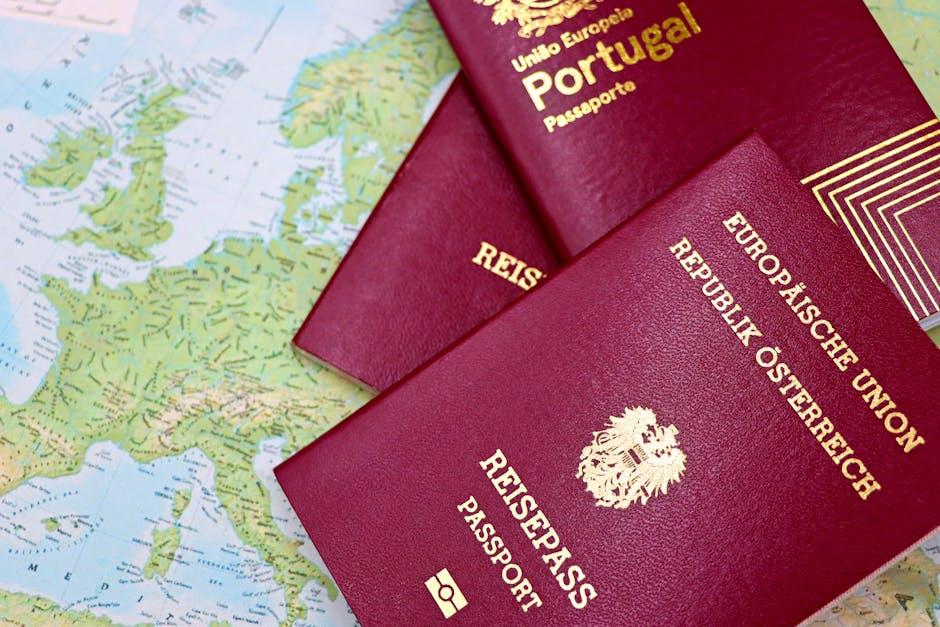
Across continents, governments have embraced Citizenship by Investment (CBI) programs as strategic tools to attract global capital and foster economic development. These initiatives enable investors to obtain a second passport by contributing to a country’s growth through options like real estate, government bonds, or direct donations. The appeal lies not only in mobility but also in financial perks such as tax incentives, banking ease, and expanded business opportunities worldwide. Countries from the Caribbean to Europe have tailored unique offerings, balancing investment thresholds with residency requirements to cater to diverse investor profiles.
Understanding the nuances of these programs requires navigating a complex landscape of benefits and responsibilities. Many CBI options boast quick processing times—sometimes as short as three months—while others integrate longer residency periods before citizenship eligibility. Key factors to weigh include:
- Investment types and minimum amounts – Ranging from direct donations to tangible assets
- Visa-free travel access – Which passports unlock the broadest horizons?
- Tax implications and legal obligations – Safeguarding compliance on both home and host countries
- Reputation and political stability – Ensuring long-term security for your new nationality
| Country | Minimum Investment | Processing Time | Visa-Free Access |
|---|---|---|---|
| St. Kitts & Nevis | $150,000 (donation) | 3 months | 157 countries |
| Portugal | €280,000 (real estate) | 6-12 months | 190 countries |
| Malta | €690,000 (donation + investment) | 12-14 months | 185 countries |
| Turkey | $400,000 (real estate) | 6 months | 110 countries |
Evaluating Eligibility Criteria and Application Processes
Understanding the specific conditions that govern citizenship-by-investment programs is crucial for any aspiring applicant. Eligibility requirements often extend beyond financial commitments to include age limits, health prerequisites, clean criminal records, and occasionally, linguistic or cultural knowledge evaluations. Some countries demand a minimum duration of residency, while others streamline the process with no such stipulations, emphasizing economic contribution alone. Identifying these nuances early can save time and resources, ensuring your application aligns perfectly with the legal framework of the chosen nation.
Application procedures typically combine rigorous documentation with methodical steps to verify authenticity and intent. Most programs require:
- Comprehensive personal and financial disclosure
- Background checks conducted by government agencies
- Proof of investment and due diligence fees
Below is a simplified overview of common application phases, aiding in visualizing the journey from submission to approval:
| Phase | Typical Duration | Key Action |
|---|---|---|
| Initial Application | 2-4 weeks | Document submission and fee payment |
| Due Diligence | 6-12 weeks | Background verification and security checks |
| Investment Confirmation | 1-3 weeks | Proof of fund transfer and eligibility validation |
| Citizenship Granting | 2-8 weeks | Issuance of passports or citizenship certificates |
Being well-informed about these layers ensures you approach the process with clarity and preparedness, unlocking borders through strategic investment with confidence and compliance.
Maximizing Your Investment for Faster Residency and Citizenship
Investing strategically involves more than just capital infusion; it’s about aligning your financial resources with the fastest pathways to residency and citizenship. Researching programs that offer accelerated processing times or bonus incentives can dramatically reduce waiting periods. Additionally, diversifying investments—for instance, combining real estate purchases with government bonds—can not only meet program requirements but also enhance your portfolio’s stability and growth. Leveraging professional advisors who specialize in immigration investment ensures you avoid pitfalls and maximize every dollar spent toward your dream of borderless living.
Consider these crucial tips to amplify your investment’s impact:
- Select countries with flexible residency requirements to ease the transition to citizenship.
- Focus on government-approved projects that guarantee transparent fund allocation.
- Keep abreast of policy changes to seize new opportunities promptly.
- Engage in programs offering family inclusion to uplift your entire household’s status.
| Investment Type | Average Processing Time | Potential Returns |
|---|---|---|
| Real Estate | 6-12 months | 4-8% per annum |
| Government Bonds | 8-14 months | 2-5% per annum |
| Business Ventures | 4-10 months | Varies (8-15%) |
Navigating Legal Considerations and Compliance Requirements
When exploring citizenship through investment programs, understanding the intricate web of legal frameworks is essential. Each country has a unique set of regulations governing eligibility, due diligence procedures, and post-investment obligations. Investors must not only meet financial thresholds but also comply with anti-money laundering (AML) laws, background checks, and residency requirements. Missteps in this phase can lead to delays or outright rejection, emphasizing the importance of working with legal experts who specialize in immigration and international law.
Moreover, compliance doesn’t end once citizenship is granted. Many jurisdictions impose ongoing reporting duties and tax obligations that investors must heed. The following table highlights key compliance focal points across popular citizenship-by-investment countries:
| Country | Due Diligence Level | Residency Requirement | Post-Citizenship Taxation |
|---|---|---|---|
| St. Kitts & Nevis | High | None | None (territorial tax) |
| Malta | Very High | 12 months | Worldwide income taxed |
| Dominica | Moderate | None | No foreign income tax |
- Conduct thorough due diligence before choosing a program.
- Engage qualified legal counsel to navigate changing regulations.
- Understand your ongoing obligations to avoid compliance pitfalls.
Expert Tips for Choosing the Right Country and Investment Pathway
When considering citizenship through investment, it’s essential to evaluate more than just the financial commitment. Geopolitical stability, ease of travel, tax implications, and lifestyle quality are critical factors that should influence your choice. For instance, countries with extensive visa-free access can dramatically enhance global mobility, while those with favorable tax regimes may provide long-term economic benefits. Additionally, some nations offer faster processing times or more transparent legal frameworks, reducing the uncertainty often associated with these programs.
Investment pathways vary widely, from real estate purchases to direct government contributions or business development. Weigh the pros and cons carefully by asking yourself:
- What is the minimum investment threshold? Lower thresholds might be more accessible but may come with stricter requirements.
- Is the investment liquid, allowing for eventual exit or resale?
- Does the program require physical residency or ongoing commitments?
- What are the secondary benefits? These can include family inclusion, work rights, or access to education.
In Summary
As the world becomes ever more interconnected, the pathways to global citizenship continue to evolve, offering unprecedented opportunities for those ready to invest in their future beyond borders. Unlocking citizenship through investment is not merely a financial transaction—it’s a gateway to new possibilities, diverse cultures, and expanded horizons. Whether motivated by business ambitions, personal freedom, or a desire for security, understanding the nuances of these programs empowers individuals to make informed, strategic choices. In the end, citizenship is more than a status; it’s the key to a world without limits.