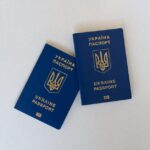
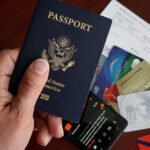
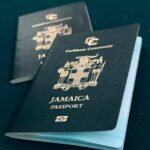
In a world increasingly connected yet often divided by invisible lines, the passport stands as a powerful key—unlocking borders, opening doors, and bridging cultures. But beyond the familiar booklet stamped with international seals lies a complex tapestry of rules, privileges, and histories that shape what it truly means to hold a foreign passport. Whether you’re a wanderlust-driven adventurer, a dual citizen navigating identity, or simply curious about the nuances of global mobility, this guide delves into the intriguing world of foreign passports, unraveling their secrets and clarifying what they mean in today’s ever-changing landscape. Welcome to “Unlocking Borders: A Guide to Foreign Passports Explained.”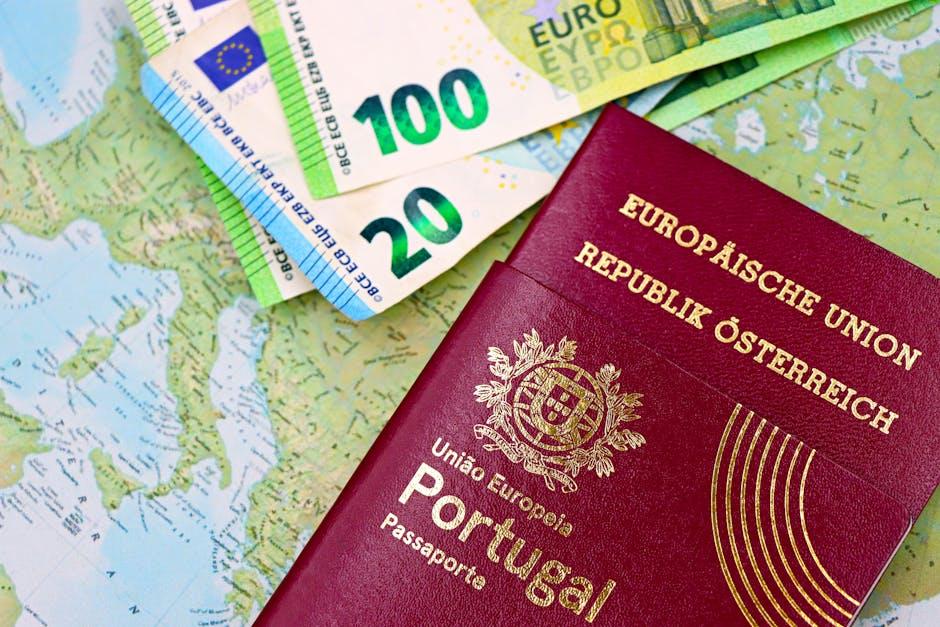
Understanding the Value of Foreign Passports in Global Mobility
Foreign passports often serve as powerful keys unlocking a world of opportunities beyond borders. They are more than mere travel documents; they embody freedom, access, and a dynamic lifestyle. Possessing a passport from a country with strong diplomatic relations and visa-free access can significantly ease international travel, reduce bureaucratic hurdles, and even open doors to increased business ventures or education prospects. Global mobility is inherently tied to the document’s power, which varies based on geopolitical relationships, visa agreements, and international trust.
Understanding this value involves examining not only the number of countries accessible without a visa but also benefits like residency rights, work permissions, and consular protection abroad. Below is a snapshot illustrating how different passports rank in terms of visa-free travel freedom, an essential factor in global mobility:
| Passport | Visa-Free Countries | Additional Benefits |
|---|---|---|
| Japan | 193 | Strong consular support, extensive bilateral agreements |
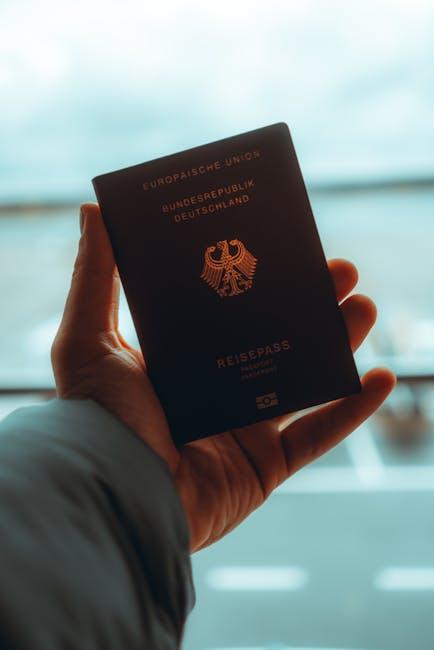
| Germany | 190 | EU residency & work rights, travel-friendly zones |
| United Arab Emirates | 178 | Business hubs access, tax incentives abroad |
| Brazil | 171 | Mercosur residency benefits, growing international agreements |
Examining Eligibility Criteria and Application Processes
Gaining a foreign passport often requires navigating a maze of eligibility rules that differ widely based on nationality and country policies. Common prerequisites include proof of ancestry, continuous residency, financial stability, language proficiency, and sometimes even community integration tests. Each pathway—whether through descent, naturalization, marriage, or investment—demands specific documentation and offers unique timelines. Understanding these nuances early can save applicants from frustration and increase the chances of a successful application.
Application processes themselves can range from straightforward online submissions to complex multi-stage procedures involving interviews and background checks. To better visualize the journey, consider the following checklist of typical steps:
- Eligibility verification and document collection
- Filling out application forms accurately
- Payment of fees and submission
- Scheduling and attending interviews or biometric appointments
- Awaiting processing and decision notification
| Eligibility Pathway | Key Requirement | Average Processing Time |
|---|---|---|
| Ancestry | Proof of descent with certified documents | 6-12 months |
| Naturalization | Residency + language test | 1-3 years |
| Investment | Minimum financial commitment | 3-6 months |
Navigating Legal and Ethical Considerations Abroad
When venturing beyond your homeland with the freedom of a foreign passport, it’s crucial to understand that the legal landscape can shift dramatically from one country to another. What is considered routine or permissible at home might be heavily regulated or outright prohibited abroad. With this in mind, familiarizing yourself with local laws on residency, work, and even daily activities can save you from pitfalls that jeopardize your travel or stay. Moreover, some nations impose specific reporting obligations for foreign nationals, including mandatory registrations or visa renewals that, if overlooked, can lead to fines or deportation.
Ethical considerations should also temper your actions. Respecting cultural norms, privacy expectations, and environmental laws sends a powerful message of goodwill and responsibility. Here are a few key points to keep on your radar:
- Respect Local customs: Even if unwritten, these shape acceptable behavior.
- Adhere to visa conditions: Overstaying—even unintentionally—can have serious consequences.
- Protect your data: Different countries have varying privacy laws affecting how your personal information is handled.
- Avoid exploiting legal loopholes: Leveraging foreign passports should never skirt ethical norms or local statutes.
Maximizing Benefits Through Strategic Passport Choices
Choosing the right passport can be a game-changer, unlocking opportunities that go beyond mere travel convenience. By strategically selecting a passport based on your lifestyle, business goals, or family needs, you not only gain access to broader visa-free travel but also enhance your global mobility with perks such as tax optimization and ease of international business operations. Countries with dual citizenship policies can offer a unique combination of benefits, allowing you to enjoy social services, education, and healthcare systems across borders.
Consider the following factors when weighing your options:
- Visa-free access: Evaluate which countries you want unrestricted entry to, whether for business or leisure.
- Tax implications: Some passports can provide favorable tax treatments or help diversify financial risk.
- Political stability: Holding citizenship from a stable nation can offer safety nets against geopolitical uncertainties.
- Residency requirements: Understand the commitment needed to maintain or acquire the passport.
| Passport Feature | Benefit | Ideal For |
|---|---|---|
| High Visa-Free Score | Travel freedom | Frequent travelers |
| Tax Benefits | Wealth optimization | Business owners, investors |
| Dual Citizenship Allowed | Access multiple markets | Global families |
| Residency Flexibility | Minimal stay requirements | Nomads, remote workers |
Practical Tips for Maintaining and Renewing Multiple Passports
Juggling multiple passports requires a sharp organizational system. Begin by setting digital reminders well ahead of each passport’s expiration date. Many travelers use calendar apps with alert functions to give themselves a six-month cushion—this buffer is especially critical, as numerous countries require passports to be valid for at least half a year upon entry. Equipping yourself with a dedicated, secure travel folder—either physical or digital—can help store key documents such as renewal forms, official correspondence, and visas, reducing the risk of lost paperwork and last-minute scrambles.
Additionally, understanding and tracking the specific renewal protocols for each nationality is vital to avoid pitfalls. Some countries mandate in-person visits to consulates or embassies, while others allow online applications or mail-in renewals. Here’s a quick guide:
| Passport Type | Renewal Method | Lead Time | Key Tip |
|---|---|---|---|
| EU Passport | Online or In-Person | 8 weeks | Book appointments early |
| US Passport | Mail & Online | 6-8 weeks | Use expedited service if urgent |
| Middle Eastern Passport | In-Person Required | 4-6 weeks | Prepare additional documentation |
| Asian Passport | Varies by country | 4-10 weeks | Consult embassy websites regularly |
- Stay proactive: Don’t wait until a passport expires to start the renewal process; international travel plans can shift suddenly.
- Keep copies: Maintain both physical and digital copies of your current passports and renewal receipts to streamline identity verification.
- Check entry requirements regularly: Visa rules and passport validity policies can change, so a periodic review is essential.
Final Thoughts
As we close the chapter on the intricate world of foreign passports, remember that these documents are more than just travel tools—they are keys to new opportunities, identities, and horizons. Unlocking borders means understanding the stories, rules, and possibilities woven into each passport’s pages. Whether you seek adventure, security, or connection, grasping the nuances of foreign passports empowers you to navigate the global landscape with confidence and curiosity. So, wherever your journey leads, may your passport be not just a paper, but a passport to discovery.