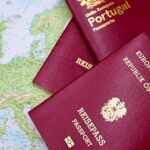
In an increasingly interconnected world, the concept of identity transcends geographical boundaries, weaving a complex tapestry of culture, opportunity, and belonging. Dual nationality passports—once a rarity—have become gateways to new possibilities, enabling individuals to navigate the globe with greater freedom and flexibility. Yet, behind the allure of expanded horizons lie intricate legal frameworks, questions of allegiance, and unforeseen challenges. This exploration into “Unlocking Borders: The Benefits and Challenges of Dual Nationality Passports” delves into how holding two passports can both empower and complicate the modern experience of citizenship, revealing a nuanced portrait of global mobility in the 21st century.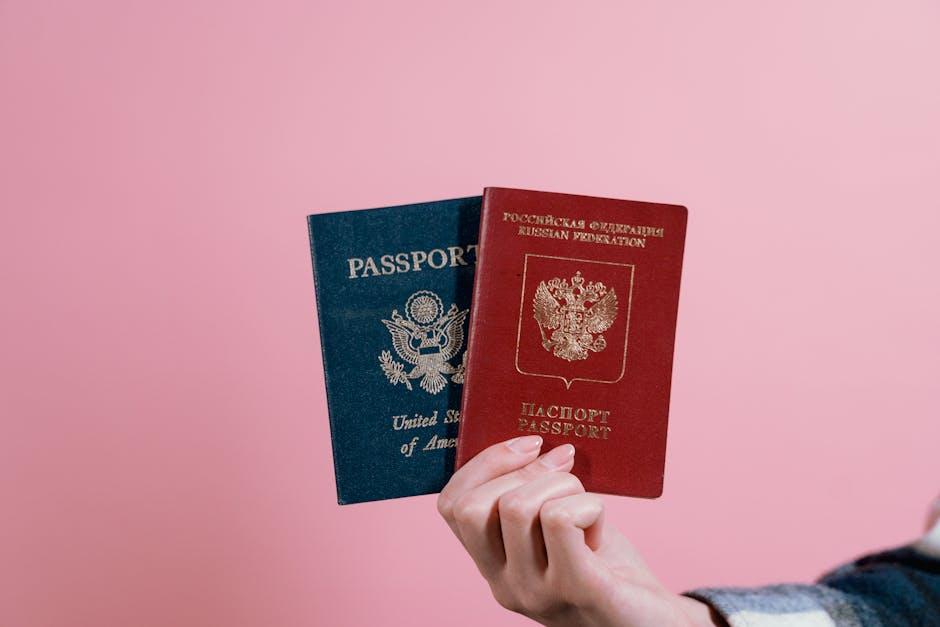
Understanding Dual Nationality Passports and Their Global Impact
Possessing dual nationality passports often acts as a metaphorical key, unlocking access to opportunities that transcend borders. This dual citizenship grants the bearer the ability to immerse themselves in multiple cultures, benefit from diverse social services, and access a wider array of business ventures. Travel freedoms are notably expanded, with dual nationals often navigating visa requirements with greater ease, thereby fostering global mobility for work, education, or leisure. However, this privilege comes with its own set of intricacies, especially when it intersects with conflicting laws, taxation policies, and civic duties imposed by different countries.
One defining challenge lies within the realm of legal identity and allegiance. Dual nationality can lead to complex situations where individuals must juggle responsibilities across legal systems that may not always align. Issues such as compulsory military service, inheritance laws, or even diplomatic protection can become entangled in ambiguity. The following table outlines key considerations that dual passport holders often weigh in their global journey:
| Aspect | Potential Benefit | Possible Challenge |
|---|---|---|
| Travel Flexibility | Visa-free entry to more countries | Conflicting entry/exit requirements |
| Taxation | Potential tax benefits or deductions | Double taxation risks |
| Civic Duties | Right to vote in multiple elections | Obligations like military service |
Navigating Legal Complexities and Citizenship Obligations
Holding dual nationality often means juggling a complex web of legal responsibilities that can sometimes feel overwhelming. Different countries impose varied laws related to taxes, military service, and civic duties which can conflict or overlap. For instance, you might be required to file tax returns in both nations, regardless of where you currently reside. Failure to comply can lead to penalties or loss of privileges. Understanding these legal frameworks is essential to avoid surprises and ensure a smooth experience when navigating your rights and obligations.
Moreover, citizenship obligations extend beyond financial or legal matters. Some countries expect citizens to participate actively in societal duties such as voting, jury service, or conscription. Below is a comparative snapshot of common obligations faced by dual nationals:
| Obligation | Country A | Country B |
|---|---|---|
| Tax Filing | Mandatory annually | Required if income exceeds threshold |
| Military Service | Optional for dual nationals | Compulsory for males under 25 |
| Voting Rights | Voting allowed via embassy | In-person voting only |
In the face of such obligations, staying informed and seeking legal counsel can transform potential pitfalls into manageable responsibilities—turning dual nationality from a challenge into an empowering asset.
Exploring Economic and Social Advantages of Holding Multiple Passports
Addressing Security Concerns and Identity Verification Challenges
With the increasing ease of global travel and migration, dual nationality passports have introduced a complex layer to security systems worldwide. Governments must navigate the delicate balance between facilitating mobility and preventing misuse or fraud. One major concern lies in the potential for identity obfuscation when an individual can hold two valid passports with differing personal data or conflicting records. This duality can challenge immigration officials, border security, and law enforcement agencies tasked with maintaining national security. Counteracting these risks requires enhanced biometric verification, cross-national data sharing agreements, and robust technology integration at checkpoints.
Identity verification for dual nationals demands a multi-faceted approach. Traditional photo ID checks often fall short, especially if the passports differ in format or biometric data quality. Advanced tools such as iris scans, fingerprint databases, and AI-powered identity analytics are becoming indispensable. Some countries are forging partnerships to create
- shared identity verification protocols
- real-time alert systems
- standardized biometric data formats
That enhance trust without compromising individual privacy. Below is a quick comparison of common identity verification challenges and innovative solutions being adopted globally:
| Challenge | Innovative Solution |
|---|---|
| Conflicting personal data between passports | International biometric database syncing |
| Fraudulent or forged documents | AI-based forgery detection software |
| Slow manual checks at borders | Automated multi-biometric checkpoints |
Strategies for Maximizing the Benefits of Dual Nationality Passports
To truly harness the power of holding dual nationality passports, it’s essential to navigate the administrative maze tactfully. Start by keeping meticulous records of the rules and obligations from both countries—tax filings, residency requirements, and consular registrations can easily slip through the cracks without proper attention. Leveraging technology helps here: set reminders for renewal dates, visa applications, and mandatory declarations. Also, consider consulting immigration experts who can tailor advice to your unique status, ensuring you maximize benefits such as tax incentives, healthcare access, or business opportunities without unintentionally breaching legal boundaries.
Another smart tactic is to actively capitalize on the mobility advantages your dual passports offer. Map out global travel plans that exploit visa-free access, reducing costs and enhancing convenience. For example, one passport may grant effortless entry to certain continents or regional blocs like the EU or ASEAN, while the other opens doors in the Americas or Oceania. Beyond travel, use your dual status strategically for employment or education; apply to job markets or universities where citizenship offers preferential treatment. By crafting a personalized, strategic approach, dual nationals can transform complex paperwork into a passport to endless possibilities.
Key Takeaways
As the world grows increasingly interconnected, dual nationality passports stand as both gateways and puzzles—offering unprecedented freedom while inviting complex questions about identity, loyalty, and legality. Unlocking borders through these documents can open doors to new opportunities, richer cultural experiences, and expanded horizons. Yet, the journey is not without its challenges, requiring thoughtful navigation of the intricate web of rights and responsibilities they entail. In embracing the benefits while acknowledging the complexities, dual nationality passports invite us to rethink notions of belonging and citizenship in an ever-evolving global landscape.