In an era where global mobility is both a privilege and a strategic asset, the concept of nationality is evolving beyond birthplace and heritage. The rise of the passport for investment—an innovative gateway where economic contribution unlocks the doors to new countries—signals a transformative shift in how borders are crossed and opportunities embraced. This article delves into the intriguing world of investment-driven citizenship, exploring how wealth, vision, and globalization converge to redefine identity, residency, and the power of the passport in the 21st century.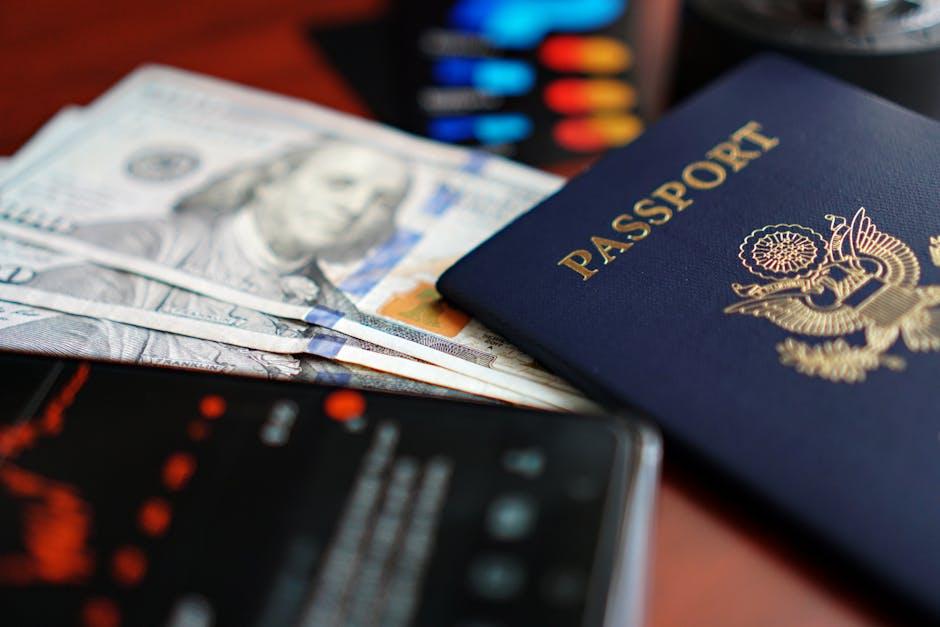
The Evolution of Global Mobility Through Investment Passports
In recent decades, the concept of global mobility has undergone a profound transformation, with traditional passports evolving from simple travel documents into powerful symbols of strategic citizenship. Investment passports have emerged as a disruptive force, offering individuals new pathways to freedom, security, and economic opportunity. These programs allow investors to acquire citizenship or residency by contributing financially to a host country, thus unlocking doors across continents that were once tightly sealed by geopolitical restrictions. This shift has not only changed the way states compete for wealth and talent but also redefined the value of a passport beyond its conventional borders.
Today’s investment passport landscape is characterized by a dynamic blend of economic incentives and regulatory frameworks. Countries craft these schemes as engines of growth, aiming to attract high-net-worth individuals who bring capital, entrepreneurship, and global connections. Key highlights of the evolution include:
- Enhanced flexibility: Multiple program options tailored to different investment levels and sectors.
- Streamlined processes: Faster application reviews and reduced bureaucratic hurdles.
- Global acceptance: Increasing visa-free travel benefits, uniting a network of countries eager to welcome new citizens.
| Year | Milestone | Impact |
|---|---|---|
| 1984 | First citizenship-by-investment program launched | Set a precedent for modern mobility through investment |
| 2000s | Expansion of residency-by-investment programs | Wider access and diverse investment options |
| 2015 | Increased regulation and due diligence | Enhanced transparency and security |
| 2020s | Integration of digital identity verification | Simplified processes and global scalability |

Understanding the Economic Impact on Host Countries
Economic dynamics in countries offering passports for investment unfold as complex yet intriguing phenomena. These programs allure a wave of capital influx, which can turbocharge local development and reshape fiscal landscapes. Investors bring in fresh liquidity that often gets channeled into vital sectors like real estate, infrastructure, and tourism, sparking growth and employment. However, the picture isn’t uniformly positive—host nations must vigilantly balance the immediate financial gains with long-term socio-economic equity, ensuring benefits trickle down rather than cluster among elites.
The ripple effects measure across several dimensions:
- Boost in foreign direct investment: Increased capital flows stimulate economic activities and enhance international trade opportunities.
- Job creation: New ventures springing from investment projects engage local labor markets.
- Real estate appreciation: Demand for property escalates, sometimes inflating housing costs for residents.
- Regulatory challenges: Governments face pressure to maintain transparency and prevent misuse by illicit actors.
| Economic Indicator | Pre-Investment Passport Program | Post-Investment Passport Program |
|---|---|---|
| Annual Foreign Capital Inflow | $150M | $500M |
| Unemployment Rate | 8.7% | 6.2% |
| Real Estate Price Index | 100 | 135 |
Navigating Legal Frameworks and Regulatory Challenges
Venturing into the realm of investment passports means traversing a complex network of legal and regulatory terrain. Countries each have distinct frameworks influencing the eligibility, process, and benefits conferred by such passports. Understanding these nuances is essential for investors aiming to optimize their strategies without falling afoul of compliance standards. Key legal considerations often revolve around:
- Citizenship laws dictating dual nationality acceptance or renouncement requirements.
- Anti-money laundering (AML) and know your customer (KYC) protocols ensuring transparency.
- Tax regulations affecting residency and investment returns.
The intricate maze is further complicated by frequent updates and geopolitical shifts that may alter eligibility or benefits instantly. Navigating these waters demands proactive legal counsel and rigorous due diligence. To illustrate, here’s a concise comparison of regulatory steps involved in select jurisdictions:
| Country | Primary Legal Requirement | Processing Time | Ongoing Compliance |
|---|---|---|---|
| Malta | Residency + investment proof | 12-18 months | Annual financial audits |
| Portugal | Real estate purchase | 6-12 months | Renewal every 2 years |
| St. Kitts & Nevis | Donation to development fund | 3-6 months | Minimal post-approval checks |
Tailoring Investment Passports for Diverse Investor Profiles
Investment passports are no longer one-size-fits-all solutions. As global investor needs evolve, so too must the passports designed to facilitate their mobility and financial ambitions. Modern programs are carefully crafted to align with an investor’s unique financial goals, risk tolerance, and lifestyle preferences. From entrepreneurs seeking rapid market access to families prioritizing quality of life and education, these offerings provide tailored benefits such as expedited residency options, tax advantages, or flexible investment vehicles. This bespoke approach creates a seamless match between passports and personal ambition, ensuring each investor gets more than just access — they gain a lifestyle optimized for growth.
Different investor profiles bring diverse expectations, calling for dynamic passport frameworks that adapt accordingly. Consider the following investor typologies:
- High-Net-Worth Individuals: Favor diversified investment options with robust legal protections and privacy.
- Digital Nomads: Seek rapid processing times and digital-first application processes.
- Family-focused Investors: Value educational opportunities, healthcare access, and stable socio-political environments.
- Retirees: Prioritize peaceful locales, favorable tax regimes, and healthcare infrastructure.
| Investor Type | Key Preference | Passport Feature Highlight |
|---|---|---|
| Entrepreneur | Market Entry Speed | Fast-track processing |
| High-Net-Worth | Diversification & Privacy | Multiple investment pathways |
| Family Oriented | Education & Stability | Access to top schools |
| Retiree | Healthcare & Tax Benefits | Residency in peaceful regions |
Strategic Recommendations for Maximizing Benefits and Minimizing Risks
To fully leverage the opportunities presented by investment-based passports, it is crucial to conduct thorough due diligence on the countries offering these programs. Consider factors like political stability, economic growth potential, and global diplomatic relations before committing. Equally important is understanding the legal obligations and tax implications associated with acquiring a second citizenship, which vary widely and can impact your financial planning. Engaging professional advisors — from immigration lawyers to financial consultants — can safeguard your investments and ensure smooth navigation through complex regulatory frameworks.
Mitigating risks involves a proactive approach to transparency and compliance. Vetting all sources of funds rigorously, adhering to anti-money laundering (AML) standards, and maintaining up-to-date documentation dramatically reduce exposure to legal challenges and reputational damage. Below is a quick reference table outlining key strategic actions and their benefits:
| Strategy | Benefit |
|---|---|
| Comprehensive Country Research | Informed decision-making |
| Professional Advisory Support | Regulatory compliance |
| Strict Documentation & AML Compliance | Risk minimization |
| Regular Policy Updates Review | Opportunity maximization |
In Summary
As the world grows increasingly interconnected, the concept of borders is evolving beyond geography into spheres of opportunity and access. The rise of passports for investment reflects this shift—transforming national identity into a dynamic asset that opens doors to new horizons. While the implications of this trend continue to unfold, one thing is clear: the passport of tomorrow is not just a travel document, but a key to unlocking a broader world of possibilities.