Behind every passport fee lies a story more complex than the price tag suggests. While we often see it simply as a routine expense for travel or identification, the true cost encompasses a web of factors—from administrative processes and security measures to international regulations and technological investments. In this article, we will peel back the layers to reveal what really goes into the fee you pay for your passport, unlocking the hidden costs behind this essential document and offering a clearer understanding of its value beyond the surface.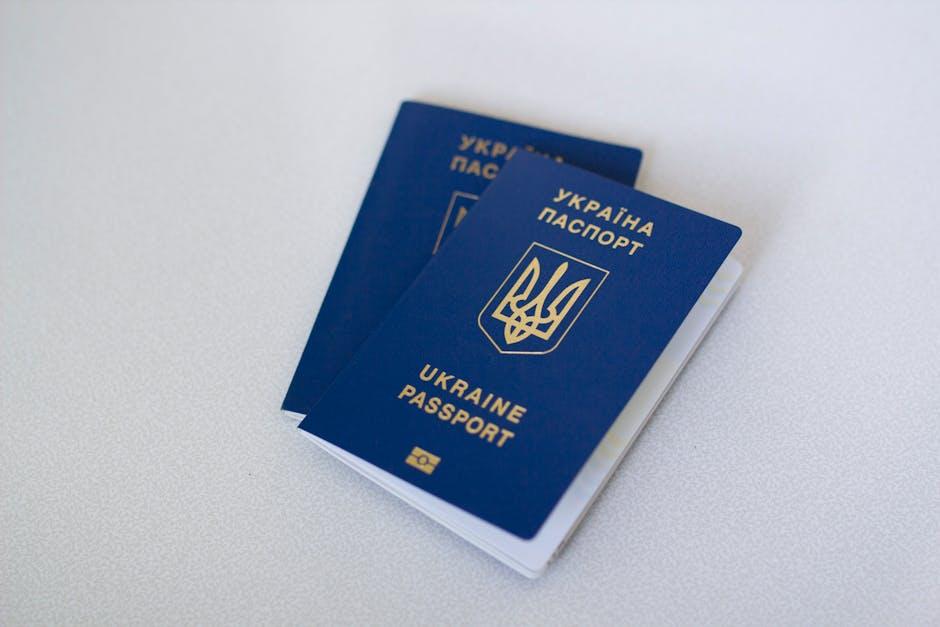
Understanding the Breakdown of Passport Fees
Many travelers assume the passport fee is a straightforward charge, but the reality is a blend of multiple factors working behind the scenes. These fees cover administrative costs, including secure document production and identity verification processes. The intricate technology embedded in each passport – from tamper-proof holograms to biometric chips – significantly raises production expenses. Additionally, government agencies allocate a portion of the fee toward staffing and operational costs that ensure passports are issued accurately and efficiently.
Understanding the fee’s components offers a clearer picture of its breakdown:
- Application Processing: Handling paperwork and verifying applicant information.
- Security Features: Incorporating advanced anti-fraud technology.
- Materials: Durable and secure physical materials like polycarbonate data pages.
- Service Fees: Covering expedited processing or premium service options.
| Fee Component | Approximate Cost Percentage |
|---|---|
| Production & Materials | 40% |
| Administrative Processing | 30% |
| Security & Verification | 20% |
| Additional Services | 10% |
Hidden Charges and Their Impact on the Total Cost
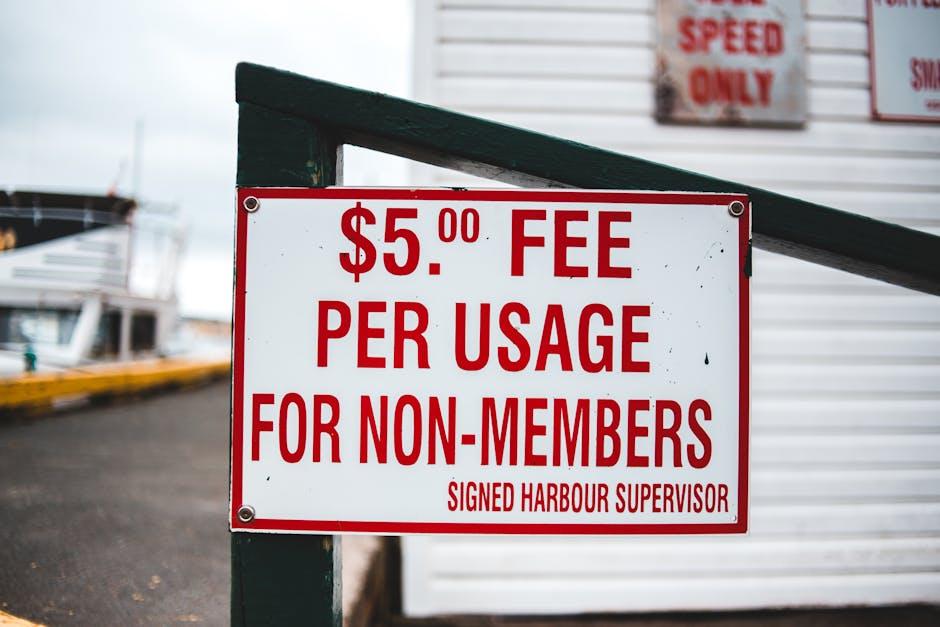
When budgeting for a new passport, the initial fee often appears straightforward, yet a myriad of additional costs frequently lurk beneath the surface. These hidden expenses can include processing surcharges, expedited service fees, and charges for optional items such as passport covers or photo services. Overlooking these can substantially inflate the total amount you eventually pay, catching many applicants off guard. It’s crucial to anticipate that while the base fee sets the foundation, ancillary fees can push the final cost upwards by 20-30%, or even more in cases of rapid processing needs.
To better visualize how these extras accumulate, consider the example below that breaks down typical passport cost components:
| Cost Component | Estimated Amount | Notes |
|---|---|---|
| Base Passport Fee | $110 | Standard 10-year validity |
| Processing Fee | $35 | Mandatory in some regions |
| Expedited Service | $60 | Optional, for faster turnaround |
| Passport Photo | $15 | Required, unless self-supplied |
| Delivery/Shipping | $10 | Optional, based on preference |
- Unexpected add-ons: Fees for form corrections or additional documentation.
- Location-specific charges: Some countries impose regional taxes impacting overall costs.
- Payment method fees: Credit card or online payment surcharges that are often overlooked.
Awareness and early research on these facets not only prevent surprises but also empower applicants to plan their finances effectively, unlocking the true cost behind what might initially seem like a simple passport fee.
Comparing Passport Costs Across Different Countries
When diving into the world of passport fees, you’d be surprised how the cost varies dramatically from one country to another. Some nations keep it incredibly affordable, often under $50, while others have set the bar much higher, with fees soaring over $200. These differences aren’t random; they often reflect the government’s processing speed, security features embedded in the passport, and administrative expenses. For example, countries with advanced biometric passports or expedited services usually charge a premium to cover the technological investment.
To give a clearer picture, here’s a brief snapshot comparing the fees of a standard passport from a selection of countries:
| Country | Standard Passport Fee | Processing Time | Notable Features |
|---|---|---|---|
| Canada | $120 CAD (5 years) | 10-20 business days | Biometric chip included |
| Kenya | $100 USD | 15 business days | Multiple visa pages |
| United Kingdom | £75.50 (10 years) | 3 weeks | Optical variable device |
| Japan | ¥16,000 | 1 week | High durability paper |
| Brazil | $70 USD | 6 business days | Security holograms |
Ultimately, the fee you pay is a blend of cost recovery, ensuring document security, and providing convenience. When planning your travels, it’s worth looking beyond just the price tag to understand what you’re really getting in return. Whether it’s the speed of delivery, advanced fraud protection, or longevity, each passport fee holds its own story.
Tips for Reducing Your Passport Application Expenses
Cutting down on passport application costs doesn’t have to feel like a chore. Start by organizing all your documents in advance—lost or missing paperwork often leads to expensive resubmissions. Another clever move is timing your application wisely; avoid peak travel seasons when expedited processing fees surge. Additionally, using official government websites directly ensures you dodge unnecessary third-party charges. Remember, a little research can unveil fee waivers or reduced rates for specific groups such as students, seniors, or low-income applicants.
Consider taking advantage of bulk submissions if you’re applying for multiple family members or group travel plans. Some agencies offer discounts or streamlined services that cut costs and save time. Here’s a quick breakdown of common hidden expense areas and smart alternatives:
| Expense Area | Typical Cost | Cost-Saving Strategy |
|---|---|---|
| Processing Speed | $60 – $120 | Apply early, avoid rush fees |
| Photograph Services | $10 – $25 | Use compliant self-taken photos |
| Courier Fees | $15 – $40 | Utilize regular mail with tracking |
Navigating Fee Changes and Staying Informed
Fee adjustments can feel like a moving target, often complicating your budgeting plans. Staying ahead requires a proactive approach—actively checking official government websites and subscribing to newsletters ensures you won’t miss any announcements. Remember, price changes can be influenced by administrative updates, production costs, or shifts in government policy, so the key is to remain vigilant and adaptable.
To streamline your efforts, focus on these essential tips:
- Set calendar reminders for fee review dates or expected announcements.
- Follow official social media channels as they often share timely updates.
- Consult local passport offices directly for the most accurate and current information.
| Source | Update Frequency | Type of Information |
|---|---|---|
| Government Passport Portal | Monthly | Fee schedules and policy changes |
| Social Media | Daily | News, reminders, and brief alerts |
| Local Offices | As Needed | Specific regional fee variations and application tips |
Wrapping Up
As we peel back the layers of passport fees, it becomes clear that the price on the surface is only part of the story. Behind each dollar lies a complex web of services, security measures, and administrative efforts that keep global travel moving smoothly. Understanding these hidden costs not only demystifies the final fee but also invites us to appreciate the balance between convenience, safety, and expense. So next time you hold your passport, remember—it’s more than just a travel document; it’s a reflection of a system working diligently behind the scenes, one that’s worth every cent.