Behind the sleek cover and official seal of your passport lies a complex web of expenses that often goes unnoticed. While the price tag might seem straightforward at first glance, the true cost of obtaining and maintaining this vital document extends far beyond the application fee. From administrative overheads and security measures to international agreements and hidden surcharges, unlocking the real price of your passport reveals a fascinating blend of bureaucracy and investment. In this article, we peel back the layers to explore what you really pay for your passport—and why it’s more than just a ticket to travel.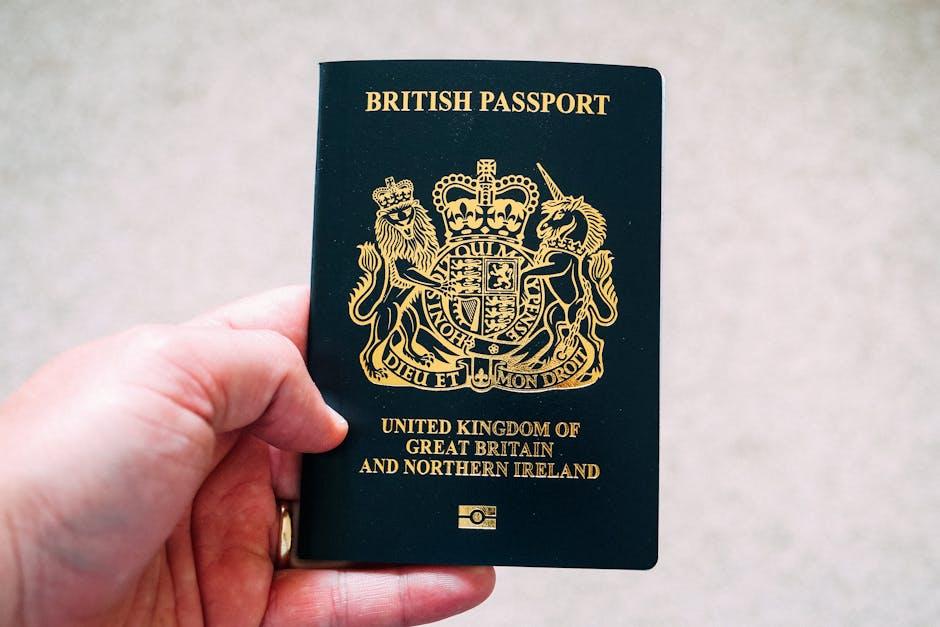
Understanding the Breakdown of Passport Fees
When you hand over the fees for a passport, it’s easy to assume the amount simply covers the booklet itself. However, the reality is far more complex. The overall cost is a combination of various essential components that ensure your travel document is both secure and valid. These include application processing, identity verification, and security features embedded in every page, such as biometric data and anti-forgery measures. Each of these layers contributes to safeguarding your identity and protecting your travel privileges worldwide.
Additionally, administrative expenses play a pivotal role. These cover the personnel handling your application, the maintenance of the IT systems involved, and even international coordination to uphold global travel standards. To clarify the typical distribution of fees, here’s a straightforward breakdown:
| Fee Component | Approximate Percentage |
|---|---|
| Document Production & Security | 40% |
| Application Processing & Administration | 35% |
| Technology & Infrastructure | 15% |
| International Coordination | 10% |
Hidden Charges That Increase Your Passport Cost
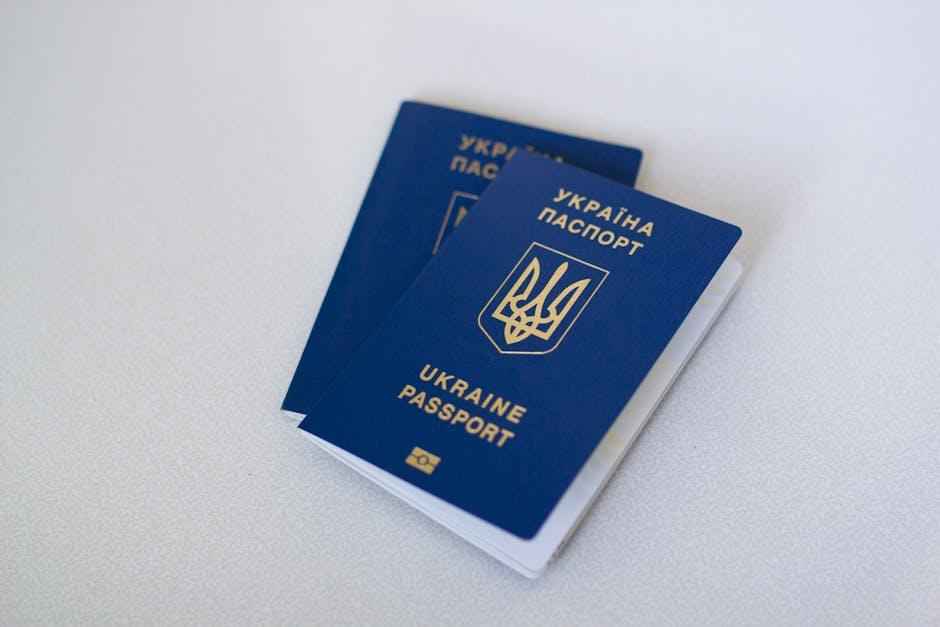
While the sticker price on your passport application may seem straightforward, there are several unexpected fees lurking beneath the surface that quietly inflate the total cost. From expedited service charges to processing fees, these additional expenses can catch applicants off guard. For instance, rushing your passport through the system often demands a premium, sometimes doubling the original fee. Furthermore, obtaining photographs that meet stringent government standards can add to the cost, especially if professional studios are involved. Even seemingly minor conveniences, like mailing your documents via express courier, can start to stack up.
To give you a clearer picture, here’s a breakdown of common hidden charges that contribute to rising passport expenses:
- Expedited Processing: Fees for faster turnaround times.
- Photo Services: Costs for government-compliant passport photos.
- Application Delivery: Postage fees for sending documents securely.
- Consular or Embassies Fees: Extra charges for applications submitted abroad.
- Agent or Courier Fees: When using third-party services to handle submissions.
| Service | Typical Extra Cost | Impact |
|---|---|---|
| Expedited Processing | $30 – $60 | Shortens wait time to 1-2 weeks |
| Passport Photos | $10 – $15 | Compliance with official specs |
| Courier Services | $20 – $40 | Faster and safer document delivery |
How Production and Security Impact Pricing
Behind the sleek design and compact size of a passport lies a complex manufacturing process that significantly influences its cost. Each passport involves high-grade materials resistant to wear and tampering, alongside advanced printing techniques that incorporate holograms, microtext, and UV elements. Beyond aesthetics, these production steps are engineered to ensure durability and longevity, which inevitably adds layers of expense. Consider the typical passport’s layers:
- Polycarbonate data page: Precision molded to resist physical and chemical damage.
- Embedded security fibers: Invisible to the naked eye but critical in authentication.
- Custom inks and foils: Designed to thwart counterfeiters and maintain document integrity.
Security measures embedded within the passport are a primary driver of its pricing. Governments invest substantial resources into biometric chips, anti-counterfeiting technologies, and secure issuance methods that protect the traveler and the issuing country. The constant evolution of these features demands ongoing research, licensing fees, and specialized equipment, all factored into the final cost to applicants.
| Feature | Impact on Price | Description |
|---|---|---|
| Biometric Chip | High | Stores personal data securely for identity verification. |
| Color-shifting Ink | Medium | Changes color under light to prevent forgery. |
| Secure Lamination | Medium | Protects printed details from tampering or damage. |
| Custom Artwork | Low | National symbols printed with precision techniques. |
Tips for Saving Money When Applying or Renewing
Saving money on passport applications or renewals isn’t just about finding the cheapest fee—it’s about being strategic. Start by double-checking all eligibility requirements and gathering necessary documents beforehand. This helps avoid costly reapplications or expedited processing fees. Also, consider timing your application during off-peak seasons; some locations reduce wait times and may offer better service without rush premiums.
Exploring alternative application methods can also lighten your financial load. For instance, applying via mail rather than in-person may save transportation and parking expenses. Look out for fee waivers or discounts available for seniors, students, or members of specific organizations. Here’s a quick guide to optimize your budget:
- Organize documents early – avoid extra trips or re-submissions
- Skip expedited service unless travel plans are urgent
- Use standard application channels to benefit from regular fees
- Check eligibility for fee reductions, especially if applicable
Evaluating Value Beyond the Price Tag
When you think about the cost of a passport, it’s easy to focus solely on the application fee or renewal charges. However, the true expense extends far beyond the initial price tag. Consider the time invested in gathering documents, scheduling appointments, and sometimes even traveling to government offices. These intangible costs can quietly accumulate, turning what seems like a straightforward process into a task that demands both patience and resources. On top of that, expedited services, while convenient, often come with a premium, further inflating the overall expense.
Moreover, there’s the value hidden in what your passport unlocks. It’s not just a booklet—it’s a gateway to global opportunities and experiences. When evaluating value, weighing the tangible fees against the potential personal, professional, and cultural gains is crucial. Here’s a quick glance at factors adding layers to the cost:
- Processing time: Waiting periods can delay plans, inadvertently causing additional expenses.
- Travel insurance: Sometimes necessary to accompany trips abroad.
- Visa application fees: Often required depending on destination and holding country.
- Opportunity costs: Days off work or missed income during application procedures.
| Cost Element | Description | Impact Level |
|---|---|---|
| Application Fee | Base cost charged for issuing the passport. | Medium |
| Time Investment | Hours spent preparing documents and attending appointments. | High |
| Expedited Service | Premium charge for faster processing. | Variable |
| Travel-Related Costs | Visas, insurance, and other trip necessities. | High |
Wrapping Up
As you close the cover on the story of passport costs, remember that what you pay extends far beyond the stamp on your wallet. It’s a blend of security, convenience, and global mobility—an investment tucked into a small booklet. Understanding these hidden fees uncovers the true price of your journey, reminding us that every passport is more than just a travel document; it’s a key to the world, nuanced and complex in value. So next time you apply or renew, you’ll know exactly what lies behind that fee—and perhaps see your passport in a new light.