In a world where borders can both connect and confine, a new form of liberty is quietly reshaping the concept of identity: second citizenship. No longer just a privilege for the elite, this growing trend is unlocking unprecedented freedom for individuals seeking security, opportunity, and a broader sense of belonging. As political landscapes shift and global mobility becomes more vital, the rise of second citizenship is redefining what it means to be a citizen in the 21st century. This article explores the fascinating journey behind this global phenomenon and how it empowers people to transcend traditional limitations, opening doors to new possibilities around the world.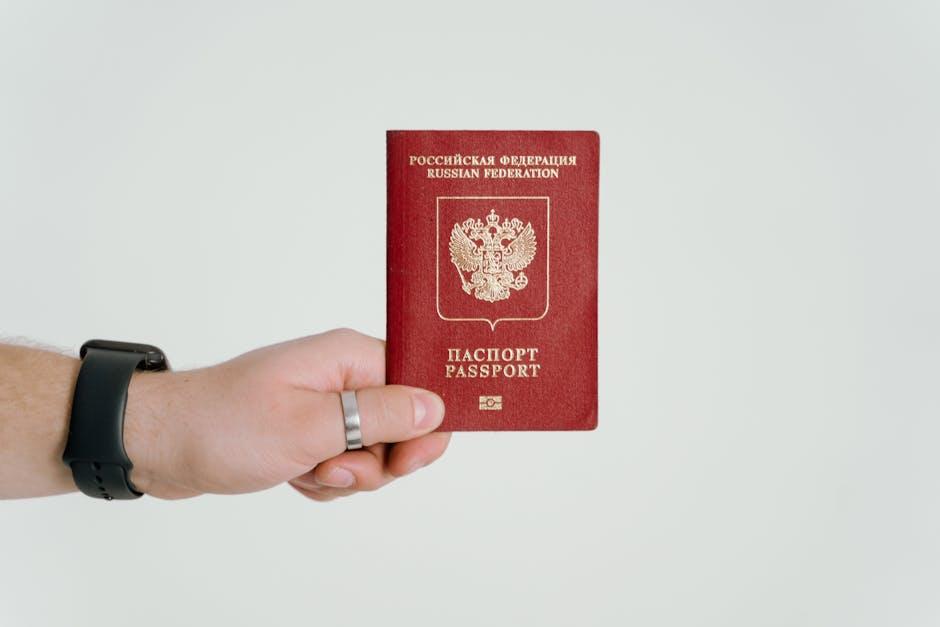
The Global Surge in Second Citizenship Demand
Across continents, an unprecedented wave of interest in acquiring a second citizenship is reshaping how individuals perceive their global identity. This trend transcends mere convenience—it’s a strategic move toward securing enhanced travel freedom, economic opportunities, and personal security. Professionals, entrepreneurs, and families alike are embracing the notion that a second passport is not just a document but a gateway to a more flexible and empowered lifestyle. The rising geopolitical uncertainties and evolving immigration landscapes have only intensified the allure, making dual citizenship a symbol of resilience and foresight.
Key drivers fueling this global phenomenon include:
- Geopolitical Instability—Citizens seek refuge from conflict and unpredictability.
- Economic Diversification—Access to new markets and tax advantages spark interest.
- Educational Access—Parents pursue quality education options for their children worldwide.
- Freedom of Movement—Expanded visa-free travel eliminates barriers.
| Region | Top Second Citizenship Interest | Popular Citizenship-by-Investment Programs |
|---|---|---|
| Europe | Security & Mobility | Portugal, Malta, Cyprus |
| Middle East | Business Expansion | Turkey, UAE |
| Asia | Education Access | St. Kitts & Nevis, Vanuatu |

Understanding the Benefits Beyond Borders
Obtaining a second citizenship offers more than just a change of passport — it opens a gateway to a world of opportunities that transcend geographic limitations. Individuals gain the ability to travel with greater ease, bypassing cumbersome visa regulations and unlocking a smoother global mobility experience. Beyond travel, this status often provides access to diversified investment landscapes, enhanced educational prospects for family members, and even increased personal security in politically or economically volatile regions. It’s about crafting a lifestyle that’s unbound by borders and tailored to individual freedom.
Moreover, second citizenship can serve as a powerful tool for wealth preservation and estate planning. By diversifying residency and tax obligations, many find financial resilience that home country restrictions may not allow. Here’s a glimpse of the key advantages that come with this coveted status:
- Global mobility: Visa-free or visa-on-arrival access to over 100 countries
- Economic diversification: Rights to work, invest, or start businesses abroad
- Access to social services: Health care and education in multiple nations
- Political security: A safe haven amid unrest or instability
| Benefit | Example | Impact |
|---|---|---|
| Visa-Free Travel | Travel to Schengen countries without visa | Saves time and simplifies logistics |
| Business Opportunities | Set up businesses in favorable tax jurisdictions | Boosts global economic engagement |
| Education Access | Eligible for scholarships and local tuition fees | Improves long-term family prospects |
| Political Safety | Emergency passport renewal and consular assistance | Ensures safety during crises |
Navigating Legal Frameworks and Application Processes
Securing a second citizenship is a journey often filled with intricate legal pathways and procedural nuances. Aspiring global citizens must navigate through diverse regulations that vary drastically between countries, reflecting each nation’s unique priorities and concerns. Understanding requirements—from investment thresholds and residency mandates to language proficiency and background checks—is crucial. In this labyrinth, working with expert legal advisors can transform complexity into clarity, ensuring applications adhere to local statutes while maximizing your chances of approval.
The application journey typically involves several key stages, each demanding careful attention:
- Document Compilation: Gathering identification, financial records, and proof of intent forms the foundation of a strong application.
- Compliance Verification: Meeting eligibility criteria, including tax disclosures and health screenings.
- Submission & Waiting: Patience is paramount as governmental bodies conduct thorough evaluations and background checks.
- Approval & Oath Ceremony: Final steps often include formal acceptance ceremonies that solidify your new legal status.
| Stage | Typical Duration | Key Focus |
|---|---|---|
| Preparation | 1-3 months | Collecting & verifying documents |
| Submission | 1 day | Official application filing |
| Processing | 3-12 months | Background & eligibility checks |
| Finalization | 1-2 weeks | Approval notification & oath |
Investment Pathways That Open Doors
Choosing a pathway for second citizenship is less about the destination and more about the journey—one paved with opportunity, strategic foresight, and personalized benefits. Investors today are drawn to programs that not only promise citizenship but unlock a suite of privileges: visa-free travel to coveted regions, robust economic environments, and global networking advantages. From real estate investments in sun-drenched havens to government bonds that stabilize economies, each avenue offers a unique blend of security and flexibility tailored to diverse ambitions.
Here’s a quick glance at popular investment pathways visually summarizing their core attractions and typical minimum commitments:
| Investment Type | Minimum Amount | Typical Benefits |
|---|---|---|
| Real Estate | $200,000+ | Physical asset, rental income, property appreciation |
| Government Bonds | $100,000+ | Fixed returns, low risk, economic support |
| Business Investment | $250,000+ | Job creation, entrepreneurial growth, tax incentives |
| Donation to Development Funds | $100,000+ | Philanthropic impact, quick processing times |
- Flexibility: Multiple options to align with financial portfolios and personal goals.
- Speed: Many programs offer expedited citizenship in under a year.
- Security: Investment routes bolster economic stability for both applicants and host countries.
Strategies for Choosing the Right Second Passport
When considering a second citizenship, it’s crucial to evaluate your personal goals and lifestyle needs. Think beyond mere convenience; factors such as visa-free travel access, potential tax benefits, and economic stability of the second country play pivotal roles. Assessing the political environment and the security of your investment or residency rights can safeguard your future. Implementing a holistic approach that balances legality, financial implications, and cultural compatibility ensures you unlock the maximum benefits that a second passport has to offer.
Another key element to keep in mind is the application process and timeline. Some countries offer fast-track citizenship through investment programs, while others require longer residency periods with stricter documentation. Here’s a quick comparison of popular pathways:
| Country | Pathway | Average Processing Time | Minimum Stay Requirement |
|---|---|---|---|
| St. Kitts & Nevis | Investment | 4-6 months | None |
| Portugal | Residence leading to Citizenship | 5 years | 7 days/year |
| Malta | Citizenship by Naturalization for Exceptional Services | 1-2 years | 12 months |
| Dominica | Investment | 3-4 months | None |
By understanding these variables and tailoring your choice according to your priorities, you can ensure a smoother journey toward unlocking global freedom and security.
To Conclude
As the tapestry of global identity continues to weave ever more intricate patterns, second citizenship emerges not merely as a passport, but as a symbol of choice—a gateway to new opportunities, security, and belonging. In unlocking these doors, individuals rewrite the narrative of freedom, one nation at a time. While the journey toward dual allegiance is complex and nuanced, its rise signals a profound shift in how we conceive citizenship itself: no longer a fixed birthright, but a fluid horizon inviting exploration and reinvention. Ultimately, the story of second citizenship is a testament to humanity’s enduring quest for autonomy in an interconnected world.