In a world where borders are both bridges and barriers, a new form of mobility is quietly reshaping how we move, invest, and belong. Investment passports—citizenships or residency rights granted in exchange for financial contributions—are emerging as powerful keys to unlocking global access. They blend the allure of opportunity with the pragmatism of strategy, offering a passport not just to a new country, but to a broader horizon of possibilities. This evolving trend invites us to explore the intersection of wealth, identity, and freedom in an increasingly interconnected landscape.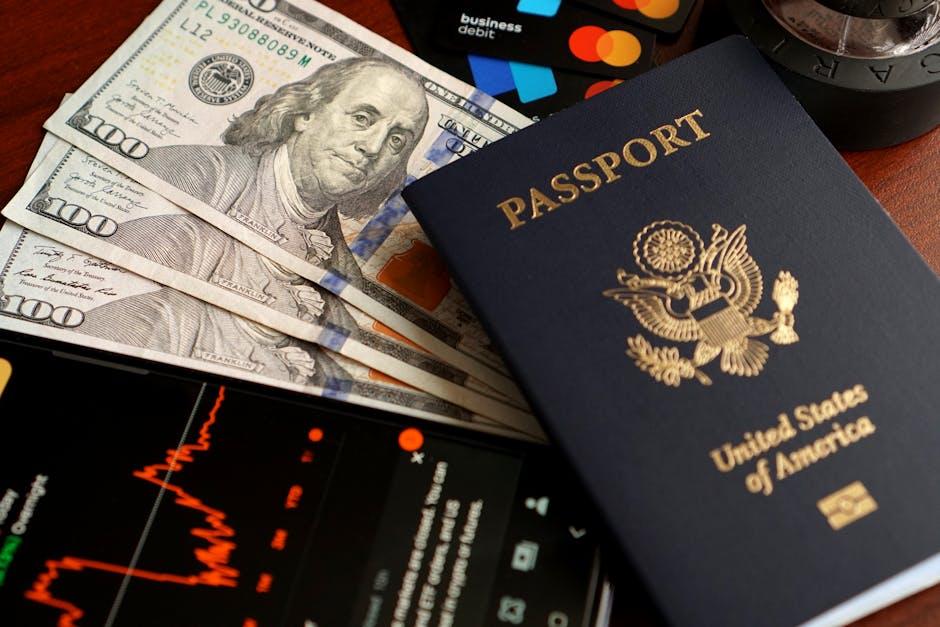
The Evolution of Investment Passports in a Connected World
In an era where borders are increasingly blurred, investment passports have transformed from niche privileges into powerful tools of global integration. Originally designed to attract high-net-worth individuals by offering residency or citizenship in exchange for capital, these programs now embody a broader vision—one of connectivity, mobility, and opportunity. Governments worldwide have adapted, crafting streamlined frameworks that balance economic growth with security. As digitalization accelerates, these passports are evolving beyond traditional paradigms, facilitating seamless cross-border transactions, business ventures, and lifestyle flexibility for global citizens.
The trajectory of investment passports highlights a fascinating intersection of economics, law, and diplomacy. Today’s programs often emphasize sustainability, compliance, and inclusivity, setting them apart from their early predecessors. Consider the table below illustrating the primary features that have defined key generations of investment passports:
| Era | Focus | Typical Benefits | Notable Innovation |
|---|---|---|---|
| 1990s–2000s | Capital Influx | Residency, Tax Incentives | Direct Investment Thresholds |
| 2010s | Global Citizenship | Visa-Free Travel, Economic Diversification | Real Estate & Business Options |
| 2020s | Digital & Green | Remote Application, Sustainability Criteria | Blockchain Verification, ESG Investments |
As we move deeper into a digitally connected era, the role of investment passports continues to expand. They are no longer mere gateways for wealth transfer but bridges fostering cross-cultural dialogue and economic resilience. Investors today seek programs encapsulating transparency, innovation, and social responsibility—making the passport not just a document, but a dynamic symbol of global citizenship in the 21st century.
Key Benefits and Challenges for Global Investors
For global investors, investment passports offer a gateway to unprecedented financial freedom and strategic diversification. By holding such passports, investors gain access to international markets often restricted by traditional citizenship-based barriers. This not only enhances portfolio flexibility but also opens doors to exclusive investment opportunities, including real estate, startups, and government bonds across multiple countries. Enhanced mobility is another significant perk, allowing seamless travel that can facilitate in-person business endeavors and networking that are pivotal to growing international assets.
However, these advantages come paired with intricate challenges that require careful navigation. Investors often face complex due diligence processes, compliance with varying regional regulations, and the risk of fluctuating political landscapes that can affect the stability of their investment passports. Additionally, the financial commitment and ongoing maintenance costs—such as residency requirements or periodic renewals—can be substantial. Below is a concise overview highlighting key benefits versus challenges faced by investment passport holders:
| Advantages | Challenges |
|---|---|
| Enhanced global market access | Complex, evolving regulatory environments |
| Increased travel and business mobility | High initial investment and upkeep costs |
| Portfolio diversification across borders | Potential political & economic instability |
| Opportunity for tax optimization | Stringent compliance and documentation requirements |
Navigating Legal Frameworks and Compliance Requirements
Investing in a passport through citizenship-by-investment or residency programs involves navigating a complex tapestry of laws both locally and internationally. Each country sets its own unique standards regarding financial thresholds, due diligence checks, and documentation. For investors, understanding these nuances is crucial to avoid pitfalls and ensure a smooth application process. Compliance is not only about meeting the financial criteria but also about adhering to anti-money laundering (AML) regulations, tax obligations, and sometimes even cultural integration requirements.
Key factors to consider include:
- Due Diligence Protocols: Varying levels of scrutiny depending on the program’s reputation and security.
- Tax Implications: Potential changes in global tax residency status that can affect personal and corporate liabilities.
- Legal Consultation: Essential for interpreting bilateral agreements and avoiding conflicts with existing citizenships.
| Compliance Aspect | Investor Responsibility | Program Obligations |
|---|---|---|
| AML Verification | Provide transparent financial records | Conduct thorough background checks |
| Tax Residency | Consult tax advisors pre-application | Inform applicants of tax liabilities |
| Document Validity | Submit certified legal documents | Verify and authenticate submissions |
Strategic Considerations for Choosing the Right Investment Passport
When embarking on the journey to secure an investment passport, it’s crucial to weigh not only the immediate financial outlay but also the long-term geopolitical stability and visa-free travel benefits offered by each option. Considerations such as the country’s economic resilience, ease of doing business, and the potential for dual citizenship can significantly impact the value derived from such an investment. A strategic choice goes beyond mere residency—it’s about unlocking doors to international markets, enhancing personal mobility, and ensuring a secure foothold amidst an ever-evolving global landscape.
Keep in mind the following critical factors to tailor an investment passport to your unique global ambitions:
- Timeframe for Approval: Some programs offer rapid processing, while others may stretch over years.
- Investment Requirements: From real estate purchases to government bonds, understanding the minimum threshold is vital.
- Travel Freedom: The number and prestige of visa-free countries accessible with the passport.
- Taxation Policies: How the passport impacts your global tax obligations.
- Residency Obligations: Whether there are physical stay requirements to maintain the passport’s validity.
| Factor | High Priority | Additional Notes |
|---|---|---|
| Processing Speed | Under 6 Months | Essential for urgent relocation needs |
| Investment Amount | $100K – $500K | Varies by country and investment type |
| Visa-Free Access | 100+ Countries | Key for frequent global travelers |
| Physical Presence | No/Minimal Requirements | Optimal for flexibility |
Maximizing Opportunities Through Informed Decision Making
When considering investment passports, the key to unlocking their full potential lies in a well-researched approach. Investors who delve into the nuances of global markets, regulatory environments, and geopolitical climates gain a crucial edge. Making decisions rooted in comprehensive data ensures access to diverse economic landscapes, enhanced mobility, and strategic tax benefits. By prioritizing thorough analysis, investors can position themselves to seize opportunities that might otherwise go unnoticed, transforming passports from mere travel documents into powerful tools for global wealth growth.
To navigate this complex domain effectively, consider these essential factors that influence the value of an investment passport:
- Economic Stability: Select countries with resilient economies to safeguard your investments.
- Visa-Free Access: Prioritize passports offering wide-ranging travel freedoms.
- Tax Efficiency: Evaluate countries with favorable tax regimes to optimize returns.
- Legal Safeguards: Ensure robust investor protection laws are in place.
| Passport Feature | Benefit |
|---|---|
| Dual Citizenship | Access to multiple markets simultaneously |
| Global Mobility | Visa-free or visa-on-arrival for 150+ countries |
| Investment Options | Diverse sectors: real estate, bonds, startups |
| Tax Optimization | Lower tax burdens and incentives |
To Conclude
As the world becomes increasingly interconnected, investment passports stand as gateways to new horizons—offering more than just a visa, but a passport to opportunity, security, and freedom. While not without complexities, these programs reflect a shifting landscape where mobility and investment intertwine, reshaping how we think about citizenship and belonging. In unlocking global access, investment passports invite us to imagine a future where borders serve as bridges, and the pursuit of prosperity knows no bounds.