In a world where borders are no longer just lines on a map but gateways to opportunity, the concept of citizenship is undergoing a profound transformation. “Unlocking Horizons: The Rise of Second Citizenship Worldwide” delves into this evolving landscape, where individuals seek not just a passport, but access to new possibilities—be it economic freedom, personal security, or global mobility. As more people navigate the complexities of nationality, this phenomenon reveals far-reaching implications for identity, geopolitics, and the future of belonging itself. Journey with us as we explore how second citizenship is reshaping the way we define home in the 21st century.
Unlocking New Opportunities Through Second Citizenship
Embracing a second citizenship opens doors to a world of possibilities beyond geographical borders. It provides the freedom to travel with fewer restrictions, access diverse educational systems, and explore varied healthcare options. For many, it becomes a strategic asset in enhancing global mobility, embracing different cultures, and securing better economic prospects. The ability to pivot between multiple nationalities can also serve as a powerful safeguard against political instability or economic uncertainty in one’s home country.
Key opportunities gained through a second citizenship include:
- Visa-free or visa-on-arrival access to over 150 countries
- Eligibility for dual taxation benefits and investment advantages
- Ease of conducting international business and asset diversification
- Broader family sponsorship and inheritance rights
Below is a simple comparison highlighting a few countries where second citizenship can unlock distinct opportunities:
| Country | Visa-Free Travel | Investment Options | Residency Benefits |
|---|---|---|---|
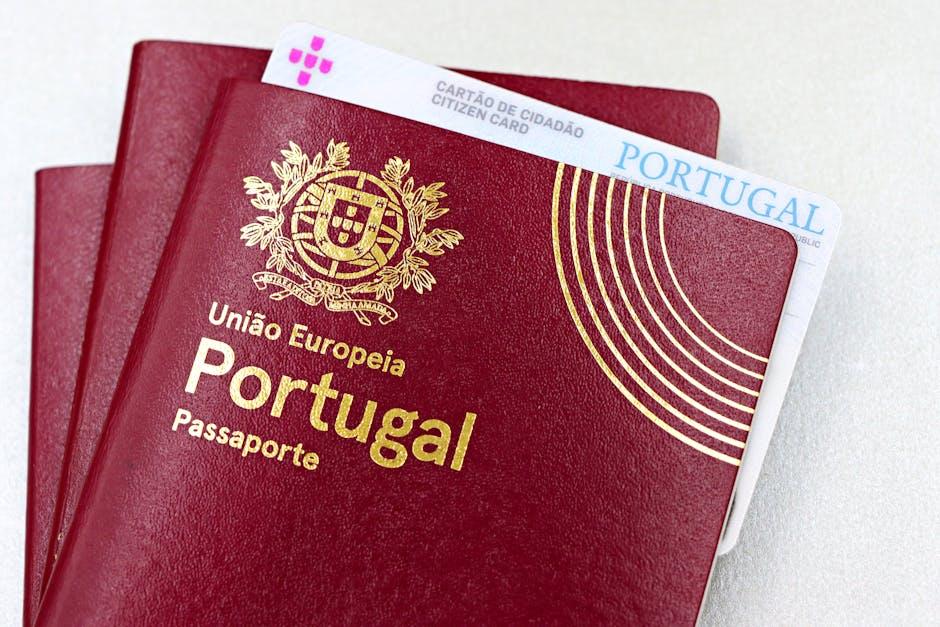
| Portugal | 190+ | Real estate, startups | EU residency, healthcare access |
| St. Kitts & Nevis | 155+ | Citizenship by investment | Tax neutrality |
| Malta | 180+ | Financial services, property | Schengen Area travel |
Navigating Legal Landscapes and Compliance Challenges
Securing a second citizenship involves more than just meeting financial or residency criteria; it requires a keen understanding of the multifaceted legal frameworks that govern dual nationality across countries. Each nation has its own nuanced regulations regarding citizenship acquisition, renunciation policies, and obligations such as taxation and military service. Missteps in compliance can lead to unintended consequences, including legal disputes or even the revocation of citizenship. Therefore, staying informed about bilateral treaties, global mobility agreements, and evolving immigration laws is essential to navigate this intricate terrain successfully.
Key compliance challenges often include:
- Understanding divergent naturalization requirements and restrictions
- Adhering to tax reporting and asset declaration rules in multiple jurisdictions
- Managing potential conflicts between home country and new citizenship laws
- Ensuring continued eligibility by fulfilling residency or investment obligations
| Legal Aspect | Potential Challenge | Recommended Strategy |
|---|---|---|
| Dual Taxation | Double tax obligations | Engage tax advisors for treaties and relief |
| Residency Requirements | Risk of losing citizenship | Track and fulfill minimum stay mandates |
| Military Service | Compulsory enlistment conflicts | Explore exemptions or deferments |
Economic and Social Impacts of Dual Nationality
The proliferation of dual nationality has become a catalyst for dynamic transformations in both the economic and social arenas worldwide. Economically, it fosters increased cross-border investments and entrepreneurial ventures as individuals leverage their second citizenship to tap into new markets and access diverse financial opportunities. This phenomenon often leads to the creation of vibrant business ecosystems where innovation thrives, unlocking new revenue streams not only for the citizens but also for host countries. Moreover, countries offering straightforward paths to dual citizenship are witnessing an influx of skilled talent and capital, which enhances their global competitiveness and stimulates sustainable growth.
On the social front, holding a second passport transcends traditional notions of identity, cultivating a more inclusive worldview and fostering multiculturalism. Dual nationals often serve as bridges between cultures, promoting greater understanding and collaboration across different communities. This melding of identities can give rise to enriched social networks that value diversity and adaptability. However, the dual citizenship landscape also presents challenges such as divided national loyalties and complex legal obligations, which societies must navigate thoughtfully.
| Aspect | Positive Impact | Potential Challenge |
|---|---|---|
| Economic | Boost in foreign investment and entrepreneurship | Tax complexities and regulatory compliance |
| Social | Enhanced cultural exchange and social cohesion | Conflicts in national allegiance |
Choosing the Right Citizenship Program for Your Future
When exploring paths to a second citizenship, it’s crucial to align your choice with both your present needs and long-term ambitions. Programs vary widely in their eligibility requirements, investment thresholds, and benefits. For example, some nations offer streamlined processes through real estate investment, while others emphasize economic contributions or heritage links. Understanding these nuances not only ensures a smooth application but also maximizes the value of your new citizenship. Keep in mind the importance of visa-free travel options, tax advantages, and residency obligations, as these factors profoundly impact your lifestyle and financial planning.
To help distill the complexity, consider the following key attributes that define top citizenship-by-investment programs:
- Processing Speed: Ranging from a few months to over a year
- Investment Types: Real estate, government bonds, business ventures, or donations
- Family Inclusion: Whether dependents and extended relatives qualify
- Dual Citizenship Acceptance: Important for retaining your original nationality
| Program | Minimum Investment | Processing Time | Established Since |
|---|---|---|---|
| Caribbean Fast Track | $150,000 | 3-4 Months | 2013 |
| European Residency Plus | $300,000 | 6-12 Months | 2015 |
| Asia-Pacific Gateway | $250,000 | 4-6 Months | 2018 |
Strategic Steps to Secure Your Second Passport
Acquiring a second passport requires a calculated approach, beginning with thorough research to identify which countries offer citizenship programs that align with your personal and financial goals. Consider factors such as visa-free travel benefits, tax regulations, and the economic stability of the prospective nation. Engaging with reputable immigration consultants or legal experts is essential to navigate complex requirements and avoid common pitfalls. Additionally, you should prepare a comprehensive portfolio including financial records, proof of residence or investment, and background checks, all of which can streamline the application process and increase your chances of success.
Understanding the various pathways to second citizenship can greatly influence your strategy. Options typically include investment-based programs, ancestry or descent, naturalization through residency, and special contributions to national development. Each pathway has unique timeframes and criteria, so assessing your eligibility at each step allows for more efficient decision-making. The table below provides a quick comparison of popular methods:
| Pathway | Typical Timeline | Main Requirement |
|---|---|---|
| Investment Citizenship | 6-12 months | Significant Capital Investment |
| Descent | 1-3 months | Proof of Ancestry |
| Residency Naturalization | 3-10 years | Continuous Residency |
| Special Contributions | Varies | Unique Economic/Philanthropic Input |
The Conclusion
As the world grows ever more interconnected, the concept of belonging transcends borders, inviting individuals to reimagine their identities and opportunities. The rise of second citizenship is not merely a trend but a testament to humanity’s enduring quest for freedom, security, and possibility. In unlocking new horizons, second citizenship offers more than legal status—it opens doors to diverse cultures, networks, and futures yet to be written. As this phenomenon continues to evolve, it challenges us to rethink what it means to call a place home in an increasingly globalized age.