In a world where borders are both gateways and barriers, the key to new beginnings often lies in a stack of seemingly complex papers. Immigration documents, with their intricate forms and official stamps, can feel like an overwhelming puzzle to many. Yet, these documents are more than just bureaucracy—they are the passports to opportunity, the bridges to new cultures, and the maps that guide personal journeys. This article, “Unlocking Journeys: A Clear Guide to Immigration Documents,” aims to demystify this essential process, offering clarity and confidence to anyone ready to embark on their own path across the globe. Whether you’re seeking to live, work, study, or reunite with loved ones, understanding the language and function of immigration paperwork is the first step towards turning your travel dreams into reality.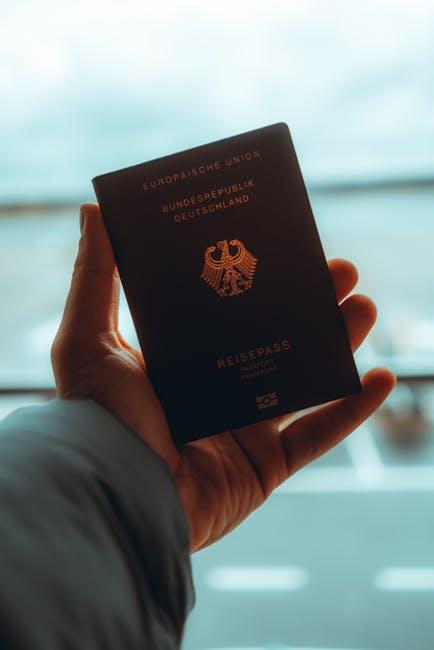
Unlocking the Essentials Understanding Key Immigration Documents and Their Roles
Immigration documents serve as the backbone of any journey across borders, acting as both credentials and permits that define the trajectory of a person’s stay abroad. Among these, passports reign supreme as universally recognized travel documents, verifying identity and nationality. Meanwhile, visas are conditional authorizations granting permission to enter, remain, or transit through a country, with each type—tourist, student, work, or immigrant—tailored to specific purposes and durations. Often overlooked, the residence permit is a crucial document that legitimizes long-term stays, allowing holders to work, study, or simply call a foreign land home. Understanding the distinct roles of these documents empowers travelers and immigrants alike to navigate the legalities with confidence.
Below is a simplified guide capturing the core functions and typical validity periods of key immigration papers, designed to untangle their complexities:
| Document | Primary Role | Typical Validity |
|---|---|---|
| Passport | Proof of nationality & identity | 5 to 10 years |
| Visa | Entry & stay authorization | Varies: days to years |
| Residence Permit | Legal long-term residence | 1 to multiple years |
| Work Permit | Authorization to work | Typically linked to job duration |
Grasping what each document represents and their interplay clears the path toward a smooth immigration process. Whether planning a brief visit or settling permanently, these essential papers are your key to unlocking new horizons with legality and peace of mind.

Navigating the Application Process Tips for Gathering and Preparing Your Paperwork
Embarking on the immigration journey means confronting a maze of paperwork, but with smart strategies, this task becomes manageable and even empowering. Begin by creating a dedicated folder or digital archive to keep all your documents organized—this reduces stress and prevents last-minute scrambles. Be sure to gather essential papers such as birth certificates, passports, financial records, and proof of residence early on. Keeping multiple certified copies and scanned backups ensures you’re prepared for any requests or unexpected losses.
To streamline the preparation process, make a handy checklist tailored to your specific application. Prioritize gathering documents that often require extra time, like police clearances or medical certificates. Consider these tips:
- Verify validity dates: Passports and visas must be current or renewed in advance.
- Translations: Have official translations ready for any non-English documents.
- Supporting letters: Letters from employers, sponsors, or educational institutions should be clear and signed.
| Document Type | Preparation Tips |
|---|---|
| Birth Certificates | Request multiple copies certified by local authorities. |
| Financial Statements | Gather bank statements covering the past 6 months. |
| Medical Records | Schedule appointments early; keep a copy of exam results. |
| Proof of Residence | Utility bills or rental agreements must be recent and clearly show your name. |
Decoding Legal Terminology Making Sense of Complex Immigration Forms
Immigration paperwork often reads like a foreign language filled with jargon, abbreviations, and phrases that seem wrapped in legalese. Deciphering terms such as “affidavit of support,” “adjustment of status,” or “prima facie” can feel overwhelming but gaining a clear understanding is essential for navigating the process confidently. To break it down, think of these terms as puzzle pieces that fit together to reveal the bigger picture of your journey. Each term represents a specific step or requirement, and grasping their meanings transforms piles of confusing forms into manageable tasks.
Here’s a handy framework to simplify some commonly encountered terminology:
- Petition: A formal request filed on your behalf.
- Visa Bulletin: Monthly updates on visa availability and priority dates.
- Notice of Action: Official correspondence confirming receipt or decision.
- Biometrics Appointment: A session to collect fingerprints and photos.
Breaking down complex terms into smaller components allows applicants to approach forms strategically, reducing stress and avoiding costly mistakes.
Avoiding Common Pitfalls How to Ensure Accuracy and Completeness
Ensuring your immigration documentation is both accurate and complete requires a meticulous approach. Start by cross-checking every detail—names, dates, and identification numbers—with official records to prevent costly errors. Utilize checklists to systematically verify each required form and supporting document. Keep in mind, even minor discrepancies can delay processing times, so prioritize clarity and consistency throughout your application.
Leverage technology where possible to streamline organization and accessibility. For instance, digital tools for tracking document submissions and deadlines can be invaluable. Below is a quick reference guide to common document pitfalls and proactive measures to avoid them:
| Pitfall | How to Avoid |
|---|---|
| Missing signatures | Double-check each page requiring a signature before submission |
| Incorrect application forms | Download documents directly from official government sites |
| Expired identification | Verify expiration dates in advance and renew if necessary |
| Uncertified translations | Use authorized translation services |
Preparing for the Next Steps After Document Submission What to Expect and How to Stay Ready
After submitting your immigration documents, the journey is far from over. You’ll enter a phase where patience is your closest ally and vigilance becomes essential. During this period, expect updates to come through various channels such as emails, official portals, or even phone calls. It’s crucial to keep your contact information up-to-date and monitor all communications closely to avoid missing critical deadlines or requests for additional information. Staying organized with a checklist of submitted documents and due dates can make this waiting game more manageable and less stressful.
Proactive steps to stay ready include:
- Regularly checking your case status online and keeping copies of any correspondence.
- Preparing for possible interviews or biometric appointments by reviewing your application details.
- Gathering supplementary documents that might be requested later, such as updated financial statements or letters of support.
- Setting up reminders for renewal dates or follow-up submissions to prevent any lapses.
| Phase | What to Expect | How to Prepare |
|---|---|---|
| Review Process | Document verification and background checks | Keep identification handy and clear any discrepancies |
| Communications | Notifications for additional info or interview scheduling | Respond promptly and prepare requested materials |
| Final Decision | Approval, denial, or request for more evidence | Review decision carefully and plan next steps |
Final Thoughts
As we close this guide on unlocking the complexities of immigration documents, remember that every paper you prepare is more than just a formality—it’s a key to new opportunities, stories, and beginnings. Navigating the world of visas, permits, and applications might seem daunting, but with clarity and persistence, each step brings you closer to the journey ahead. Whether you’re embarking on a new chapter or supporting someone else’s path, understanding these essential documents turns uncertainty into empowerment. So take a deep breath, gather your paperwork, and step forward with confidence—your story is waiting to unfold.