
Every journey begins with a single step, but when that journey crosses borders, it requires more than just enthusiasm—it demands preparation, paperwork, and a keen understanding of the essential documents that open doors to new opportunities. “Unlocking Journeys: A Guide to Essential Immigration Documents” is designed to be your trusted companion through the often complex maze of immigration requirements. Whether you are setting out to reunite with family, pursue education, or chase a career dream abroad, this guide will illuminate the papers you need to gather, the procedures to follow, and the nuances that can make all the difference. Embark with us on this exploration of the vital documents that transform aspirations into legal realities and set the stage for new beginnings.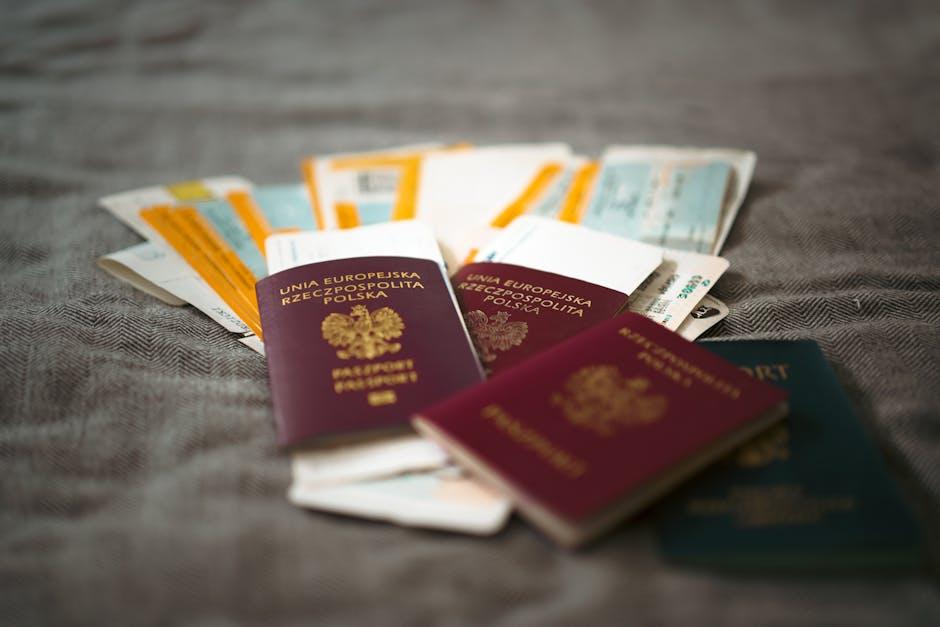
Understanding the Core Immigration Documents and Their Roles
Every successful immigration process is anchored by a set of crucial documents, each playing a distinctive role in navigating the complex legal landscape. These documents, often viewed as passports to new beginnings, range from visas and permits that authorize entry and stay, to identification cards and citizenship certificates that affirm a person’s legal status. Understanding the purpose and conditions tied to these documents is essential—not just for compliance, but to unlock the full potential of opportunities that immigration offers.
To better grasp their unique roles, consider this simplified breakdown of some common immigration documents and what they primarily represent:
| Document | Role | Typical Validity |
|---|---|---|
| Visa | Entry authorization into the country | 3 months to several years |
| Permanent Residency Card | Permission to live and work indefinitely | Usually 5-10 years |
| Work Permit | Authorization to work | Term-limited, varies by employer |
| Refugee Travel Document | Travel document for displaced persons | Typically 1-2 years |
- Visas act as the initial gateway, often specifying the purpose and duration of the stay.
- Permanent Residency cards offer long-term stability and greater freedoms within the host country.
- Work Permits are tailored to employment, sometimes tied to specific employers or job sectors.
- Citizenship Certificates mark the ultimate stage of integration, granting full rights and responsibilities.

Navigating Application Processes with Precision and Confidence
When embarking on the journey of immigration, the labyrinth of paperwork can often feel overwhelming. Mastering this process means understanding that each form, certificate, and statement serves a distinct purpose—and precision in assembling these elements is crucial. Prioritize the gathering of core documents such as passports, birth certificates, and proof of residency before diving into more specific requirements like employment letters or educational transcripts. Staying organized with a checklist tailored to your destination’s legal requisites can dramatically reduce stress and prevent avoidable delays.
Efficiency isn’t just about what you prepare but how you present it. Many immigration systems benefit from documents that are not only complete but also professionally formatted and, where necessary, translated by certified experts. To help navigate this complexity, consider this simplified overview of essential document categories:
| Document Type | Purpose | Tips for Submission |
|---|---|---|
| Identification | Verify identity and nationality | Ensure copies are clear and up to date |
| Proof of Status | Demonstrate legal residence or employment | Include recent and relevant endorsements |
| Supporting Evidence | Showcase ties, education, or financial stability | Use official certified documents where possible |
Essential Tips for Preparing and Organizing Your Paperwork
To navigate the complexities of immigration paperwork, start by creating a centralized filing system. This can be a physical folder or a digital folder on your device, clearly labeled and separated by categories such as passports, visas, financial documents, and correspondence. Consistency is key, so regularly update this system every time you receive or complete a new document. Utilize color-coded tabs or digital tags to make retrieval swift and efficient, especially when deadlines loom.
Next, don’t underestimate the power of a detailed checklist. It helps track each document’s status—whether you need to obtain it, renew it, or submit it. Break down tasks into manageable steps, such as requesting a birth certificate or scanning proof of residency. Here’s a simple example of an effective tracking table:
| Document | Status | Deadline | Notes |
|---|---|---|---|
| Passport | Renewal Needed | 2024-09-15 | Apply 3 months in advance |
| Visa Application | Submitted | 2024-07-01 | Awaiting confirmation |
| Financial Records | Complete | N/A | Saved digital copies |
Common Pitfalls in Immigration Documentation and How to Avoid Them
One of the most frequent missteps in immigration paperwork is submitting incomplete forms. Even a small omission can lead to delays or denials. To keep your application on track, vigorously cross-check every field, and gather all supporting documents before submission. Another tricky area is the misinterpretation of guidelines—immigration rules vary greatly depending on the country, visa type, and individual circumstances. Avoid generic assumptions by consulting official resources or seeking expert advice to understand specific requirements.
Errors also often arise from poorly organized documentation. Disorganized or mismatched papers might confuse officials and stall the process. A simple yet effective solution is to create a well-structured checklist and maintain clear, labeled copies of every document submitted. Below is a quick-reference table highlighting common document errors to watch out for:
| Common Error | Impact | How to Avoid |
|---|---|---|
| Expired Identification | Application Rejection | Double-check expiration dates before submission |
| Missing Signatures | Delays in Processing | Review and sign all required fields carefully |
| Untranslated Documents | Inadmissible Evidence | Provide certified translations where necessary |
| Incorrect Filing Fees | Application Returned | Verify the latest fee amounts on official sites |
Leveraging Technology for Efficient Document Management and Tracking
Modern immigration journeys demand meticulous organization and swift access to crucial documents. Harnessing advanced technology solutions streamlines this complex process, transforming stacks of paperwork into seamless digital workflows. Intelligent document management systems enable applicants to upload, store, and categorize their essential papers with intuitive interfaces, cutting down on errors and lost files. Features like real-time syncing ensure that documents stay up-to-date across devices, while automated reminders help applicants track renewal dates and submission deadlines without stress.
Beyond storage, tracking tools bring transparency to immigration applications, offering clear visibility into each document’s status—whether it’s pending review, approved, or requires additional information. These platforms often provide secure sharing options, allowing users to grant temporary access to immigration consultants or government agencies confidently. Here’s a snapshot of key technological features enhancing document management:
- Cloud Storage: Safe, scalable, and accessible anywhere.
- OCR Technology: Converts scanned documents into searchable text.
- Encryption: Protects sensitive personal information.
- Activity Logs: Tracks every change and submission for accountability.
To Conclude
As you set forth on your immigration journey, remember that understanding and organizing your essential documents is more than a bureaucratic task—it’s the key to unlocking new opportunities and chapters in your life. With the right preparation, the path ahead becomes clearer, smoother, and filled with promise. Keep this guide close, and may your steps toward a new beginning be guided by knowledge, confidence, and readiness. Your journey is waiting to be unlocked.




