In an increasingly interconnected world, the concept of citizenship is evolving beyond its traditional borders. As global mobility and financial landscapes shift, a new gateway to opportunity is emerging: investment passports. These innovative tools offer more than just a second citizenship—they unlock access to new markets, lifestyles, and possibilities. This article explores the rise of investment passports, delving into how they are redefining the relationship between identity and opportunity in the 21st century.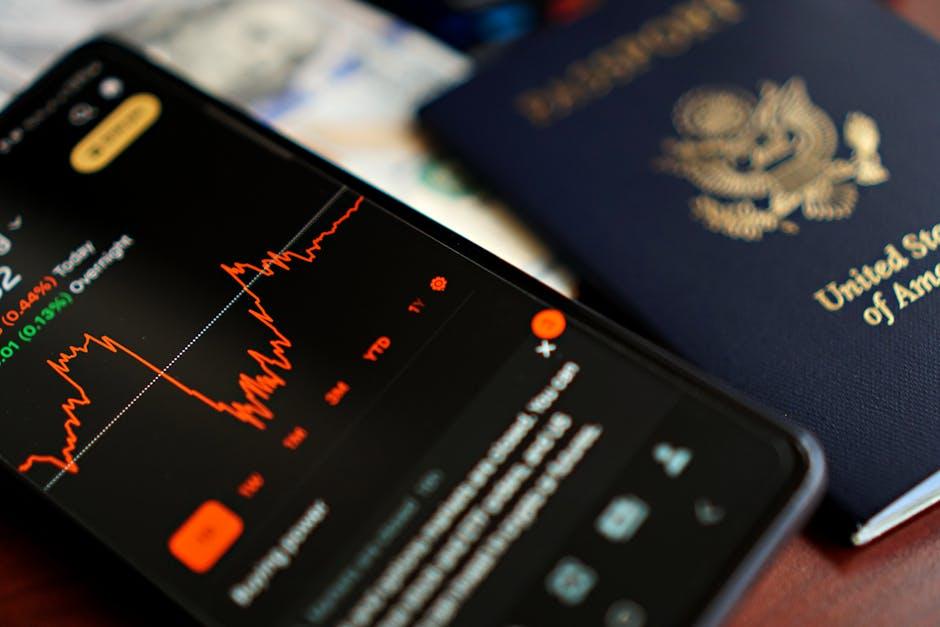
The Evolution of Investment Passports in a Globalized Economy
In an era defined by rapid globalization, investment passports have transitioned from exclusive privileges to dynamic tools reshaping international mobility and wealth management. These documents, once reserved for the elite, now serve as strategic assets fostering cross-border economic engagement. As nations compete to attract foreign capital, the structure of investment passports has evolved to balance security, accessibility, and economic incentives, enabling investors to unlock new avenues for growth and security.
Several key trends mark this evolution, including:
- Diversification of eligible investments: From real estate to technology startups, the scope has broadened to reflect global market shifts.
- Streamlined application processes: Digital innovations have accelerated approval timelines, enhancing appeal.
- Enhanced regulatory oversight: Improved due diligence ensures integrity while maintaining investor appeal.
| Era | Focus | Typical Investment |
|---|---|---|
| 1990s | Wealth protection | Real estate |
| 2000s | Economic growth attraction | Business capital |
| 2010s | Global mobility | Diversified portfolios |
| 2020s | Sustainability & tech innovation | Green projects & startups |

Key Benefits for Investors and Host Countries
Investment passports open a gateway to a wealth of advantages, making them increasingly attractive for global investors. Beyond the ease of travel and expanded global mobility, these passports offer financial flexibility, allowing holders to diversify assets and tap into new economic landscapes. The allure extends to enhanced security for personal wealth, making it easier to navigate geopolitical uncertainties with a robust backup plan in place. Additionally, investors gain access to exclusive business opportunities, streamlined visa processes, and improved lifestyle options, all tailored to empower ambition with strategic freedom.
Host countries, on the other hand, benefit from a dynamic influx of capital and expertise that stimulates local economies. This capital injection fosters innovation, creates jobs, and revitalizes sectors such as real estate, technology, and tourism. The symbiotic relationship also enhances international diplomacy by weaving stronger global ties through economic partnerships. Below is a snapshot of benefits for both parties, highlighting the balanced value proposition:
| For Investors | For Host Countries |
|---|---|
| Global Mobility & Travel Ease | Capital Influx & Economic Growth |
| Diversification of Assets | Job Creation & Skill Development |
| Access to New Markets | Boost in Tourism & Infrastructure |
| Enhanced Financial Security | Strengthened International Relations |
Navigating Legal Frameworks and Compliance Challenges
Investing through passports opens up expansive opportunities but concurrently invites a complex web of legal requirements that vary dramatically by jurisdiction. Stakeholders must pay keen attention to due diligence procedures, ranging from identity verification to anti-money laundering mandates, which are fundamental for lawful participation. Moreover, the dynamic nature of international regulations demands a proactive monitoring approach, as compliance frameworks often evolve swiftly in response to economic and geopolitical shifts.
To navigate these multifaceted challenges effectively, investors and service providers should consider the following checklist:
- Understanding Local Regulatory Nuances: Different countries impose unique requirements on investment passports, necessitating customized strategies.
- Maintaining Transparent Record-Keeping: Documentation must be thorough and accessible to pass audits with ease.
- Engaging Compliance Experts: Collaboration with legal advisors ensures adherence and mitigates risks.
- Keeping Abreast of Policy Changes: Timely adaptation to legal updates prevents inadvertent violations.
| Challenge | Potential Solution |
|---|---|
| Complex Cross-Border Regulations | Engage International Legal Counsel |
| Frequent Policy Amendments | Implement Real-Time Compliance Monitoring Tools |
| Varying Documentation Standards | Standardize Internal Reporting Templates |
| AML and KYC Compliance | Adopt Advanced Verification Technologies |
Strategies for Maximizing Value Through Investment Passports
To truly harness the potential of investment passports, investors should adopt a multifaceted approach that goes beyond mere acquisition. Diligent research into the economic stability, legal frameworks, and tax implications of the host country can dramatically enhance returns and mitigate risks. Additionally, leveraging partnerships with local financial advisors or legal experts can offer insider perspectives that aren’t readily available to foreigners, turning an investment passport into a gateway for more than just residency — but also business expansion and market entry opportunities.
Optimization also involves a strategic balance between diversification and specialization. Consider the following tactics for maximizing benefits:
- Geographical diversification: Spread investments across multiple jurisdictions to reduce exposure to geopolitical risks.
- Sector focus: Target booming industries in the host country, such as tech or renewable energy, to capitalize on growth sectors.
- Long-term outlook: Align passport investments with personal and financial goals to leverage compounding advantages.
| Strategy | Benefit | Tip |
|---|---|---|
| Local Partnerships | Expert guidance & networking | Engage vetted advisors |
| Tax Planning | Optimized returns | Understand bilateral treaties |
| Portfolio Diversification | Risk mitigation | Use multiple passports if viable |
Future Trends Shaping the Investment Passport Landscape
Innovations in technology and evolving global dynamics are driving a wave of transformation in how investment passports are designed and utilized. Blockchain integration is set to become a cornerstone, enhancing transparency and security for accelerated citizenship processing. Coupled with AI-powered analytics, investment passports will offer personalized investment pathways, allowing applicants to optimize their portfolios based on real-time market data and geopolitical climate. This digital evolution promises to streamline bureaucratic hurdles and provide a more adaptive framework, empowering investors to respond swiftly to changing economic landscapes.
Meanwhile, sustainable investing principles are increasingly influencing passport programs, urging governments to align eligibility criteria with environmental, social, and governance (ESG) benchmarks. Future passports may require investments in green projects or social enterprises, thereby embedding global responsibility within the investment passport’s foundational value. Below is a glimpse of emerging key focus areas shaping this new era:
- Digital Identity Verification: Accelerated due diligence through biometrics and secure digital credentials.
- ESG-aligned Investment Mandates: Prioritizing climate-positive and socially responsible assets.
- Cross-border Regulatory Harmonization: Simplifying international compliance and expanding passport portability.
- Dynamic Residency Models: Flexible terms allowing investors to balance global mobility and local engagement.
Future Outlook
As global borders become more fluid and economies increasingly interconnected, investment passports stand at the crossroads of opportunity and innovation. They symbolize not just a key to new lands, but a gateway to broader horizons—financially, culturally, and personally. While challenges remain, the rise of these passports signals a shift in how we conceive mobility and wealth in the 21st century. In unlocking new paths, investment passports invite us all to rethink what it means to invest—not just in markets, but in the future itself.