In an era where borders shift and global alliances evolve, a curious contest unfolds quietly behind the scenes: the race for golden passports. More than just travel documents, these coveted passports symbolize freedom, opportunity, and a passport to a new life — often acquired not by birthplace, but by investment. “Unlocking the World: Inside the Golden Passport Race” takes you beyond the headlines into a complex web of economics, politics, and ambition, revealing how nations and individuals navigate the delicate balance between sovereignty and globalization. Step inside this intriguing world, where citizenship is both a commodity and a key to unlocking possibilities across the globe.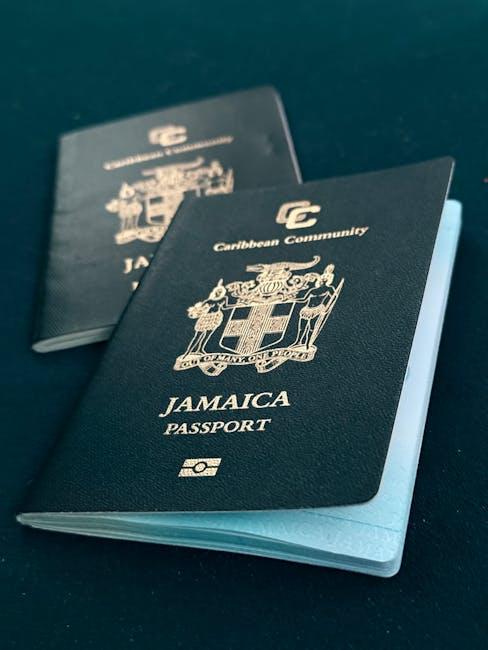
The Allure of Golden Passports Explored
In an era where mobility shapes opportunity, the coveted allure of golden passports stems from their promise of unrestricted travel and newfound global citizenship. These coveted documents offer more than just a second nationality—they unlock privileges like visa-free access to dozens of countries, enhanced business prospects, and the freedom to live, work, or invest internationally without conventional hindrances. For many savvy investors and ambitious entrepreneurs, this passport is less about luxury and more about a strategic edge in an ever-connected world.
However, the appeal transcends mere convenience. The golden passport race reflects deeper desires: personal security, economic diversification, and lifestyle flexibility. Governments offering these programs often tout the benefits of expedited residency and citizenship in exchange for substantial contributions, creating a unique intersection of wealth and diplomacy. Here’s a glimpse at what these programs frequently include:
- Investment in real estate or local businesses
- Minimum residency requirements that are often minimal or flexible
- Access to world-class healthcare and education systems
| Country | Visa-Free Destinations | Investment Threshold |
|---|---|---|
| Malta | 186 | €650,000 |
| St. Kitts & Nevis | 157 | $150,000 |
| Cyprus | 174 | €2,000,000 |

Navigating Global Citizenship Markets
In an ever-shrinking world, citizenship is no longer just about birthplace—it’s a strategic asset. Wealthy individuals and global entrepreneurs are increasingly exploring diverse markets where citizenship offers not just a new address, but gateway access. From tax advantages to seamless global mobility, these “golden passports” have sparked a dynamic race, transforming traditional concepts of nationality.
When weighing options across continents, applicants often consider:
- Investment thresholds – How much capital is required to qualify?
- Processing time – Speed of approval can be a deciding factor.
- Visa-free travel – Which passport unlocks the most borders?
- Residency requirements – Is physical presence mandatory?
| Country | Investment Required | Visa-Free Countries | Processing Time |
|---|---|---|---|
| Portugal | $350K | 187 | 6 months |
| St. Kitts & Nevis | $150K | 156 | 3 months |
| Malta | $1M+ | 184 | 12 months |
| Turkey | $250K | 110 | 4 months |
Evaluating Benefits and Hidden Costs
Access to a second passport can open astonishing doors—enhancing travel freedom, investment opportunities, and even personal security. The allure of visa-free journeys to over 150 countries is undeniably powerful, providing a level of convenience and flexibility that few other assets can match. Similarly, some nations offer favorable tax regimes and streamlined business environments, which can dramatically alter one’s financial landscape. However, beneath these sparkling benefits lies a complex web of considerations that often remain overlooked until too late.
Besides the upfront investment, hidden costs may include ongoing residency requirements, bureaucratic hurdles, and the potential for changing political landscapes that can affect the value and security of your new citizenship. Here is a quick glance at key factors to weigh:
- Legal fees and due diligence expenses
- Possible tax implications in home and second countries
- Residency obligations that may disrupt lifestyle flexibility
- Reputation risks tied to diplomatic relations and program transparency
| Benefit | Potential Hidden Cost | Long-term Impact |
|---|---|---|
| Visa-free travel | Renewal and compliance fees | Ongoing administrative burden |
| Tax optimization | Double taxation risks | Financial complexity |
| Access to new markets | Local regulatory restrictions | Business adaptability |
Strategies for Ethical Acquisition
Securing a golden passport responsibly requires a deep commitment to transparency and adherence to international laws. Prospective applicants and governments alike must prioritize due diligence and stringent background checks to ensure that candidates uphold ethical standards. This helps prevent illicit activities such as money laundering or tax evasion, which can cast a shadow over these programs. By fostering cooperation with global regulatory bodies and maintaining ongoing monitoring, states can protect their reputations and ensure that citizenship is a privilege granted to those who contribute positively to society.
- Transparency in application processes to build trust
- Strict vetting procedures for all applicants
- Collaboration with international watchdogs and financial regulators
- Clear policies outlining eligibility and responsibilities of new citizens
- Regular audits to maintain program integrity
| Strategy | Impact |
|---|---|
| Enhanced Background Checks | Reduced risk of criminal infiltration |
| Open Data Policies | Increased public confidence |
| International Collaboration | Ensured compliance with global standards |
Ultimately, an ethical acquisition strategy balances opportunity with responsibility. Governments can attract legitimate investors who wish to build bridges between cultures without compromising the sovereignty or values of the host country. By empowering communities through participatory frameworks and holding all parties accountable, the golden passport becomes not just a transactional token but a symbol of mutual respect and shared progress.
Future Trends in Mobility and Identity
As global borders increasingly embrace fluidity, the concept of identity is evolving from a static certificate into a dynamic digital footprint. The rise of blockchain-based identities and biometric advancements promises to revolutionize how individuals prove their status and facilitate cross-border movement. These innovations not only enhance security but also redefine citizenship as a service, empowering travelers with seamless access to a constellation of privileges tied to multiple passports or residency rights. In this brave new world, it’s no longer just about the stamp in your passport—it’s about the data behind it.
Emerging trends indicate a future where mobility and identity are intertwined with technology that supports instant verification and smart visas. Governments and private entities are exploring:
- Digital Nomad Passports: Customized permits catering to remote workers seeking global flexibility.
- Identity Wallets: Personal digital repositories securely holding verified identity attributes accessible worldwide.
- AI-Powered Risk Assessment: Real-time analysis of traveler credentials adapting to rapidly shifting geopolitical landscapes.
| Feature | Benefit | Impact |
|---|---|---|
| Biometric Tokens | Fast, foolproof identity verification | Reduces fraud and wait times |
| Smart Visa Platforms | Flexible travel permissions | Supports gig economy and freelancers |
| Blockchain Integration | Immutable records of citizenship | Ensures transparency and trust |
Concluding Remarks
As the race for golden passports accelerates, the lines between opportunity, identity, and wealth blur in unprecedented ways. Unlocking the world is no longer just a metaphor—it’s a reality shaped by investments, policies, and ambitions that transcend borders. Whether viewed as a gateway to freedom or a symbol of inequality, this phenomenon challenges us to rethink what it truly means to belong. In the end, the golden passport race is more than a contest; it’s a mirror reflecting the complexities of our globalized era.