In an era defined by unprecedented connectivity and cultural exchange, the journey of migration has transformed into a complex tapestry woven with hope, challenge, and resilience. “Wandering Worlds: Navigating the Complex Path of Global Immigration” seeks to explore the multidimensional experience of those who leave familiar shores in search of new beginnings. Beyond mere statistics and policies, this narrative delves into the human stories and intricate realities that shape the movement of people across borders, revealing a world where migration is both a personal odyssey and a global phenomenon. As we navigate these wandering worlds, we uncover the delicate balance between opportunity and adversity that defines the ongoing saga of immigration.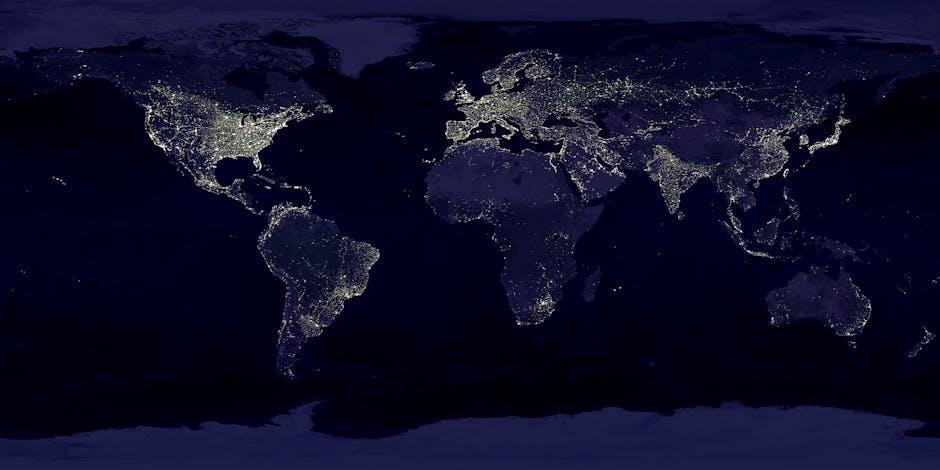
The Changing Landscape of Migration Patterns and Their Global Impact
Across continents and oceans, migration is no longer a simple story of movement from point A to point B. It has morphed into a dynamic interplay of economic shifts, environmental changes, and geopolitical tensions. Modern migrants often traverse complex corridors shaped by technology, policy, and social networks, revealing new patterns that defy traditional categorizations. This evolution brings with it profound transformations — from urban landscapes swelling with diversity to rural areas gradually becoming hubs of diasporic culture. Such shifts compel nations and communities to rethink their approach to integration, resource allocation, and cultural dialogues, fostering an era where migration is both a challenge and a powerful catalyst for growth.
Key factors influencing these evolving patterns include:
- Climate-driven displacement altering long-established migration routes
- Digital connectivity enabling transnational identity and remote work opportunities
- Changing labor demands prompting new waves of skilled and unskilled migration
- Shifts in global political alliances impacting border policies and asylum processes
| Region | Migration Trend | Impact Highlight |
|---|---|---|
| Sub-Saharan Africa | Rural to urban migration acceleration | Rapid city growth, infrastructure strain |
| Europe | Increased diversity from Middle Eastern and African influx | Multicultural revitalization and political debates |
| Asia-Pacific | Labour migration fueling economic hubs | Economic expansion and social stratification |
| Americas | Cross-border migration influenced by policy shifts | Socioeconomic integration challenges |
Challenges Faced by Immigrants in Host Countries and Strategies for Integration
Immigrants often arrive with dreams of new beginnings but quickly encounter a labyrinth of obstacles that test their resilience. Language barriers can turn everyday interactions into daunting tasks, while unfamiliar legal systems pose complex challenges in accessing employment, healthcare, and social benefits. Beyond the practical, many face the silent struggle of cultural dissonance—balancing the preservation of their heritage with the desire to adapt to new societal norms. The weight of discrimination, whether overt or subtle, can isolate newcomers, limiting opportunities and eroding self-confidence. These challenges intertwine, creating a mosaic of difficulties that require more than individual effort to overcome.
Effective integration demands a multi-faceted approach, combining personal initiative with community and institutional support. Strategies such as community mentorship programs, language immersion courses, and inclusive policy reforms serve as foundational pillars for smoother transitions. Local organizations can act as vital bridges, providing not only practical assistance but fostering a sense of belonging. The table below highlights key challenges alongside corresponding integration strategies that empower immigrants to thrive in their new environments:
| Challenge | Integration Strategy |
|---|---|
| Language barriers | Community-led language workshops |
| Cultural adaptation | Cross-cultural exchange events |
| Legal and employment hurdles | Legal aid clinics and job readiness training |
| Social isolation | Mentorship and community integration groups |
The Role of Policy and International Cooperation in Shaping Migration Flows
Global migration is not merely the product of individual aspirations or economic opportunities; it is profoundly shaped by the intricate web of policies crafted at national and international levels. Governments wield the power to open or close doors through visa regulations, border controls, and labor market policies, influencing the ebb and flow of human movement. Yet, in an era defined by hyperconnectivity and interdependence, isolated national policies often fall short, underscoring the need for robust international cooperation. Diplomatic accords and multilateral frameworks serve as the backbone for harmonizing efforts, ensuring migration pathways are safe, orderly, and respectful of human rights.
Consider the following pillars that serve as cornerstones in this global endeavor:
- Policy Harmonization: Aligning regulations to avoid legal conflicts and promote ease of movement.
- Human Rights Safeguards: Establishing international norms to protect migrants from exploitation and discrimination.
- Development Cooperation: Addressing root causes such as poverty and conflict through joint initiatives.
- Data Sharing and Monitoring: Enhancing transparency to anticipate and respond to migration trends effectively.
| Aspect | National Policy Focus | International Cooperation Role |
|---|---|---|
| Legal Framework | Border control, visa issuance | Standard setting, mutual agreements |
| Safety | Law enforcement, asylum processes | Rescue operations, refugee conventions |
| Economic Impact | Labor market regulation | Job matching programs, skills recognition |
| Social Integration | Language and cultural programs | Exchange programs, anti-discrimination policies |
Economic Contributions and Cultural Enrichment Brought by Immigrant Communities
Immigrant communities serve as vibrant engines of economic vitality, infusing local markets with entrepreneurial spirit and innovation. From family-owned businesses to tech startups, immigrants bring diverse skills and fresh perspectives that often revitalize stagnant sectors. Their contributions extend beyond job creation; they stimulate demand for goods and services, fostering a dynamic cycle of economic growth. Studies consistently highlight how immigrant labor fills critical gaps, especially in industries like agriculture, healthcare, and hospitality, where native labor shortages persist.
The cultural fabric of societies is similarly enriched through the customs, languages, and artistic expressions introduced by immigrant populations. Festivals pulsate with colorful traditions, cuisines blend in delicious new forms, and multilingualism infuses educational environments, cultivating cross-cultural understanding. This blend sparks creative fusion in music, literature, and fashion, broadening the collective identity of communities. Consider the table below illustrating a snapshot of cultural festivals introduced by various immigrant groups around the world:
| Immigrant Group | Festival | Origin Country | Significance |
|---|---|---|---|
| Mexican | Dia de los Muertos | Mexico | Honoring ancestors |
| Indian | Diwali | India | Festival of lights |
| Chinese | Chinese New Year | China | Spring festival |
| Caribbean | Caribana | Various Caribbean Islands | Cultural celebration |
Future Directions for Sustainable and Compassionate Immigration Practices
Envisioning a future where immigration policies harmonize with empathy and pragmatism requires bold innovation and a commitment to human dignity. Governments and communities alike must pioneer frameworks that embrace not only the economic benefits of migration but also the profound cultural enrichment it offers. This transformation leans heavily on creating inclusive legal pathways that prioritize safety, respect, and opportunity for all who seek new beginnings. Central to this endeavor is the integration of cutting-edge technology to streamline processes while safeguarding individual rights, ensuring a balance between national security and humanitarian concerns.
Several emerging approaches can set a foundation for lasting change:
- Community-Led Support Systems: Empower local organizations to assist migrants through personalized mentorship and cultural orientation.
- Dynamic Policy Frameworks: Develop adaptive immigration laws that respond to global shifts swiftly without sacrificing fairness.
- Environmental and Social Impact Assessments: Evaluate migration flows in relation to sustainability goals, ensuring eco-friendly integration.
| Innovation | Benefit | Example |
|---|---|---|
| AI-Powered Case Management | Faster application processing | Automated eligibility screening |
| Mobile Legal Clinics | Improved access to support | On-site counseling in migrant hubs |
| Cross-Nation Data Sharing | Enhanced security and transparency | Unified migrant tracking systems |
In Summary
In the vast tapestry of human experience, migration remains one of the most intricate and transformative threads. “Wandering Worlds” reminds us that global immigration is not merely a movement from place to place, but a complex journey woven from hope, challenge, and resilience. As we navigate this evolving landscape, embracing the stories behind every migration deepens our understanding of identity, belonging, and the shared quest for a better tomorrow. The path forward may be complex, but within its twists and turns lies the promise of connection and new horizons waiting to be discovered.