In an era where borders pulse with the footsteps of countless travelers, migration unfolds as one of the most compelling narratives of our time. Like waves surging across vast oceans, human movement transcends boundaries—shaping societies, economies, and cultures in profound ways. “Waves Across Borders: Exploring the Dynamics of Global Migration” invites readers to navigate this intricate and ever-shifting phenomenon. By diving into the forces that propel individuals from distant shores and the currents that carry them to new destinations, we embark on a journey to understand the complex tides of migration that define our interconnected world.
Understanding the Root Causes Behind Global Migration Patterns
The movement of people across continents is rarely a random occurrence; it is a complex interplay of economic, social, and environmental forces. At the heart of this phenomenon lie economic disparities that push individuals to seek better opportunities abroad. For many, the lack of employment or the allure of higher wages elsewhere presents an irresistible call. Social factors, including family reunification and escaping political unrest or persecution, also weigh heavily in the decision to migrate. Meanwhile, environmental degradation and climate change have emerged as silent yet powerful drivers, forcing communities to abandon their ancestral homes as rising sea levels and desertification render once-thriving regions uninhabitable.
Key drivers can be summarized as follows:
- Economic: unemployment, wage gaps, economic instability
- Social: conflict, persecution, family ties
- Environmental: natural disasters, climate change, resource scarcity
| Driver | Impact | Typical Regions Affected |
|---|---|---|
| Economic | Job scarcity, poverty | Sub-Saharan Africa, Latin America |
| Social | Conflict, persecution | Middle East, Southeast Asia |
| Environmental | Displacement, resource loss | Pacific Islands, Sahel region |
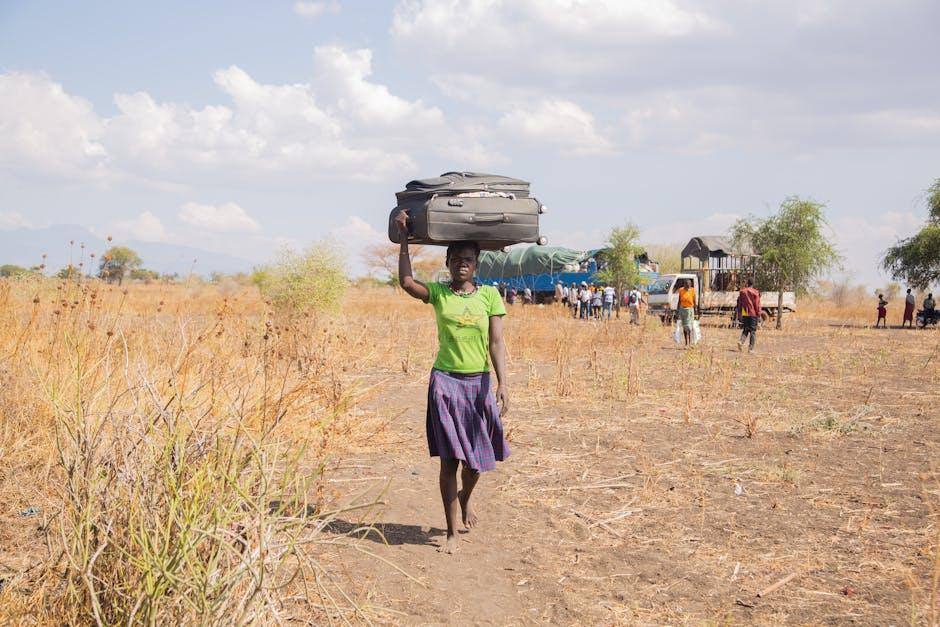
Navigating the Socioeconomic Impacts on Host and Origin Countries
As global migration surges, the economic and social fabric of both host and origin countries continually evolves in intricate ways. Host nations often benefit from an influx of labor that fills critical skill gaps and fuels economic growth, while also embracing cultural diversity that enriches societal perspectives. However, these benefits come paired with challenges such as increased pressure on public services and the need for robust integration policies. The success of this delicate balance often hinges on how well governments and communities collaborate to support newcomers while addressing local concerns.
Origin countries experience equally profound effects, as migration reshapes demographics and economies. Remittances flow back, providing vital financial lifelines that uplift families and stimulate local markets. Yet, the departure of working-age populations can create skill shortages and slow development. Below is a concise overview illustrating the contrasting impacts:
| Aspect | Host Countries | Origin Countries |
|---|---|---|
| Economic Growth | Boosts labor market & innovation | Increases remittance inflows |
| Social Dynamics | Enhances cultural diversity | Alters family structures |
| Challenges | Overloaded public services | Brain drain and skill gaps |
- Policy development must be adaptive, focused on sustainable inclusion.
- Community engagement plays a pivotal role in smoothing transitions.
- Economic strategies should leverage migration for mutual growth.
The Role of Policy Frameworks in Shaping Migration Experiences
Migration is deeply intertwined with the policies enacted by nations and international bodies, which serve as gatekeepers and facilitators of human movement. These frameworks dictate who can move, under what circumstances, and the rights migrants will possess upon arrival. From visa allocations and asylum protocols to labor mobility agreements, policy decisions shape not just the scale but also the quality of migration experiences. In places where policies are compassionate and inclusive, migrants often find pathways to integration, access to social services, and opportunities for economic participation. Conversely, restrictive policies can amplify vulnerabilities, leading to precarious living conditions and social exclusion.
Understanding these dynamics requires examining core elements within policy frameworks that influence migration flows and outcomes:
- Entry Regulations: Rules governing eligibility and documentation that affect initial access.
- Rights and Protections: Legal safeguards around labor rights, healthcare, and education.
- Integration Support: Measures like language programs and cultural orientation that ease adjustment.
- Enforcement Mechanisms: Border control and deportation policies impacting security and freedom.
| Policy Aspect | Impact on Migrants | Example |
|---|---|---|
| Visa Accessibility | Determines who can legally enter and for how long | Work visas in Canada |
| Asylum Procedures | Protects rights and offers refuge | EU asylum regulations |
| Social Services Access | Facilitates integration and wellbeing | Healthcare access in Germany |
| Detention Policies | Can restrict freedom and increase insecurity | U.S. immigration detention |
Fostering Integration Through Community Engagement and Support
Building bridges between diverse cultures requires more than just welcoming newcomers; it demands active participation from both migrants and host communities. Empowering immigrants through accessible language classes, mentorship programs, and local cultural exchanges opens doors to shared understanding and mutual respect. Such engagement nurtures a sense of belonging that transcends geographical and linguistic barriers, transforming strangers into neighbors and allies in the collective journey of integration.
Communities thriving in inclusivity often embrace dynamic support networks that cater to the practical and emotional needs of migrants. Consider the following pillars that bolster these ecosystems of care:
- Community-led initiatives: Encouraging projects where migrants lead cultural festivals or skill-sharing workshops fosters ownership and pride.
- Collaborative spaces: Establishing hubs for social connection and resource exchange helps dismantle isolation.
- Policy advocacy: Engaging in dialogue with policymakers to address systemic barriers enriches local frameworks.
| Support Element | Impact | Examples |
|---|---|---|
| Language & Education | Enhances communication & integration | Community classes, online resources |
| Social Capital | Builds trust & mutual aid | Mentorship, intercultural events |
| Policy Inclusion | Removes legal and practical barriers | Advocacy groups, inclusive legislation |
Innovative Approaches to Addressing Challenges and Enhancing Opportunities
Addressing the complex landscape of migration requires an agile blend of technology, policy, and community involvement. Interactive platforms leveraging big data analytics and AI are revolutionizing how we anticipate migratory trends, allowing for preemptive measures that minimize social strain and maximize resource allocation. Governments and NGOs are collaborating on cross-border digital identities, enhancing migrants’ access to essential services like healthcare, education, and employment without cumbersome bureaucracy.
Community-driven initiatives are equally vital. Empowering migrants with localized skill-building programs and social integration projects fosters resilience and mutual understanding. Consider the impact of cultural exchange hubs that not only celebrate diversity but also function as incubators for entrepreneurial endeavors—turning potential challenges into shared opportunities:
- Skill matching platforms: Connect migrants with job markets aligned to their expertise.
- Multilingual advisory services: Break down language barriers in accessing legal and social support.
- Collaborative urban planning: Design inclusive public spaces encouraging intercultural dialogue.
| Innovation | Impact | Scalability |
|---|---|---|
| AI Migration Forecasting | Improved resource deployment | High |
| Digital ID Inclusion | Streamlined service access | Medium |
| Community Skill Hubs | Economic upliftment | Variable |
The Conclusion
As the tides of migration continue to ripple across continents, they shape the intricate patterns of our shared humanity. Waves Across Borders remind us that migration is not merely a movement of people but a dynamic interplay of culture, hope, challenge, and resilience. In understanding these currents, we gain insight into the ever-evolving story of our world—one where boundaries blur, and new possibilities emerge with each crossing. The dialogue on global migration invites us to look beyond headlines and statistics, to see the enduring connections that bind us all beneath the vast, shifting sky.