Across oceans and continents, human stories unfold like ripples on a vast, ever-changing sea. Migration—an enduring force as old as civilization itself—shapes the contours of our world, weaving together individuals and cultures in patterns both visible and unseen. In “Waves Across Borders: Tracing the Patterns of Global Migration,” we embark on a journey to explore these currents of movement, examining how economic shifts, environmental changes, and social networks propel people beyond familiar shores. As borders ebb and flow with the tides of history, the migration waves reveal the complex interplay between place and identity, belonging and aspiration—a global narrative written in the movements of millions.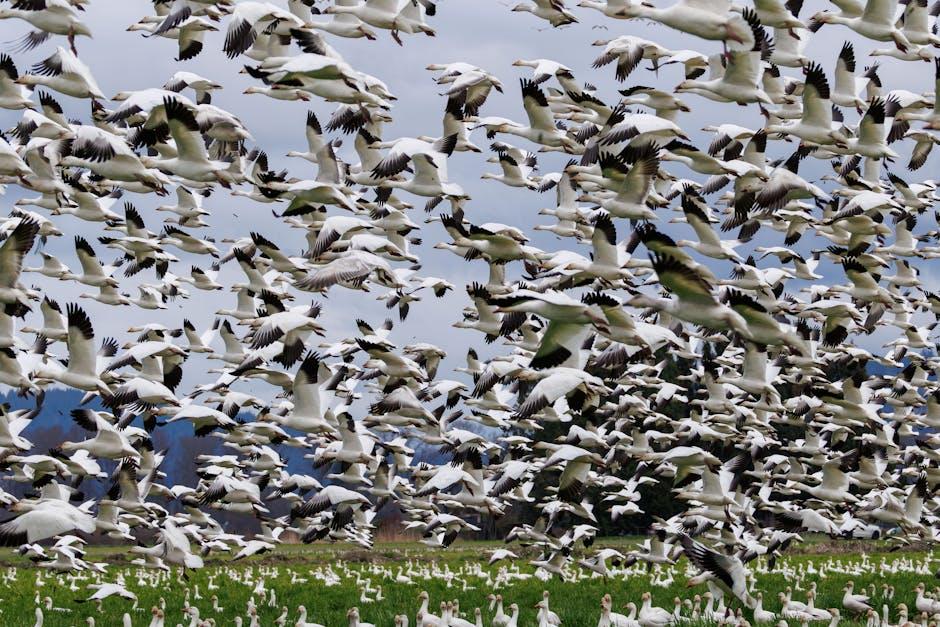
The Historical Currents Shaping Migration Trends
Across centuries, human movement has been influenced by a complex tapestry of forces, where economic aspirations met with political upheavals and environmental shifts. The ebb and flow of migration waves reveal stories of resilience and adaptation, much like rivers carving their paths across varying landscapes. The Industrial Revolution, for example, ignited a massive rural-to-urban migration in Europe, driven by the promise of factory jobs and new technological advancements. Meanwhile, colonial expansions and trade routes created an intricate web of cultural exchange, simultaneously displacing populations and laying the groundwork for multicultural societies.
Modern migration trends cannot be understood without acknowledging key historical triggers that continue to shape patterns today. Factors such as:
- Conflicts and Wars: Forced displacements often sparked large-scale refugee movements, as seen during the World Wars.
- Economic Transformations: Shifts like the Great Depression or the Oil Boom reshaped labor demands and migration flows.
- Environmental Changes: Droughts, famines, and natural disasters prompted mass relocations over the centuries.
| Period | Major Migration Driver | Example Region |
|---|---|---|
| 18th-19th Century | Industrialization | Europe to America |
| Early 20th Century | World War Refugees | Middle East and Europe |
| Late 20th Century | Economic Globalization | Asia to North America |

Economic Ripples and the Quest for Opportunity
Global migration is often propelled by economic undercurrents that ripple far beyond the individual journey of a migrant. As families seek brighter horizons, these movements can reshape local economies, spur innovation, and create dynamic labor markets. However, every wave of migration also surfaces complex challenges, from the pressures on infrastructure to the nuanced integration of diverse cultural practices. The quest for opportunity becomes a multifaceted exchange, where both host and home countries experience transformations—opportunities converted into new realities.
Understanding these patterns requires a closer look at the economic triggers driving migration, which often include:
- Employment prospects: Access to better-paying jobs and improved working conditions draws many toward new lands.
- Cost of living disparities: Migrants weigh the affordability of essential goods and services as they decide where to settle.
- Investment possibilities: Entrepreneurship and business expansion motivated by different regulatory and market environments.
| Region | Primary Economic Driver | Typical Migrant Profile |
|---|---|---|
| South Asia to Middle East | Construction and service jobs | Young males, temporary labor migrants |
| Latin America to North America | Agricultural and manufacturing work | Family units seeking stability |
| Sub-Saharan Africa to Europe | Skilled labor and education opportunities | Mixed demographics, including students and professionals |
Cultural Crossings and the Blending of Identities
When cultures converge through migration, the result is not merely a coexistence but a vibrant synthesis that reshapes identities. This process fosters what anthropologists call hybridity, where traditions, languages, and customs intertwine, creating unique social fabrics that transcend their origins. Such blending challenges the idea of fixed identities, revealing how cultural expressions evolve dynamically within diasporic communities. From culinary innovations to fusion music genres, these cultural crossings offer fresh narratives that enrich both host and immigrant societies.
Key elements of cultural blending include:
- Language Creolization – where new dialects and pidgins emerge
- Interfaith Dialogues – merging spiritual practices and beliefs
- Traditional Arts Reinvention – combining motifs and techniques
- Hybrid Culinary Practices – fusing indigenous ingredients and recipes
| Aspect | Before Migration | After Cultural Blending |
|---|---|---|
| Clothing | Traditional, region-specific | Mixed styles and fabrics from multiple origins |
| Language | Monolingual or regional dialects | Multilingualism and emerging creole languages |
| Festivals | Local and religious-focused | Inclusive celebrations with diverse influences |
Policy Protocols Navigating Migration Challenges
Effective migration management depends on a delicate balance of international cooperation and national sovereignty. Countries employ a variety of protocols to regulate the movement of people while addressing humanitarian concerns and economic needs. These strategies often include:
- Visa and asylum regulations tailored to protect vulnerable populations
- Border security measures combined with humanitarian corridors
- Integration frameworks designed to foster social cohesion and economic participation
Policy frameworks must remain agile to respond to emerging trends, such as climate-driven displacement and digital nomadism, which challenge conventional migration models. Below is a simplified overview of key policy elements and their primary focus areas:
| Policy Element | Focus Area | Impact |
|---|---|---|
| Humanitarian Visas | Protection for refugees | Enhanced safety and resettlement |
| Labor Mobility Agreements | Workforce flexibility | Economic growth and skill exchange |
| Border Monitoring Technologies | Security and efficiency | Reduced illegal crossings, faster processing |
Building Inclusive Communities for a Connected Future
Embracing diversity and fostering a sense of belonging are essential in shaping societies that thrive in our ever-globalizing world. True connection blooms when communities actively dismantle barriers—whether social, economic, or cultural—and create spaces where every individual feels valued. This approach not only enriches the local tapestry but also ignites innovation and empathy across generations and backgrounds. Think of inclusive communities as vibrant mosaics, each piece unique yet interlocking to form a stronger whole.
Key ingredients to this transformation include:
- Open dialogue: Encouraging honest conversations around identity and experience.
- Accessible resources: Ensuring equal opportunity in education, health, and employment.
- Shared platforms: Building communal spaces that celebrate multiple narratives and traditions.
| Challenge | Impact | Community Action |
|---|---|---|
| Language Barriers | Limits social integration | Multilingual workshops and resources |
| Cultural Misconceptions | Breeds misunderstandings | Intercultural festivals and education |
| Economic Inequity | Restricts opportunity | Community job training and support |
Concluding Remarks
As the tides of migration continue to ebb and flow, they weave an intricate tapestry of human movement that knows no boundaries. Each wave tells a story—of hope and hardship, of departure and arrival, of cultures mingling and identities reshaping. In tracing these patterns across the globe, we gain not only a map of journeys traveled but a deeper understanding of the shared currents that connect us all. The story of migration is endless, charting the ever-changing contours of our collective humanity.