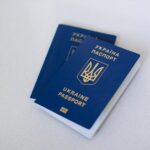
In a world where borders ripple like the surface of an ever-shifting sea, the phenomenon of migration flows ceaselessly, reshaping societies and redefining identities. “Waves Across Borders: Understanding Global Migration Today” invites readers to navigate the complex currents of human movement that traverse continents and cultures. As people embark on journeys propelled by hope, necessity, and resilience, these waves ripple far beyond the physical passage—impacting economies, politics, and the very fabric of communities worldwide. This exploration seeks to illuminate the multifaceted nature of migration in the modern era, unraveling the stories and forces that propel the global tide of change.
The Forces Shaping Today’s Global Migration Patterns
Migration today is influenced by a confluence of complex and dynamic forces that transcend borders and blur traditional definitions of movement. Economic disparities act as a primary magnet, drawing individuals towards regions with better employment prospects and improved living standards. However, this is only one layer of a multifaceted picture. Environmental changes, such as climate-induced droughts and rising sea levels, have become increasingly pivotal, pushing communities out of their ancestral lands. Political instability and armed conflicts further exacerbate displacement, creating waves of refugees seeking safety beyond their home countries.
The interplay between these factors generates diverse migration streams that vary in scale and motivation. Key drivers include:
- Economic aspirations: Seeking better livelihoods and employment opportunities
- Environmental pressures: Natural disasters and climate change effects
- Conflict and persecution: Escaping war zones and oppressive regimes
- Family reunification: Rejoining relatives and communities abroad
| Driver | Impact | Example Regions |
|---|---|---|
| Economic Aspirations | Labor migration, remittances | South Asia to Gulf States |
| Environmental Pressures | Displacement, urban overcrowding | Pacific Islands, Sahel region |
| Conflict and Persecution | Refugee crises, asylum seeking | Syria, Venezuela, Myanmar |
| Family Reunification | Social cohesion, community building | Latin America to USA, Europe |

Economic Opportunities and Challenges in Host Countries
As waves of migrants reshape economies, host countries find themselves navigating a complex landscape of opportunities and challenges. On one hand, the influx of diverse talents can invigorate local industries, spur innovation, and fill critical labor shortages. Many sectors, such as technology, healthcare, and agriculture, depend heavily on migrant labor to sustain growth and competitiveness. Additionally, immigrants often bring entrepreneurial spirit, launching new businesses that generate jobs and contribute to economic dynamism.
However, the integration of migrants into the workforce can also strain public resources and fuel social tensions if policies aren’t carefully crafted. Host nations must balance the short-term costs with long-term benefits, focusing on inclusive economic strategies that foster skill development and equitable access. Below is a snapshot of key economic impacts influencing host countries:
| Opportunity | Challenge |
|---|---|
| Boosting Innovation and Entrepreneurship | Pressure on Social Services and Housing |
| Filling Labor Gaps in Key Industries | Potential Wage Competition and Job Market Shifts |
| Cultural Diversity Driving Global Market Access | Challenges in Workforce Integration and Communication |
- Economic growth: Migrants contribute significantly to GDP growth when properly integrated.
- Fiscal impact: The balance between social benefits and tax contributions varies across demographics.
- Workforce dynamics: Migration alters labor market compositions, sometimes complementing native workers.
Cultural Integration and the Dynamics of Multicultural Societies
In the vibrant tapestry of global migration, cultural integration becomes both a challenge and a catalyst for societal evolution. As migrants bring diverse customs, languages, and traditions, multicultural societies flourish through the exchange of ideas and mutual respect. Yet, this blending requires conscious efforts to bridge gaps and foster understanding, ensuring that diversity does not lead to division but to enrichment. The success of integration relies heavily on education, community engagement, and inclusive policies that celebrate differences while nurturing a shared identity.
Social dynamics shift as communities reconfigure themselves with new arrivals, highlighting the importance of adaptive frameworks. These frameworks often emphasize:
- Intercultural dialogue: Encouraging conversations that break stereotypes and build empathy.
- Equitable access: Ensuring migrants have equal opportunities to participate economically and socially.
- Preservation of heritage: Valuing cultural roots as part of national identity rather than obstacles.
Through these pillars, societies can transform immigration from a source of tension to a powerful driver of innovation and cohesion, creating environments where every voice enriches the collective narrative.
Policy Frameworks That Balance Security and Compassion
Creating legislation that respects human dignity while ensuring national safety requires a delicate equilibrium. Effective frameworks emphasize transparency and cultural sensitivity, allowing for policies that are as fluid and dynamic as migration flows themselves. Governments and organizations must collaboratively develop strategies that address concerns such as border security, refugee protection, and labor mobility without compromising on the humanitarian principles that underpin modern migration discourse.
The following core principles often emerge as foundational in this balanced approach:
- Inclusive stakeholder engagement: Involving communities, migrants, and civil society in policy design.
- Rights-based enforcement: Upholding international human rights standards during border control and detention processes.
- Adaptive policy mechanisms: Allowing for timely adjustments as migration trends evolve.
- Integrated support systems: Linking security measures with social services to aid integration and resilience.
| Policy Element | Security Aspect | Compassionate Aspect |
|---|---|---|
| Screening Procedures | Prevent unauthorized entry | Respect privacy and dignity |
| Asylum Processes | Verify claims efficiently | Ensure fair access and protection |
| Border Patrols | Monitor and control movement | Employ training in cultural sensitivity |
| Integration Programs | Minimize social tensions | Promote inclusion and support |
Innovative Solutions for Sustainable and Equitable Migration
To navigate the complexities of migration in the 21st century, solutions must be both sustainable and deeply rooted in equity. This means reimagining policy frameworks that empower migrants rather than merely control their flow. Holistic approaches include:
- Community-driven integration programs fostering cultural exchange and economic inclusion
- Investment in green infrastructure within migrant-dense urban areas
- Technological platforms that provide accessible legal aid and real-time migration resources
- Collaborations between governments and civil society to ensure rights-based migration governance
Equitable migration is not just a goal—it’s a dynamic process that requires constant innovation and cooperation. Below is an outline of key components driving progress in sustainable migration initiatives:
| Component | Focus Area | Impact |
|---|---|---|
| Policy Innovation | Inclusive legislation | Enhanced protection for migrants’ rights |
| Community Engagement | Local integration programs | Stronger social cohesion |
| Technology Use | Digital platforms & apps | Improved access to services |
| Environmental Strategy | Sustainable urban planning | Reduced ecological footprint |
Concluding Remarks
As the tides of migration continue to ripple across continents, reshaping societies and redefining identities, it becomes clear that these movements are more than mere numbers or headlines—they are stories of human resilience, hope, and transformation. In understanding the complex currents of global migration today, we open ourselves to a deeper empathy and a richer appreciation of our shared humanity, reminding us that borders may divide land, but they are no match for the enduring spirit that drives people to seek new horizons.