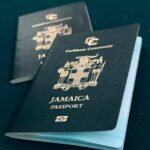
In a world woven together by countless journeys, migration stands as one of the most profound narratives shaping humanity. From ancient trails trod by early explorers to modern flights spanning continents, the movement of people across borders tells a story of hope, resilience, and transformation. “Waves Across Borders: Unveiling the Story of Global Migration” invites readers to explore the tides of human experience that ebb and flow beyond geographical lines, revealing not only the challenges and opportunities faced along the way but also the enduring connections that bind us all. Through this lens, we embark on a timely reflection of migration’s impact on societies, cultures, and the very fabric of our shared world.
The Historical Currents Shaping Migration Patterns
Throughout history, migration has flowed like a mighty river, shaped by a myriad of forces that have propelled humanity from one shore to another. Economic upheavals, climatic shifts, and political turmoil have intertwined to create complex migration tapestries. From the ancient trade routes connecting distant civilizations to the mass movements during the Industrial Revolution, each wave has left indelible marks on cultures and landscapes. These currents reveal not only the relentless human quest for survival and opportunity but also the transformative power of exchange and adaptation.
Understanding these forces means recognizing patterns such as:
- Colonial expansions: Redrawing borders and establishing new social orders.
- Natural disasters: Forcing communities to abandon ancestral lands.
- Technological advances: Making distant lands more accessible and migration more feasible.
| Era | Key Driver | Impact |
|---|---|---|
| 15th–17th Century | Age of Exploration | Global trade and forced migrations |
| 18th–19th Century | Industrial Revolution | Urbanization and labor movements |
| 20th Century | Political upheaval & wars | Refugee crises and diaspora formation |

Economic and Social Drivers Behind Human Movement
Behind every wave of migration lies a complex tapestry woven from economic opportunities and social dynamics. People are often propelled to cross borders by the allure of better employment prospects, the promise of improved living standards, and the pursuit of educational advancement. Economic disparities between regions act as powerful magnets, drawing individuals from less prosperous areas to those bustling with growth and innovation. Additionally, social networks play a crucial role; established communities abroad provide newcomers with support systems that ease integration and create a sense of belonging. This interplay of needs and aspirations highlights how migration is not merely a physical journey but a calculated response to shifting economic landscapes and social bonds.
Understanding the multifaceted forces behind migration requires delving into factors beyond income alone. Consider the following dimensions that influence human movement:
- Political Stability: Safety and governance can either anchor or push people away.
- Environmental Changes: Natural disasters and climate shifts disrupt livelihoods and habitats.
- Cultural Ties: Language, religion, and shared heritage encourage relocations.
- Demographic Trends: Youth bulges in some nations intensify migration pressure.
| Driver | Impact | Example |
|---|---|---|
| Job Shortages | High emigration rates | Rural-to-urban exodus in Asia |
| Conflict | Refugee flows | Syrian civil war diaspora |
| Education | Skilled labor mobility | International student migration |
Challenges Faced by Migrants on the Journey
Every step taken by migrants on their voyage is laden with obstacles that test their resilience and hope. Navigating through unfamiliar terrains often means confronting unpredictable weather, scarce food and water supplies, and the constant threat of exploitation by unscrupulous intermediaries. The physical toll is compounded by emotional strain—fear of the unknown, separation from loved ones, and the anxiety of uncertain futures weigh heavily on their spirits. Across deserts, mountains, and open seas, these challenges form a crucible that can either break or fortify those who embark on the journey.
Beyond the tangible trials, migrants grapple with bureaucratic hurdles and legal barriers that can halt progress or push them towards dangerous choices. Language differences, lack of documentation, and limited access to healthcare heighten vulnerability at every turn. The complexity of traversing multiple nations often involves:
- Crossing insecure borders with little protection
- Facing exploitation and discrimination from locals or authorities
- Encountering detention centers or prolonged legal limbo
| Challenge | Impact | Common Location |
|---|---|---|
| Harsh Environmental Conditions | Dehydration, exhaustion | Deserts, seas |
| Legal Barriers | Detention, deportation | Border checkpoints |
| Language Barriers | Misinformation, isolation | Transit cities |
The Role of Policies in Shaping Migration Outcomes
Policies serve as the invisible currents that steer the vast ocean of human migration, often determining who moves, where they settle, and with what opportunities they find themselves. Migration outcomes are not merely products of economic or social forces, but are deeply shaped by the laws and regulations that governments enact. From visa regimes to asylum frameworks, these policies create structures that either open doors or raise barriers, influencing not only the scale of migration but also the integration experiences of migrants. The ripple effects extend beyond borders, affecting labor markets, cultural landscapes, and international relations.
Within this complex interplay, certain policy elements stand out as pivotal:
- Regularization programs offering pathways to citizenship, which can transform temporary stays into permanent contributions to society.
- Border enforcement measures that impact the safety and legality of migration flows.
- Social protections and labor laws that influence migrant well-being and economic inclusion.
| Policy Type | Impact on Migration | Example |
|---|---|---|
| Asylum Policies | Defines protection eligibility | EU Common Asylum System |
| Labor Migration Laws | Regulates work permits | Canada’s Seasonal Worker Program |
| Border Security Measures | Controls unauthorized crossings | U.S. Enhanced Surveillance |
Each policy decision acts as a waypoint on the journey of migration, shaping not just where people move, but how they move and what they encounter along the way. Understanding these frameworks allows us to grasp the delicate balance between sovereign control and human aspirations that define global migration today.
Building Inclusive Communities Through Collaborative Solutions
At the heart of thriving communities lies the power of collective action, where diverse voices converge to co-create environments that honor every individual’s story and potential. Embracing collaborative solutions means going beyond tolerance; it is about weaving a vibrant social fabric through shared goals, mutual respect, and inclusive dialogue. Whether it’s local neighborhoods or larger urban centers, forging these alliances calls for innovative platforms that champion intersectionality and amplify marginalized perspectives without dilution. This dynamic synergy transforms challenges into shared opportunities, crafting pathways that celebrate cultural plurality as a source of strength rather than division.
Practical steps toward this vision are rooted in empowering networks where community members take active roles in decision-making. Key strategies include:
- Inclusive Educational Programs: Offering culturally responsive learning experiences to foster empathy and cross-cultural literacy.
- Participatory Urban Planning: Engaging residents in designing public spaces that reflect diverse needs and histories.
- Shared Economic Initiatives: Creating cooperative businesses and resource exchanges that reinforce economic equity.
- Dialogues and Storytelling: Encouraging storytelling circles that humanize migration narratives and dismantle stereotypes.
| Community Action | Impact | Example |
|---|---|---|
| Multilingual Workshops | Enhanced Communication | Language cafés for cultural exchange |
| Shared Art Projects | Cross-cultural Understanding | Mural collaborations featuring migration stories |
| Local Advisory Councils | Inclusive Governance | Resident participation in policy planning |
In Summary
As the tides of migration continue to reshape the contours of our world, the stories carried across borders remind us of our shared humanity—of hopes pursued, challenges confronted, and new beginnings forged. “Waves Across Borders” invites us to look beyond maps and statistics, to listen closely to the currents that connect lives and cultures across continents. In embracing these journeys, we uncover not just the story of migration, but a timeless narrative of resilience, transformation, and the unending quest for belonging.