
In an era defined by relentless movement and interconnected horizons, the story of human migration unfolds like waves crossing vast oceans—unseen yet unstoppable. “Waves Without Borders: Navigating the Currents of Global Migration” invites us to explore the complex tides shaping the journeys of millions who traverse continents in search of new beginnings. Beyond statistics and policies, these currents carry hopes, challenges, and transformations that ripple through societies worldwide. As borders blur and cultures intermingle, understanding the forces at play becomes essential—not only to navigate the present but to chart a more compassionate and informed future.
Understanding the Multi-Dimensional Drivers of Global Migration
Migration is no longer a mere response to singular issues; it is a tapestry woven from an array of complex, intersecting factors. Economic opportunities, environmental challenges, political unrest, and social networks all play critical roles, creating a multi-layered impetus that propels individuals and communities across borders. This dynamic interplay means that migration routes resemble shifting currents—ever-changing and influenced by invisible forces beneath the surface, from global trade patterns to climate crises. Recognizing these entangled causes helps us appreciate the diversity of migrant experiences and the profound depth of their journeys.
Key drivers shaping global migration:
- Economic disparities: Vast differences in wealth and job availability between regions encourage movement toward prosperity.
- Environmental stress: Natural disasters, rising sea levels, and resource depletion force displacement.
- Political instability: Conflicts, persecution, and governance failures compel people to seek safety elsewhere.
- Social networks: Family ties and diaspora communities create pathways that ease relocation challenges.
| Driver | Impact | Example |
|---|---|---|
| Economic | Job seekers move to urban centers and developed nations | South to North labor migration |
| Environmental | Communities displaced by drought and flooding | Climate refugees from low-lying islands |
| Political | Asylum seekers fleeing war zones | Syrian civil war migration waves |
| Social | Influence of established migrant communities abroad | Indian diaspora in the UK |
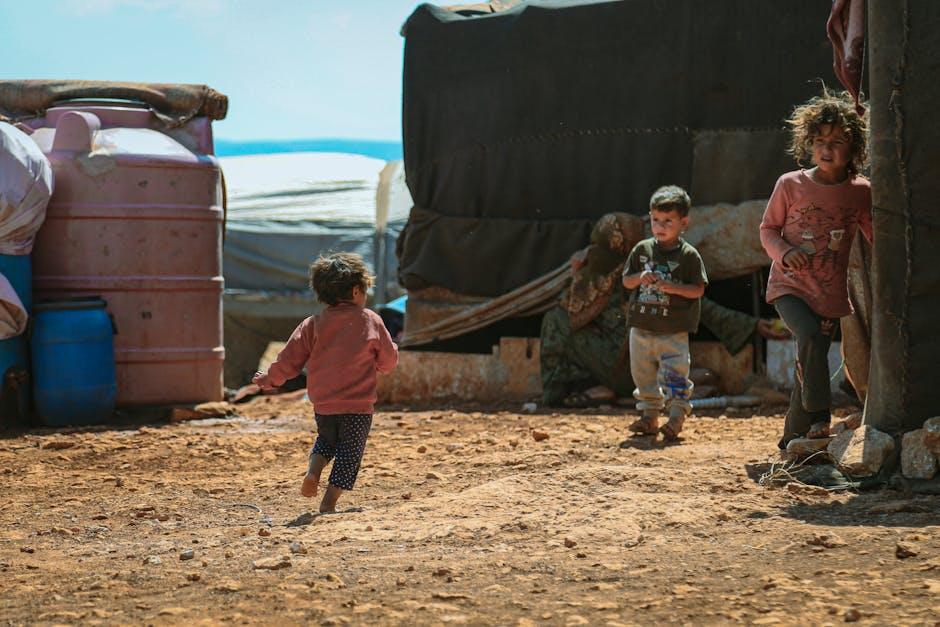
The Socioeconomic Ripple Effects on Origin and Destination Communities
When waves of migration move between communities, the socio-economic landscape reshapes itself, like ripples across a wide lake. Origin communities often experience a paradoxical blend of challenges and opportunities. While the departure of skilled labor and young individuals can lead to short-term economic strain, the steady inflow of remittances often acts as a financial lifeline, fostering local entrepreneurship and infrastructure development. This flow can stimulate educational aspirations, alter family dynamics, and inspire innovation within traditional industries.
On the flip side, destination communities navigate their own transformations—welcoming new cultures, talents, and energy while also contending with resource allocation and integration challenges. The resulting mosaic fuels economic diversification, creating niches in labor markets and enriching cultural landscapes. Consider the following matrix that captures these dual dimensions, portraying how migration reshapes both economies and societies in nuanced, interlinked ways:
| Community Aspect | Origin Effects | Destination Effects |
|---|---|---|
| Economy | Remittances boost local budgets | Labor market diversification |
| Demographics | Aging population & skill drain | Population growth & youth influx |
| Culture | Evolving family structures | Cultural blending & new traditions |
| Social Services | Investment in health and education | Demand for expanded housing & schools |
- Economic resilience emerges through diversified income streams in both communities.
- Social networks extend globally, knitting societies closer through shared experiences.
- Innovation and adaptation accelerate as different ideas converge and coexist.
Challenges and Opportunities in Policy Frameworks for Migrants
Crafting effective policies for migrants requires a delicate balance between compassion and pragmatism. Governments and institutions often grapple with complex legal frameworks that must both protect rights and address national concerns like security and economic stability. One significant challenge lies in the differentiation of migrant categories—refugees, asylum seekers, labor migrants, and undocumented individuals each demand distinct approaches, complicating the formation of a one-size-fits-all policy. Moreover, the rapid pace of global migration often outstrips the legislative agility needed to respond, creating gaps where migrants may find themselves vulnerable to exploitation or insufficient integration support.
Yet within these challenges lie rich opportunities to innovate and collaborate internationally. Policies that embrace inclusive frameworks can transform migration into a powerful catalyst for cultural enrichment and economic growth. Key strategies include:
- Implementation of dynamic, data-driven policy tools to anticipate migration trends.
- Strengthening bilateral and multilateral agreements to harmonize migrant rights and responsibilities.
- Engaging local communities in dialogue and integration initiatives, fostering mutual understanding.
Below is a snapshot comparison that captures the policy landscape’s evolving nature:
| Policy Aspect | Traditional Approach | Emerging Opportunity |
|---|---|---|
| Legal Framework | Rigid, category-centered | Flexible, rights-based |
| Integration | Assimilation-focused | Cultural exchange-driven |
| International Cooperation | Bilateral, limited scope | Multilateral, holistic |
Innovative Approaches to Integration and Community Building
As global migration reshapes the social fabric, traditional methods of community building are being reimagined through ingenious, inclusive methods. Embracing digital platforms, local organizations and migrants themselves co-create virtual spaces where cultural exchanges happen effortlessly, transcending physical boundaries. These platforms foster real-time dialogue, skill sharing, and cultural celebrations, enabling newcomers to maintain their heritage while weaving new threads into the local tapestry. Collaborative cooking classes, language cafes, and neighborhood storytelling circles are just a few examples where personal connections blossom, cultivating a profound sense of belonging and shared identity.
Innovative initiatives often focus on empowerment through participation, ensuring integration is a two-way street. The following table highlights diverse projects that blend tech, art, and education to nurture community bonds:
| Project Name | Approach | Impact |
|---|---|---|
| Culture Connect | Interactive virtual meetups | Increased intercultural understanding |
| Seedling Stories | Community mural projects | Visual representation of diverse narratives |
| Tech Together | Coding workshops for migrant youth | Employment pathways and digital literacy |
- Participatory art installations that invite community members to co-create and display their stories.
- Mentorship programs linking newcomers with established residents, fostering trust and guidance.
- Mobile resource centers that travel to underserved neighborhoods, providing support and information.
Empowering Migrants Through Technology and Cross-Border Collaboration
In the dynamic landscape of global migration, technology acts as a bridge that spans continents, connecting migrants with essential resources, legal aid, and community networks. Cutting-edge mobile applications and platforms empower individuals to navigate complex immigration processes, access real-time updates, and find safe housing or employment opportunities. This digital transformation not only streamlines communication but also amplifies the voices of migrants, allowing them to share experiences and find solidarity across borders.
Cross-border collaboration furthers this momentum by fostering partnerships between governments, NGOs, and tech innovators. Together, they develop tailored solutions that address migration challenges holistically. Key focus areas include:
- Data sharing: Secure and ethical exchange of migration patterns to enhance policy-making.
- Capacity building: Training programs for migrant communities to improve digital literacy.
- Support networks: International coalitions that provide legal, medical, and psychological aid.
| Technology Tool | Function | Beneficiaries |
|---|---|---|
| Mobile Helpdesk Apps | 24/7 access to legal advice | Asylum Seekers |
| Language Learning Platforms | Localized language courses | New Arrivals |
| Cross-Border Data Hubs | Tracking migration flows | Policy Makers |
Closing Remarks
As the tides of migration continue to reshape our world, “Waves Without Borders” reminds us that human movement is as natural and persistent as the ocean’s currents. Navigating these complex flows requires patience, empathy, and cooperation—qualities that transcend borders just as decisively as the waves cross them. In embracing the stories and struggles carried on these global currents, we come closer to understanding not just where people go, but why they journey—and how we might all find common ground amid the ceaseless movement of humanity.




