In an age where the tides of movement sweep across continents with unprecedented force, the story of humanity is being rewritten by forces unseen yet profoundly felt. “Waves Without Borders: Navigating the New Age of Global Migration” invites readers to embark on a journey through the complex currents of modern migration—where borders blur, identities shift, and the search for home takes new shapes. As millions traverse oceans and deserts, cities and rural landscapes, the narrative of migration unfolds not just as a matter of geography but as a powerful testament to resilience, adaptation, and the ever-evolving mosaic of global society. This exploration seeks to unravel the layered realities behind the headlines, offering insight into the hopes, challenges, and transformations that define this new era of human movement.
Understanding the Forces Driving Global Migration Trends
At the heart of modern migration are intricate forces interweaving economics, environment, and geopolitics. People no longer move simply in search of jobs; climate change, political instability, and social transformations are equally potent catalysts. For instance, droughts and rising sea levels threaten traditional livelihoods, pushing entire communities into new territories. Simultaneously, global connectivity and digital platforms enable a more dynamic migration flow, where networks of information and support cross borders as seamlessly as the migrants themselves.
This multifaceted landscape challenges conventional explanations of migration and demands a nuanced understanding. Migration today is shaped by:
- Economic disparities between regions, driving labor movement.
- Conflict-induced displacement, creating waves of refugees and asylum seekers.
- Environmental pressures like natural disasters and resource depletion.
- Policy shifts influencing border controls and migrant integration.
| Driving Force | Impact Scale | Example Region |
|---|---|---|
| Economic | High | South Asia to Middle East |
| Conflict | Severe | Middle East to Europe |
| Environmental | Increasing | Pacific Islands |
| Policy | Variable | North America |
The Human Stories Behind Cross-Border Movement
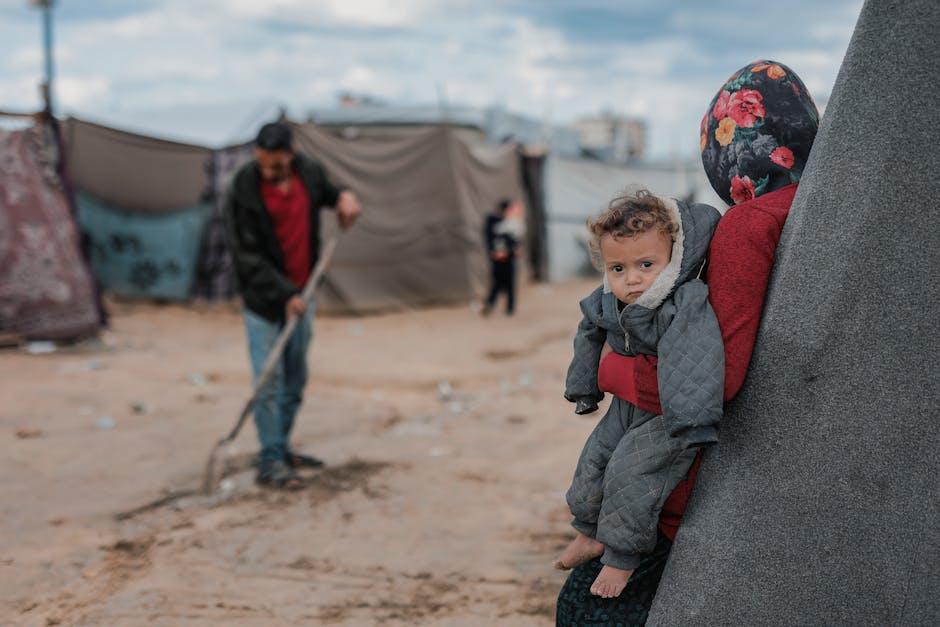
Behind every migration statistic lies a tapestry of personal journeys—stories of hope, resilience, and transformation. Consider Amina, who left her village in search of education opportunities, or Carlos, who crossed continents to reunite with family separated by borders. These human experiences reveal the profound emotional and social dimensions of global migration, reminding us that each wave carries dreams and challenges as vast as the oceans themselves.
Understanding these narratives enriches our perspective on migration’s impact. For many, the voyage is not just physical but deeply emotional, marked by moments of loss, adaptation, and renewal. The table below highlights common themes encountered by migrants worldwide:
| Theme | Experience | Emotional Impact |
|---|---|---|
| Separation | Leaving loved ones behind | Loneliness, longing |
| Opportunity | New jobs and education | Hope, excitement |
| Adaptation | Learning new cultures and languages | Challenge, growth |
| Resilience | Overcoming hardships | Strength, perseverance |
Challenges and Opportunities in Host Communities
As global migration reshapes cities and rural landscapes alike, host communities stand at the crossroads of transformation and tension. The influx of newcomers presents an intricate mosaic of cultures, languages, and skills, fueling vibrant economies and enriching social fabrics. Yet this dynamic also unveils pressing challenges: resource strain, housing shortages, and cultural friction that can ripple into local governance crises. In this delicate dance, resilience and adaptability become the cornerstones, encouraging policymakers and residents to envision integrative solutions grounded in empathy and innovation.
Emerging opportunities arise from the synergies between long-term residents and newcomers, sparking fresh collaborations and economic revitalization. Communities embracing diversity often see a surge in creative industries, new business ventures, and enhanced global connectivity. Facilitating this requires:
- Inclusive education programs that bridge cultural divides
- Community-built platforms for dialogue and mutual understanding
- Equitable access to public services and employment
| Challenge | Opportunity |
|---|---|
| Housing pressure | Innovative urban planning |
| Language barriers | Multilingual education |
| Social integration | Community cultural festivals |
Innovative Policy Approaches for Inclusive Integration
To truly embrace the complexity of modern migration, policymakers are pivoting towards dynamic frameworks that prioritize adaptability and community engagement over static regulations. These models encourage co-creation with migrant populations, allowing for tailored integration plans that respect cultural diversity while fostering shared civic values. Key initiatives are focusing on linguistic accessibility, mental health support, and equitable access to education and employment while dismantling systemic barriers through participatory governance.
- Community-Led Councils: Empower migrants to voice their needs and collaborate on local development.
- Flexible Legal Pathways: Introduce responsive visa and residency schemes adaptable to changing global trends.
- Inclusive Economic Policies: Facilitate migrant entrepreneurship and workforce integration with tailored training programs.
| Policy Element | Innovative Approach | Expected Impact |
|---|---|---|
| Integration Hubs | One-stop service centers combining legal, social, and health aid | Accelerated access to essential resources |
| Digital Inclusion | Virtual platforms offering language courses and civic orientation | Broadened reach and increased participation |
| Cross-sector Collaboration | Partnerships between governments, NGOs, and private sector | Holistic support accelerating social cohesion |
By fostering an ecosystem where policy is both inclusive and innovative, societies can navigate the tides of migration with resilience and empathy. The future of integration depends on leveraging technology, strengthening intercultural dialogue, and dismantling exclusionary systems that hinder equal opportunity. Solutions rooted in local realities, yet informed by global best practices, hold the key to transforming migration from a challenge into a shared opportunity for growth and enrichment.
Building Bridges Through Technology and Collaboration
In an era where borders seem more permeable yet paradoxically more contested, technology emerges as a beacon of hope—inspiring seamless connections that transcend geography. Collaborative platforms powered by AI, blockchain, and real-time translation technologies are not just tools; they are lifelines that foster understanding and cooperation among diverse communities. From interactive digital forums to virtual cultural exchanges, technology enables migrants and host societies to weave a tapestry of shared stories and opportunities, nurturing empathy and mutual growth.
Key to this progress is a concerted effort among governments, NGOs, and private sectors, ensuring technology’s responsible and inclusive deployment. Successful initiatives often embrace:
- Open-source software to empower local innovators
- Cross-border data sharing that respects privacy and human rights
- Community-driven development models that amplify migrant voices
Below is a snapshot of collaborative projects reshaping migration narratives:
| Project | Technology Used | Impact |
|---|---|---|
| BridgeChat | AI Translation & Messaging | Connected 10,000+ migrants with local aid |
| SafePath | Blockchain Identification | Secured legal identity for 5,000+ refugees |
| Cultural Mingle | Virtual Reality Immersion | Facilitated empathy workshops in 15 countries |
To Conclude
As the tides of migration continue to ebb and flow across continents, the story of human movement becomes ever more intricate—an evolving dance that transcends borders and defies simple answers. In this new age of global migration, waves crash not just against distant shores but against the very fabric of societies, economies, and identities. Navigating this complex seascape requires more than policies or statistics; it demands empathy, innovation, and a collective vision that honors the shared journey of humanity. Ultimately, the waves without borders remind us that migration is not merely a phenomenon to manage but a force to understand—a testament to our enduring quest for connection, opportunity, and belonging.