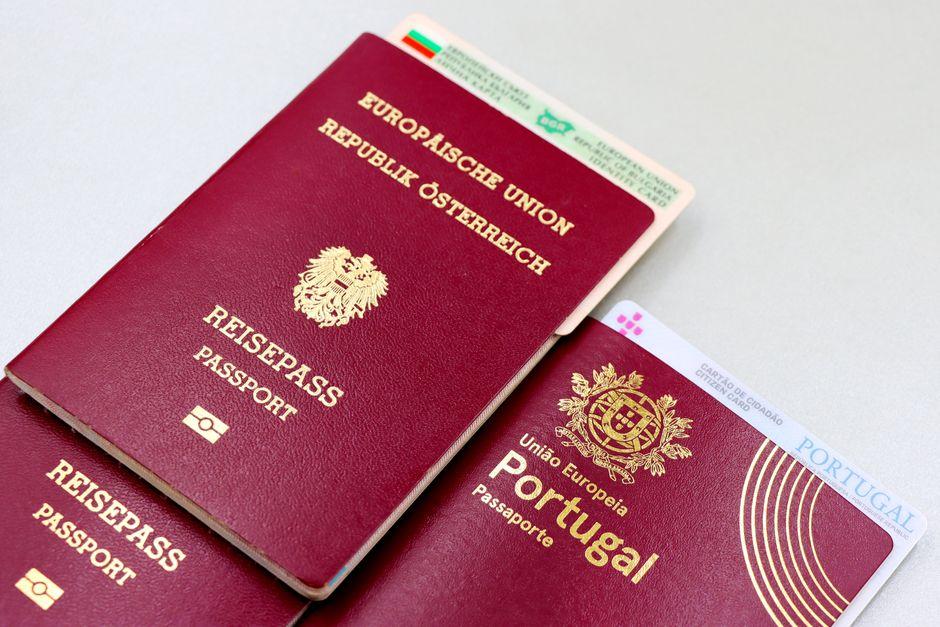
What Is Citizenship Through Investment? Exploring Benefits, Processes, and Global Options

nexcitizens

July 28, 2026

In an increasingly interconnected world, the concept of citizenship has evolved beyond the traditional notions of birthright or long-term residency. Enter citizenship through investment-a pathway offering individuals the unique opportunity to obtain a new nationality by contributing economically to a country. This innovative approach not only opens doors to global mobility and expanded business prospects but also introduces a complex blend of legal, financial, and ethical considerations. In this article, we delve into the essence of citizenship through investment, unraveling its benefits, exploring the step-by-step processes involved, and mapping out the diverse options available worldwide. Whether driven by lifestyle changes, economic strategy, or a desire for international freedom, understanding this phenomenon is essential in today’s global landscape.

Understanding Citizenship Through Investment and How It Works

Understanding Citizenship Through Investment and How It Works

Citizenship Through Investment (CTI) is a legal process allowing individuals to obtain citizenship in a foreign country by making a significant financial contribution to that nation. Typically, this involves investing in real estate, government bonds, business ventures, or development funds. The primary goal of CTI programs is to attract foreign capital that boosts the host country’s economy, infrastructure, or social projects. Unlike traditional naturalization, which may require years of residence and cultural integration, CTI offers a faster, more straightforward pathway to citizenship, often granting investors and their families access to new passports within months. Key factors typically considered include the minimum investment amount, due diligence and background checks, and the overall application process, which varies by country but generally considers the applicant’s source of funds and adherence to legal requirements.

The benefits of acquiring citizenship through investment extend beyond expedited processing. Investors gain the right to live, work, and study in the target country, enhanced global mobility through visa-free travel to several destinations, and favorable tax regimes in some jurisdictions. Many programs also extend citizenship to immediate family members, including spouses and dependent children. However, prospective applicants must navigate common issues such as rigorous documentation, compliance with anti-money laundering regulations, and occasional skepticism regarding ethical implications. When comparing global options, factors like investment threshold, geopolitical stability, passport strength, and residency requirements are crucial for making an informed choice. For example, some popular CTI programs require no physical residency, while others mandate a short stay. Below is a brief comparative overview of typical investment requirements in select countries:

Country Minimum Investment Processing Time Residency Requirement
St. Kitts & Nevis $150,000 (donation) or $200,000 (real estate) 3-6 months None
Malta €600,000 (contribution + investment) 12-14 months 12 months (can be shortened)
Turkey $400,000 (real estate) 3-6 months None

The Advantages and Challenges of Investing for Citizenship

The Advantages and Challenges of Investing for Citizenship

Citizenship through investment offers a unique pathway for individuals seeking global mobility, financial diversification, or enhanced lifestyle options. Among the primary advantages are:

  • Expedited Citizenship: Unlike traditional naturalization processes that can take years, investment programs often grant citizenship within months.
  • Access to Visa-Free Travel: Many investment citizenships provide passports that significantly expand travel freedom to numerous countries without requiring visas.
  • Business and Tax Benefits: Investors may gain access to favorable tax regimes, new markets, and business-friendly environments, enhancing their economic opportunities.
  • Family Inclusion: These programs commonly allow for the inclusion of spouses, children, and sometimes extended family, offering comprehensive benefits to relatives.

While attractive, these programs also present specific challenges that prospective applicants should carefully evaluate. Common concerns include:

  • High Financial Commitment: Investment thresholds can be substantial, ranging from real estate purchases to government bonds or direct contributions.
  • Due Diligence and Compliance: Rigorous background checks may disqualify applicants with complex legal or financial histories, prolonging the approval process.
  • Potential for Changing Regulations: Governments periodically revise criteria, investment amounts, or application procedures, adding uncertainty for candidates.
  • Limited Dual Citizenship Recognition: Some countries restrict dual nationality, requiring applicants to consider the legal implications thoroughly.
Aspect Advantages Challenges
Time to Citizenship Often within 6-12 months Processing delays due to due diligence
Cost Potential for long-term financial and strategic gain High upfront investments, often >$100,000
Legal Status Full citizenship rights including passport Possible restrictions on dual citizenship depending on home country

Comparing Global Programs for Citizenship by Investment

Citizenship by investment programs worldwide vary significantly in their requirements, benefits, and processing times, making it crucial to compare options before committing. While countries like Malta and Cyprus offer European Union passports with visa-free travel across 180+ destinations, they typically require higher financial contributions and more stringent background checks. In contrast, countries such as Dominica and St. Kitts & Nevis focus on affordability and speed, often granting citizenship within 3-6 months through direct donations or real estate investments. Key factors to evaluate include minimum investment thresholds, due diligence standards, residency obligations, and the political stability of the host nation to ensure both security and long-term value.

  • Investment Amounts: Range from under $100,000 in some Caribbean states to over €1 million in European programs.
  • Processing Time: Varies from 1 month in some fast-track islands to over 12 months in countries with thorough vetting.
  • Access & Mobility: European passports offer broader travel freedom; Caribbean passports provide visa-free access primarily within the Americas and parts of Asia.
  • Taxation & Residency: Some programs require physical presence or have tax implications, while others allow true “passport-only” investment.
Country Minimum Investment Processing Time Visa-Free Access Residency Requirement
Dominica $100,000 (donation) 3-4 months Over 140 countries None
Malta €750,000+ 12-14 months EU + 180+ countries 12 months minimum
Saint Kitts & Nevis $150,000 (donation) 3-6 months Over 150 countries None
Turkey $400,000 (real estate) 3-6 months Relatively limited (~110 countries) None

Choosing the right citizenship by investment program depends heavily on personal goals-whether it’s maximizing global mobility, obtaining tax advantages, or securing family access. Prospective investors should prioritize transparency and legal compliance and often benefit from expert guidance to navigate changing regulations. Ultimately, the best program balances affordability, reliability, and the specific advantages most aligned with one’s lifestyle and long-term plans.

Key Considerations When Choosing an Investment Citizenship Path

  • Investment Requirements and Financial Thresholds: The primary factor when choosing a citizenship through investment program is understanding the specific financial commitments involved. These can range from real estate purchases, donations to government funds, to business investments, each with varying minimum thresholds. For example, countries like St. Kitts and Nevis offer a donation option starting around $150,000, whereas others like Malta may require investments exceeding €650,000. Assessing these requirements against your budget and long-term financial goals is crucial to ensure feasibility and compliance.
  • Processing Time and Residency Obligations: Timelines for obtaining citizenship via investment vary widely between jurisdictions, often correlating with the program’s complexity and due diligence procedures. Some programs, like Dominica’s, approve applications within 3-6 months, while others may take over a year. Additionally, residency or physical presence requirements can affect your decision-some countries demand a minimum number of days residing locally, while others permit full remote citizenship acquisition. Understanding these conditions helps align the investment citizenship path with your lifestyle and mobility preferences.
Key Consideration Typical Range/Example Impact on Decision
Investment Type Donation, Real Estate, Business Determines upfront cost and asset control
Minimum Investment Amount $100,000 – €1,000,000+ Affects affordability and project scope
Application Processing Time 3 months – 18 months Influences urgency and planning
Residency Requirement None to 12+ months per year Impacts ability to travel and maintain lifestyle
Visa-Free Travel Access 100+ countries (Schengen, UK, etc.) Enhances global mobility

Common Misconceptions About Buying Citizenship Explained

  • Buying Citizenship Doesn’t Mean Skipping Legal Process: A common misconception is that citizenship through investment is a shortcut to bypass immigration laws or residency requirements altogether. In reality, applicants must fulfill strict criteria set by each country’s government, including background checks, due diligence, and valid financial commitments. The process is transparent and regulated, ensuring only qualified investors gain citizenship. It is not a “quick fix” but rather a legal framework designed to attract foreign investment while maintaining national security and integrity.
  • It’s Not an Automatic Right, But a Privilege Earned: Another widely believed myth is that investing a large sum automatically guarantees citizenship. While financial contribution is crucial, governments usually require applicants to demonstrate genuine intent, clean criminal records, and sometimes a minimal physical presence. Unlike birthright citizenship, this is a selective pathway, balancing economic benefit with rigorous screening. Therefore, citizenship through investment should be seen as a strategic decision-an option to diversify one’s global mobility and economic opportunities, rather than a simple transaction.
Misconception Reality
Instant citizenship without checks Thorough due diligence and application process
Large investment guarantees approval Investment plus other eligibility criteria must be met
Only wealthy individuals can benefit Some programs have varying investment options or family inclusivity

To Wrap It Up

In a world where borders are both bridges and boundaries, citizenship through investment offers a unique pathway to global mobility, opportunity, and security. Whether driven by business ambitions, lifestyle changes, or a desire for greater freedom, understanding the benefits, processes, and diverse options available worldwide equips you to make informed decisions. As nations continue to evolve their programs, this dynamic approach to citizenship remains a compelling chapter in the story of how we connect, belong, and thrive on a global stage. Whatever your goals may be, navigating this journey with clarity and care can open doors to a world of new possibilities.