
In an increasingly interconnected world, the concept of identity no longer fits neatly within the borders of a single nation. Dual national citizenship, once a rarity, has become a fascinating and complex phenomenon that offers individuals the possibility of belonging to two countries at once. But what exactly does it mean to hold dual citizenship? Beyond the passport stamps and legal status, this unique position carries a mix of opportunities and challenges-affecting everything from personal freedom to civic responsibilities. In this article, we’ll embark on a journey to unravel the intricacies of dual national citizenship, exploring its benefits, the hurdles it can present, and the pathways through which one can qualify to become a citizen of two worlds.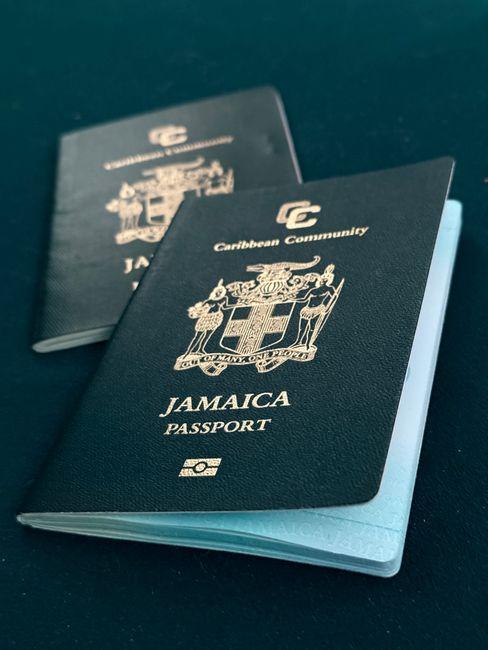
Understanding Dual National Citizenship and Its Global Impact
Dual national citizenship refers to the legal status where an individual is simultaneously recognized as a citizen of two different countries. This arrangement allows people to enjoy rights and responsibilities in both nations, such as voting, working, and accessing social services. Globally, dual citizenship reflects increasing migration, globalization, and interconnected economies, with many countries now accepting or even encouraging it. However, rules vary widely – some countries permit unrestricted dual citizenship, while others require individuals to renounce previous citizenships to naturalize. Understanding these distinctions is crucial for anyone considering applying for or maintaining dual nationality, as it influences travel, legal rights, and tax obligations across jurisdictions. Key benefits often sought include broader employment opportunities, easier travel through multiple passports, access to education and healthcare systems in two countries, and cultural integration for families with mixed national backgrounds.
Despite its advantages, dual citizenship brings unique challenges that should not be overlooked. These often involve complex legal obligations, such as potential double taxation, military service requirements, or conflicting national laws around allegiance. For example, some dual nationals may face difficulties with diplomatic protection when abroad or complications in inheritance laws if both countries’ legal systems differ dramatically. Additionally, managing official documentation, visas, and identity verification across borders can be time-consuming and sometimes expensive. Below is a brief comparison highlighting core differences and considerations between single and dual citizenship to help clarify these aspects:
| Aspect | Single Citizenship | Dual Citizenship |
|---|---|---|
| Legal Rights | Rights limited to one country | Rights in two countries, including voting and residence |
| Tax Obligations | Taxed by one country | Possible dual tax filing, depending on treaties |
| Travel | One passport, with visa restrictions | Multiple passports, often easing travel |
| Military Service | Subject only in one country | May have obligations in both nations |
| Diplomatic Protection | Protection from one government abroad | Potential conflicts in consular assistance |
- Recommendation: Consult legal experts or government agencies when considering dual citizenship to navigate its complexities effectively.
- Personal Impact: Evaluate your long-term goals, family ties, and career plans to determine if dual citizenship aligns with your needs.

Navigating the Advantages and Complications of Holding Two Passports
However, navigating the complications of dual citizenship requires careful consideration. Dual citizens may face complex tax obligations, as some countries tax based on citizenship, not just residency, meaning you might owe taxes in both nations. Conscription laws can also pose issues-some countries require military service, so dual nationals should understand these requirements beforehand. Legal conflicts can arise if the two countries have different stances on issues like criminal jurisdiction or diplomatic protection. Furthermore, not all countries recognize dual nationality, which may lead to the loss of one citizenship upon acquiring another. To manage these challenges effectively, it’s crucial to research each country’s policies thoroughly and consult legal experts on immigration and tax law. Here’s a brief comparison of common pros and cons:
| Advantages | Complications |
|---|---|
| Visa-free travel to more countries | Double taxation risks |
| Access to healthcare and education benefits | Military service obligations in some countries |
| Property ownership and work rights | Potential loss of citizenship if one country disallows dual status |
| Expanded political rights (voting, running for office) | Legal conflicts and diplomatic complications |
Common Myths About Dual Citizenship Debunked
- Myth 1: Dual citizenship means double taxes. Many assume holding dual nationality automatically subjects them to taxation by both countries. In reality, tax obligations depend on each nation’s laws and bilateral tax treaties. For example, the United States taxes based on citizenship regardless of residence, but most other countries tax based on residency or income sourced within their borders. Understanding local tax regulations and consulting with a tax professional can help avoid unexpected liabilities.
- Myth 2: Dual citizenship requires military service in both countries. Military obligations vary widely, and having dual citizenship does not always mean mandatory conscription. Some countries require service only from residents or male citizens within certain age ranges, while others have no compulsory military duty at all. Check specific national laws to clarify your responsibilities, as many dual nationals successfully avoid dual service by meeting legal exemptions or residency requirements.
- Myth 3: Acquiring a second citizenship forces renouncing the first. This is a common misconception. While some countries do not allow dual citizenship, many embrace it fully, allowing individuals to retain all their rights in both nations. It’s crucial to verify each country’s stance on dual citizenship before applying, as policies differ significantly and affect your legal status and travel freedom.
| Concern | Fact |
|---|---|
| Loss of original citizenship | Not automatic; depends on the countries involved |
| Automatic travel freedom | Enhanced but may still require visas depending on nationality agreements |
| Complicated legal status | Often straightforward if legal advice and country rules are followed |
How to Meet Eligibility Criteria and Secure Dual Nationality
Meeting the eligibility criteria to secure dual national citizenship usually involves satisfying specific legal requirements set by each country involved. Typically, qualifying conditions include:
- Descent or Parentage: Many countries offer citizenship by descent, allowing individuals to claim nationality if one or both parents are citizens.
- Naturalization: Residing legally in a country for a minimum period, demonstrating language proficiency, and integrating into society can open pathways to citizenship.
- Marriage: Spouses of citizens may apply for nationality after meeting residency or time-based criteria.
- Birthplace (Jus Soli): Some nations grant citizenship based on being born on their soil, which may enable dual status if the other country recognizes citizenship by descent.
It’s essential to research each country’s stance on dual nationality because some countries require renouncing previous citizenships to naturalize, while others embrace the concept without restrictions. For example, the United States allows dual citizenship but expects full allegiance, whereas countries like Japan usually demand relinquishment of prior citizenship upon naturalization. To navigate these complexities, applicants should consult official government resources or legal experts. Keeping track of document requirements-such as birth certificates, passports, and naturalization papers-is critical to successfully applying and maintaining both nationalities.
| Country | Dual Citizenship Allowed? | Key Eligibility Criteria |
|---|---|---|
| Canada | Yes | Birthright, descent, naturalization (3 years residency) |
| Germany | Limited | Descent, naturalization with special permission |
| Australia | Yes | Birthright, descent, naturalization (4 years residency) |
| Japan | Generally no | Naturalization requires renouncing other citizenships |
Making an Informed Choice Between Single and Dual Citizenship Options
Choosing between single and dual citizenship hinges on individual circumstances, such as career goals, family ties, and legal responsibilities. Single citizenship means you hold allegiance to one country, simplifying legal obligations like taxation and civic duties. Conversely, dual citizenship allows you to maintain formal ties with two nations, gaining access to benefits like expanded travel freedom, social services in both countries, and the ability to work or live without visa restrictions. However, dual citizenship can also bring complexities, including potential conflicts in legal systems, mandatory military service in one country, or double taxation unless treaties are in place.
When making an informed decision, consider these key factors:
- Legal implications: Research how each country treats dual nationality-some prohibit it or restrict political participation.
- Tax responsibilities: Understand tax obligations in both countries, as dual citizens might file taxes in multiple jurisdictions.
- Rights and protections: Dual citizenship often affords protection and access to consular services in two countries, which can be vital when traveling or working abroad.
- Personal identity and family ties: Emotional and cultural connections may guide your choice toward maintaining citizenship in both nations.
| Aspect | Single Citizenship | Dual Citizenship |
|---|---|---|
| Legal Simplicity | Generally straightforward | Potentially complex, varies by country |
| Travel Flexibility | Limited to one passport | Enhanced, multiple passports |
| Taxation | Single tax system | Possible multiple tax filings |
| Military Obligations | One country’s requirements | May be required by both countries |
| Property Ownership & Rights | Rights confined to one country | Rights in two countries |
Closing Remarks
In the intricate tapestry of modern identity, dual national citizenship weaves together threads of opportunity and complexity. It offers a bridge between worlds, granting access to diverse cultures, economies, and legal landscapes. Yet, with these privileges come challenges-balancing responsibilities, navigating bureaucracy, and embracing a dual sense of belonging. Whether motivated by family ties, career ambitions, or a spirit of exploration, understanding the nuances of dual citizenship is essential. As laws evolve and our global connections deepen, this multifaceted status invites us to consider not just where we come from, but how we choose to belong. Ultimately, dual nationality is more than a legal designation; it is a dynamic journey at the crossroads of identity, rights, and belonging.




