
In an increasingly interconnected world, the concept of citizenship is evolving beyond the traditional notion of allegiance to a single nation. Enter the realm of triple citizenship-a rare but intriguing status that allows an individual to hold legal nationality in three countries simultaneously. This complex tapestry of identities weaves together diverse cultures, opportunities, and legal frameworks, presenting a unique set of advantages and challenges. But what does it truly mean to navigate life with three passports in your pocket? In this article, we explore the multifaceted reality of triple citizenship, unraveling its benefits, the hurdles it entails, and the legal nuances that govern this extraordinary phenomenon.
Understanding Triple Citizenship and How It Works Around the World
Triple citizenship refers to the legal status of an individual who holds citizenship in three different countries simultaneously. This status can result from a variety of circumstances, such as birthright citizenship in multiple countries, naturalization, or marriage. While many nations permit dual citizenship, the acceptance of triple citizenship is less widespread and often subject to specific legal nuances. For example, countries like Canada and the United Kingdom recognize multiple citizenships without restrictions, whereas others, including India and Japan, do not allow any form of multiple nationalities, requiring citizens to renounce prior citizenships upon naturalization. Understanding the rules of each country involved is essential because some governments may not only deny triple citizenship but can also impose penalties, such as loss of nationality or restrictions on rights and privileges.
Holding triple citizenship can offer a range of benefits, including enhanced travel freedom, access to more job markets, and diverse social services. However, it also introduces complex challenges such as conflicting tax obligations, military service requirements, or legal inconsistencies between countries. The table below offers a brief comparison of how different countries handle multiple citizenships, highlighting key considerations for those exploring or currently holding triple nationality.
| Country | Multiple Citizenship Permitted? | Key Restrictions or Conditions |
|---|---|---|
| Canada | Yes | No restriction on triple citizenship; full rights across all nationalities maintained |
| United States | Yes | Does not explicitly prohibit multiple citizenships but expects allegiance to US law |
| India | No | Requires renunciation of previous citizenship upon naturalization |
| Japan | No | Requires selection of one nationality before age 22 if holding multiple citizenships |
- Recommendation: Seek expert legal advice to fully understand the implications of triple citizenship in each country you are connected with, especially concerning voting rights, taxation, and military duties.
- Comparison tip: Always evaluate whether the benefits of triple citizenship outweigh the potential administrative and legal challenges before pursuing it.
Unpacking the Advantages and Potential Drawbacks of Holding Three Passports
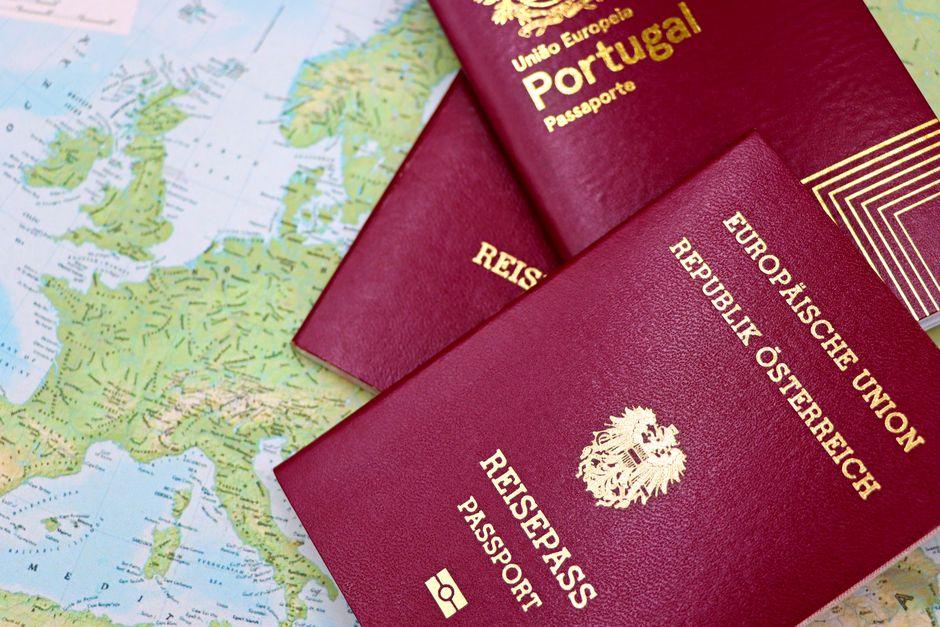
Holding three passports, or triple citizenship, offers distinct advantages that can vastly improve personal freedom and global mobility. Among the most tangible benefits are expanded travel options; citizens often bypass visa requirements or enjoy simplified entry processes across multiple regions, facilitating smoother international movement. Additionally, triple nationals gain access to diverse educational and healthcare systems, providing options for better quality services or more affordable alternatives. Economic opportunities also multiply, as you can work, invest, and own property in three countries without the typical restrictions placed on foreigners. Beyond these pragmatic perks, triple citizenship can deepen cultural connections and familial bonds, reinforcing identity by officially recognizing multiple heritages.
However, the complexities of holding three passports should not be underestimated. Challenges include navigating tax obligations, which may require understanding and complying with three separate sets of laws, often leading to complicated filing requirements or double taxation if treaties are absent. Legal conflicts can also arise around military service duties or political rights, as some nations do not recognize dual or multiple citizenship fully, potentially leading to loss of privileges or forced renunciation. Moreover, managing bureaucratic demands such as renewing passports or updating personal data can be time-consuming and costly. Below is a quick comparison highlighting core considerations:
| Aspect | Advantages | Drawbacks |
|---|---|---|
| Travel Freedom | Visa-free or easier access to more countries | Some countries restrict dual nationality travel or require declaration |
| Legal Rights | Right to work, vote, own property in three countries | Potential legal conflicts-military service, political participation limitations |
| Tax & Financial | Access to diverse markets and financial systems | Complex tax filings, risk of double taxation without treaties |
| Administrative | Multiple citizenship documents for identification | High maintenance-passport renewals, paperwork, and fees |
Navigating Legal Complexities and Compliance When You Have Multiple Nationalities
Holding multiple nationalities, especially triple citizenship, often entails navigating a complex web of legal requirements and compliance obligations that can vary significantly between countries. Each nationality may impose its own rules on taxation, military service, voting rights, and passport usage. For example, some countries require citizens to report worldwide income or fulfill compulsory military service regardless of where they reside. Failing to comply with these laws can lead to fines, legal issues, or even loss of citizenship. Understanding how each country treats dual or triple nationals is essential, and consulting local legal experts can help clarify obligations and avoid pitfalls.
To manage the legal complexities effectively, it helps to monitor several key factors:
- Tax obligations: Identify if any of your countries have citizenship-based taxation (like the U.S.) versus residence-based taxation.
- Passport and travel restrictions: Some countries restrict entry or exit using foreign passports or require you to use your native passport when entering or leaving.
- Civic duties: Assess obligations such as voting, jury service, or military conscription tied to each nationality.
- Renunciation rules: Be aware of rules regarding citizenship renunciation, as some countries make it complex to give up nationality once acquired.
| Country | Tax System | Military Service | Passport Usage |
|---|---|---|---|
| United States | Citizenship-based taxation | No mandatory military service | Must use U.S. passport to enter/exit |
| France | Residence-based taxation | No mandatory military service | Use French passport for travel |
| Israel | Residence-based taxation | Mandatory military service (with exemptions) | Use Israeli passport for travel |
Ultimately, staying proactive in understanding and updating yourself on these varying legal frameworks is critical. Utilizing professional legal advice, staying organized with dual compliance calendars, and maintaining clear records of citizenship documents can minimize risks and maximize the benefits of triple citizenship while ensuring lawful adherence to all involved nations’ requirements.
Choosing Which Countries to Embrace and What It Means for Your Identity
Deciding which countries to embrace when holding triple citizenship involves more than just legal paperwork-it’s an exploration of personal identity and practical benefits. Each nationality offers unique rights, responsibilities, and cultural ties that can shape your sense of belonging and day-to-day experiences. For example, you might retain citizenship in your birth country for family connections, embrace a country that offers better economic opportunities, and keep a third nationality for travel convenience or political stability. This selection often reflects a balance between emotional ties and pragmatic considerations such as tax obligations, healthcare access, and voting rights, all of which significantly impact your lifestyle and identity.
When managing three citizenships, it’s important to recognize the potential conflicts and advantages that arise from this complexity. Navigating diverse legal systems can be challenging-some countries impose military service requirements or limit dual citizenships, which might affect your decision to fully embrace all three. Here’s a simple comparison to illustrate common factors to consider when choosing which nationalities to prioritize:
| Factor | Country A | Country B | Country C |
|---|---|---|---|
| Travel Freedom | High visa-free access | Moderate restrictions | Limited access |
| Taxation & Financial Obligations | Worldwide taxation | Territorial taxation | No citizenship-based taxation |
| Conscription | Mandatory military service | Voluntary service | No conscription |
| Political Participation | Voting & running for office | Voting only | No political rights abroad |
- Evaluate your personal priorities: Decide if cultural connection, legal protection, or practical benefits like taxation or conscription rules weigh more heavily in your choice.
- Stay informed about legal changes: Citizenship laws can evolve, affecting your rights or obligations and thereby your relationship to each nationality.
- Consider identity as fluid: Embracing triple citizenship grants a unique multicultural identity-acknowledging this fluidity can help you harmonize your multifaceted allegiances.
Common Myths About Triple Citizenship and What You Should Really Know
Many misconceptions surround triple citizenship, often leading to confusion about its legitimacy and practical implications. A common myth is that holding three nationalities guarantees unrestricted freedom to live and work anywhere, which is not always true. While triple citizenship does provide broader mobility, each country’s laws determine rights such as employment, taxation, and social benefits. Another misconception is that acquiring a third citizenship automatically causes one to lose previous nationalities. In reality, some countries permit multiple citizenships without forfeiture, while others require renunciation. Understanding the specific legal frameworks and bilateral agreements between countries is essential before pursuing or claiming triple citizenship.
Another frequent misunderstanding is that triple citizenship exempts holders from legal obligations such as taxes or military service. However, citizens can remain subject to these responsibilities in each country, creating complex situations and potential conflicts. For example, dual or triple nationals might be required to file tax returns in multiple jurisdictions or face compulsory conscription. Here is a quick overview of key factors to keep in mind:
| Myth | Reality |
|---|---|
| Triple citizenship guarantees work and residence rights in all countries | Rights depend on each country’s specific laws and bilateral agreements |
| Holding three passports means losing no rights or responsibilities | Citizenship responsibilities (taxes, military service) may apply in each country |
| Acquiring a third nationality always requires renouncing previous ones | Depends on national laws; some countries allow multiple citizenships without renouncement |
- Recommendation: Consult legal experts familiar with the countries involved before assuming benefits or avoiding obligations.
- Tip: Verify specific national policies on multiple citizenship, as some nations are stricter about dual or triple status.
In Retrospect
As we’ve journeyed through the complex landscape of triple citizenship, it’s clear that holding three nationalities is far more than just a legal status-it’s a dynamic mosaic of opportunities, obligations, and identities. The advantages-from expanded travel freedoms and economic prospects to enriched cultural connections-paint an appealing picture. Yet, woven into these benefits are intricate legal realities and potential challenges that require careful navigation. Ultimately, triple citizenship invites us to rethink traditional notions of belonging, urging a thoughtful balance between the privileges it offers and the responsibilities it demands. Whether for global citizens or heritage seekers, understanding this multifaceted status is key to turning a trio of passports into a harmonious, empowering journey.




