
In a world that grows ever more interconnected, the concept of national identity is evolving beyond traditional boundaries. Triple citizenship-a legal status that allows an individual to hold citizenship in three countries simultaneously-is a fascinating phenomenon that challenges conventional notions of belonging and loyalty. But what exactly does it entail? How does one navigate the complexities of laws, rights, and responsibilities across multiple nations? In this article, we delve into the intriguing world of triple citizenship, unraveling its benefits, exploring the hurdles it presents, and shedding light on the legal requirements that frame this unique status. Whether driven by heritage, opportunity, or global mobility, understanding triple citizenship is key to grasping the modern landscape of multicultural identity.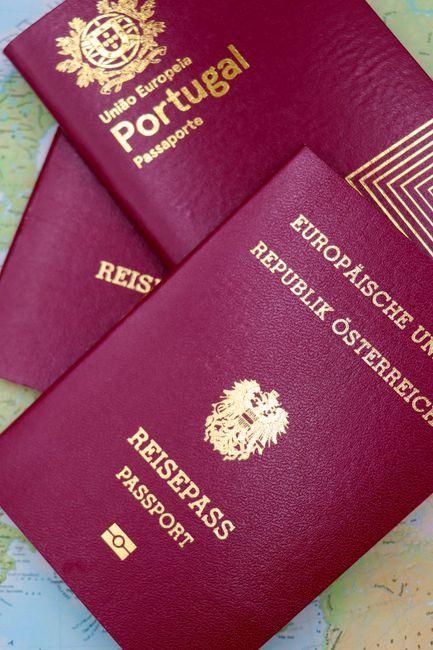
Exploring the Concept and Legal Framework of Triple Citizenship
Triple citizenship refers to an individual holding citizenship in three different countries simultaneously. This status goes beyond dual citizenship by adding an additional layer of nationality, granting expanded rights such as multiple passports, voting privileges in three nations, and access to diverse social services. However, it also introduces complex legal considerations. Laws governing triple citizenship vary significantly worldwide-while some countries explicitly permit multiple nationalities, others restrict or completely prohibit them. For example, nations like Canada and the United Kingdom generally accept multiple citizenships, whereas countries such as China and Japan require renunciation of previous citizenships upon naturalization. Understanding these distinctions is crucial, as failing to comply with respective legal frameworks can lead to loss of citizenship or other penalties.
When exploring the legal framework surrounding triple citizenship, it’s important to consider the implications on taxation, military obligations, and diplomatic protections. Many countries impose tax liabilities based on citizenship, regardless of residence, posing financial challenges for triple citizens. Furthermore, obligations like compulsory military service may conflict if each country demands service. On the positive side, holding three passports can facilitate international travel, business, and ease of residence across multiple jurisdictions. Below is a simplified comparison of common legal factors affecting triple citizens:
| Legal Aspect | Potential Benefit | Common Challenge |
|---|---|---|
| Travel | Access to multiple visa-free countries | Complicated passport management |
| Taxation | Potential access to favorable tax treaties | Multiple tax filing obligations |
| Military Service | Option to fulfill service in preferred country | Conflicting compulsory service duties |
| Legal Protections | Consular assistance from multiple countries | Legal conflicts in case of bilateral disputes |
The Advantages and Complexities of Holding Three Nationalities
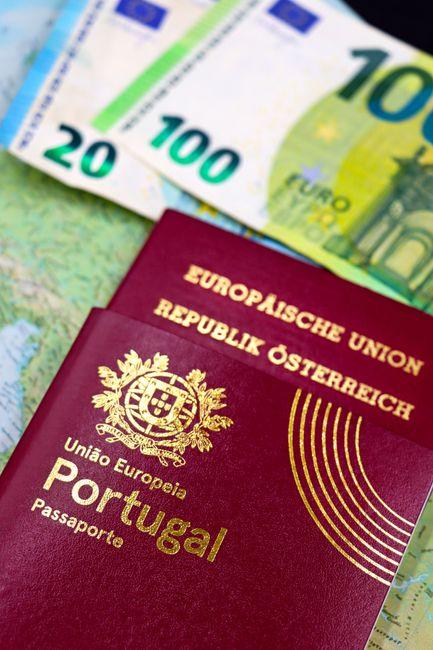
Holding triple citizenship grants individuals a distinctive set of advantages, particularly in terms of global mobility and access to diverse opportunities. With three nationalities, a person can enjoy simplified international travel, often bypassing visa restrictions that apply to others, and gain open rights to work, study, and live in three different countries without needing additional permits. This multi-national legal status also opens doors to a broader spectrum of social services, healthcare, and retirement benefits based on each country’s offerings. Additionally, triple citizens may experience enriched cultural connections and have the ability to participate fully in various political landscapes through voting and civic engagement in all three countries.
However, the complexities behind holding three nationalities can be equally significant. Legal obligations such as tax liabilities can multiply, as each country’s laws on income reporting, foreign assets, and inheritance may differ substantially, exposing triple citizens to unintended fiscal responsibilities. National security regulations may also impose restrictions on diplomatic protection, military service, or dual allegiances, which can create conflicts. Furthermore, managing multiple passports and identity documents requires careful attention to renewals and compliance with the occasionally conflicting legal demands of each state. Because of these factors, individuals should conduct thorough legal consultation and consider countries’ specific stances on triple citizenship before pursuing or formalizing this status.
| Aspect | Advantages | Complexities |
|---|---|---|
| Travel & Residency | Visa-free entry to multiple countries; multiple residence options | Need to maintain valid travel documents for all nations; possible legal contradictions |
| Legal & Taxation | Access to diverse legal protections; eligibility for social benefits in all countries | Potential for double or triple taxation; complex reporting requirements |
| Civic Rights | Right to vote and participate politically in multiple countries | Conflicting loyalties; mandatory military service in some countries |
How Triple Citizenship Shapes Identity and Global Mobility
Holding triple citizenship profoundly influences both personal identity and global mobility, blending cultural, legal, and emotional dimensions. For many, it means navigating a complex web of allegiance, often enriching their worldview and fostering a multifaceted sense of belonging. Individuals with triple citizenship can immerse themselves in diverse cultural traditions and languages, bridging cross-national connections unique to their experiences. However, this layered identity may also prompt questions around loyalty or cultural assimilation, especially when geopolitical tensions arise between the countries involved. Understanding how these identities interact requires recognizing that citizenship is not just legal status but a dynamic component shaping social integration, personal values, and even political participation.
From a practical perspective, triple citizenship significantly expands travel freedom and access to resources, making international work, education, and residency more attainable. Benefits include:
- Visa-free or visa-on-arrival access to more countries, reducing barriers for business or leisure travel.
- Broader educational opportunities through access to universities and scholarships in multiple nations.
- Flexibility in employment and residence with fewer bureaucracy hurdles across different legal systems.
- Expanded social benefits eligibility, including healthcare and pensions, depending on each country’s agreements.
However, it is crucial to balance these benefits against potential complications such as double taxation, mandatory military service, or conflicting laws that require careful navigation. For example, some countries may not recognize dual or multiple citizenship fully, which can affect legal protections and rights. To manage these complexities, individuals often seek advice on:
| Consideration | Recommendation |
|---|---|
| Tax obligations | Consult international tax experts to understand liabilities in each country |
| Legal conflicts | Review each citizenship’s laws on dual/triple citizenship and seek legal counsel |
| Cultural integration | Engage in community groups reflecting each nationality to foster identity balance |
| Travel logistics | Keep all passports valid and stay updated on entry requirements for each jurisdiction |
Navigating Common Misunderstandings and Potential Pitfalls
One of the most frequent misunderstandings about triple citizenship revolves around the assumption that having three passports guarantees seamless rights and obligations in all countries involved. In reality, each nation’s legal framework treats dual or multiple citizenships differently, and this extends to triple citizenship. For example, some countries may restrict political participation or public sector employment for citizens who hold multiple nationalities. Moreover, tax obligations can become complex, as each country may impose residency-based or citizenship-based taxation, potentially leading to double or triple taxation unless treaties or exemptions apply. It is crucial for triple citizens to research individual countries’ rules regarding military service, voting rights, and tax reporting requirements, and to consult with legal experts to avoid unintentional violations or penalties.
Another pitfall relates to the mismanagement of documentation and the challenges of maintaining valid travel documents for all three countries. While it might seem convenient to hold several passports, expiration dates, renewal procedures, and differing visa requirements demand careful attention. Ignoring these can result in travel disruptions or legal issues at borders. Additionally, not all countries fully recognize multiple citizenships, potentially forcing individuals to renounce their other citizenships upon entering or applying for specific rights. To navigate these challenges effectively, consider maintaining a clear record of all citizenship-related documents, stay updated on legislative changes, and leverage digital tools to manage expiration alerts. A practical tip is to regularly verify the legal status of your citizenships, especially when moving or staying long-term in any of the countries involved.
Key Considerations When Pursuing Multiple Passports
Understanding the legal framework is crucial when pursuing multiple passports, especially triple citizenship, as each country enforces its own rules regarding dual or multiple nationalities. Some nations fully permit multiple citizenships, while others have strict policies requiring individuals to renounce prior citizenships before acquiring a new one. Additionally, the process to obtain citizenship varies widely-from birthright or descent-based claims to naturalization or marriage provisions, often involving residency requirements or language proficiency. It’s essential to research each jurisdiction’s laws carefully, including tax obligations and military service duties, which may differ based on citizenship status. Failure to comply with these regulations can lead to legal complications, such as loss of nationality or unexpected financial liabilities.
Practical challenges and strategic benefits come hand-in-hand when managing triple citizenship. On one hand, holders can enjoy visa-free travel, broader work opportunities, and access to social services in multiple countries-offering significant economic and lifestyle advantages. On the other hand, juggling passports can pose challenges, like conflicting obligations (e.g., tax reporting or mandatory conscription), complex documentation management, and potential scrutiny during international travel. It’s advisable to maintain organized records and consult immigration or legal experts who specialize in multi-national status to navigate these complexities effectively. Below is a concise comparison of common concerns and benefits:
| Aspect | Key Considerations | Potential Benefits |
|---|---|---|
| Legal Restrictions | Renunciation rules, citizenship treaties, conflicting laws | Legal clarity, secure multi-jurisdictional rights |
| Taxation | Different tax systems, reporting obligations, double taxation treaties | Tax planning opportunities, avoidance of double taxation |
| Travel & Mobility | Passport validity, visa-free access, consular protection availability | Expanded travel freedom, emergency support abroad |
| Civic Duties | Military service requirements, voting rights, jury duty | Political participation, community integration |
Final Thoughts
In a world that grows increasingly interconnected, triple citizenship stands as a fascinating testament to the complexity of identity, opportunity, and belonging. While it offers a wealth of benefits-from expanded travel freedoms to diverse cultural ties-it also brings its share of legal intricacies and challenges that require careful navigation. Understanding the delicate balance of rights and responsibilities is key to making informed decisions in this multifaceted landscape. As you contemplate the possibilities of holding allegiance to three nations, remember that triple citizenship is not just a legal status but a bridge between worlds, inviting you to explore the rich tapestry of global citizenship with both eyes wide open.




