
In a world where borders often define opportunity, the idea of buying citizenship can seem like unlocking a secret door to new horizons. From vibrant cities to tax-friendly havens, some countries have opened the gates to investors willing to make a financial commitment in exchange for a passport. But which nations actually offer this unique pathway to citizenship, and what does the process entail? In this article, we embark on a global journey to explore the countries that sell citizenship, examining your options, the benefits, and the considerations that come with purchasing a new national identity. Whether driven by business ambitions, lifestyle changes, or a quest for greater freedom, discovering these opportunities may just change the way you see the world – and your place in it.
Understanding What It Means to Buy Citizenship Abroad
Buying citizenship abroad typically refers to legally obtaining citizenship in another country through investment or economic contribution programs, often known as Citizenship by Investment (CBI) schemes. These programs allow individuals to gain a new nationality by investing in real estate, government bonds, businesses, or making direct financial contributions. The primary allure for many is accelerated naturalization, which can bypass lengthy residency requirements common in traditional immigration pathways. This option is especially appealing for those seeking increased global mobility, enhanced personal security, tax optimization, or access to better healthcare and education systems.
When exploring options to buy citizenship worldwide, it’s crucial to understand the key benefits and potential challenges:
- Benefits:
- Visa-free or visa-on-arrival travel to numerous countries
- Dual nationality possibilities, depending on home country laws
- Opportunities for business expansion and international trade
- Political and economic stability in new jurisdictions
- Common Issues:
- High investment thresholds which vary widely by country
- Due diligence and background checks often required
- Varying processing times and legal complexities
- Potential tax implications and legal obligations in both countries
| Aspect | Citizenship by Investment | Traditional Naturalization |
|---|---|---|
| Time to Citizenship | Typically months | Several years (5-10+) |
| Residency Requirements | Minimal or none | Extended physical presence required |
| Financial Investment | Mandatory, varies by country | None |
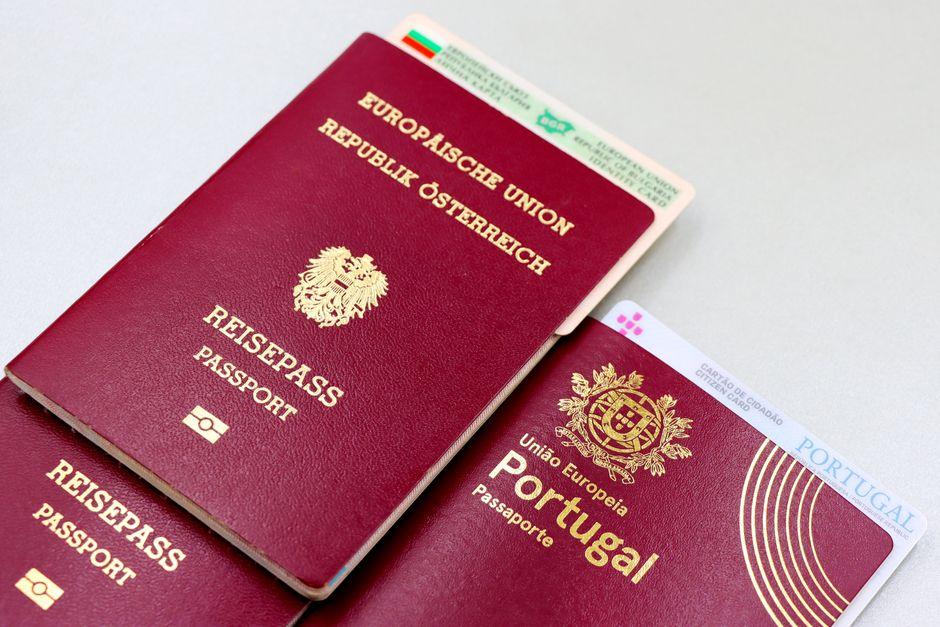
The Pros and Cons of Gaining Citizenship Through Investment
Gaining citizenship through investment-often known as “citizenship by investment” (CBI)-offers several appealing benefits but also carries notable drawbacks. On the plus side, this route can provide a fast and legally straightforward path to a second passport without the lengthy residency or naturalization processes required by traditional means. Investors typically gain access to visa-free or visa-on-arrival travel to many countries, expanded business opportunities, and greater global mobility for themselves and their families. In addition, this form of citizenship can offer tax advantages depending on the country’s policies, enhanced security through dual nationality, and improved quality of life by unlocking access to education, healthcare, and social services abroad. For entrepreneurs and high-net-worth individuals, citizenship by investment can be a strategic tool for diversifying personal and financial risk globally.
However, citizenship by investment programs also come with important considerations and downsides that prospective applicants should weigh carefully. Financially, the required investment or donation can be substantial, ranging from hundreds of thousands to several million dollars, which may not guarantee a return on investment aside from citizenship status itself. Some programs have faced criticism for lack of transparency or stringent due diligence, raising concerns about security and reputation risks. Furthermore, certain countries impose residency requirements post-citizenship or restrict dual citizenship, which may affect an applicant’s long-term plans. It’s also crucial to recognize that citizenship obtained through investment may not confer the same social acceptance or political rights as natural-born citizenship in some jurisdictions. Below is a concise comparison of common advantages and challenges to consider:
| Pros | Cons |
|---|---|
| Rapid citizenship acquisition (often within 6-12 months) | High financial cost with no guaranteed direct financial return |
| Access to extensive visa-free travel networks | Some programs have strict due diligence or residency requirements |
| Benefits extended to family members | Potential limitations on political rights or public benefits |
| Opportunity for global lifestyle and business expansion | Risk of reputational issues for countries with controversial programs |
How Countries Differ in Offering Citizenship for Sale
Countries differ significantly in how they structure their citizenship for sale programs, reflecting diverse legal frameworks, economic priorities, and global relationships. Some nations offer citizenship by investment, allowing individuals to obtain nationality through direct financial contributions to government funds, real estate purchases, or business investments. Mediterranean countries like Malta and Cyprus, for example, often require hefty investments starting from €600,000, coupled with thorough background checks and residency requirements. In contrast, Caribbean nations such as St. Kitts and Nevis or Dominica provide more affordable routes, sometimes starting below $100,000, with faster processing times and minimal residency obligations. These differences impact not just the cost, but also the speed of acquisition, ease of paperwork, and the level of scrutiny applicants can expect.
Common questions often revolve around the benefits and risks associated with buying citizenship. Benefits typically include visa-free travel to numerous countries, potential tax advantages, and enhanced business opportunities. However, some investors face issues like changing government policies, limits on dual nationality, or geopolitical concerns affecting passport strength. For clarity, the following table compares key elements across popular citizenship-by-investment destinations:
| Country | Investment Type | Minimum Amount | Processing Time | Residency Requirement | Visa-Free Access (approx.) |
|---|---|---|---|---|---|
| St. Kitts & Nevis | Donation or Real Estate | $150,000+ | 3-6 months | None | 150+ |
| Malta | Government Fund + Property | €600,000+ | 12-14 months | 12 months | 185+ |
| Turkey | Real Estate or Business | $400,000+ | 6 months | None | 110+ |
| Dominica | Donation or Real Estate | $100,000+ | 3 months | None | 140+ |
- Investment type: Direct government donations vs. physical asset purchases
- Timeframe: Ranges from a few months to over a year for citizenship approval
- Residency obligations: Some require actual stays, others none at all
- Passport power: Varies greatly impacting travel freedom
Key Factors to Consider Before Purchasing a Second Passport
- Legality and Documentation Requirements: Before purchasing a second passport, it’s critical to understand the legal framework governing citizenship-by-investment programs. Laws vary widely-some countries offer direct citizenship within months, while others require a longer residency period or more rigorous due diligence. Ensure you have all necessary documentation, including valid identification, proof of funds, and clean criminal records, as most programs carry strict vetting processes to prevent fraud and money laundering.
- Investment Types and Financial Commitments: Citizenship-by-investment programs typically mandate specific financial contributions, which may include real estate purchases, government bonds, donations to national development funds, or business investments. It’s essential to evaluate the required amount, withdrawal terms, additional fees (processing, due diligence, legal), and currency stability. Knowing these details upfront helps in comparing programs and selecting one that aligns with your financial situation and long-term goals.
| Factor | Key Considerations | Example |
|---|---|---|
| Visa-Free Travel | Assess the passport’s global mobility; certain countries offer access to over 140 destinations without a visa. | Malta, St. Kitts & Nevis |
| Processing Time | Length of application processing can range from 3-6 months to several years, impacting urgency. | Dominica: ~3 months; Turkey: ~6 months |
| Tax Implications | Consider whether the new citizenship subjects you to global taxation or offers tax incentives. | Vanuatu: No income tax; Cyprus: Favorable tax regimes |
| Residency Requirements | Some countries require physical presence; others grant citizenship without living in-country. | Antigua & Barbuda: 5 days/year minimum |
Common Myths and Realities About Citizenship by Investment Programs
- Myth: Citizenship by investment means “buying” a passport without any due diligence. Reality: Genuine citizenship by investment (CBI) programs require a thorough vetting process, including background checks, proof of legitimate funds, and compliance with anti-money laundering regulations. While these programs expedite citizenship compared to traditional routes, they are not shortcuts to bypass legal requirements or security screenings.
- Myth: All countries offer the same benefits through their CBI programs. Reality: Benefits vary widely depending on the country-ranging from visa-free travel access, tax advantages, improved lifestyle, to business opportunities. For example, Caribbean island programs tend to be faster and more affordable but may offer fewer global mobility benefits than some European options, which often come with higher investment thresholds but stronger passports.
- Myth: Citizenship obtained through investment is temporary or conditional. Reality: In most established programs, citizenship granted via investment is permanent and equivalent to citizenship obtained by birth or naturalization, including the right to live, work, and pass citizenship to descendants.
| Common Concern | Reality |
|---|---|
| Cost vs. Value | While investment thresholds vary from $100,000 to several million, the value depends on factors such as passport strength, lifestyle benefits, and political stability of the country. |
| Processing Time | Programs in the Caribbean can grant citizenship in as little as 3-6 months, whereas European programs may take 12-24 months due to additional checks. |
| Restrictions on Dual Citizenship | Some programs allow dual citizenship without issue, while others require renouncing previous citizenships-research individual country policies carefully. |
Insights and Conclusions
In a world increasingly defined by mobility and opportunity, the notion of buying citizenship may seem both unconventional and intriguing. As we’ve explored, several countries offer pathways to citizenship through investment, each with its own unique requirements, benefits, and complexities. Whether driven by business ambitions, a desire for global freedom, or a quest for security, the option to purchase citizenship is reshaping traditional ideas about nationality and belonging. Ultimately, choosing to buy citizenship is a deeply personal decision, one that blends financial considerations with dreams of new beginnings. As you weigh your options, let knowledge and careful research guide your journey toward a second home-and perhaps, a new identity on the world stage.




