
In an increasingly interconnected world, the allure of a second passport has long symbolized ultimate freedom: the key to effortless travel, boundless opportunity, and a safety net beyond borders. Yet, as global dynamics evolve and regulations tighten, the once-clear path to international mobility through dual citizenship is now fraught with complexities and diminishing returns. This article delves into why chasing a second passport is no longer the straightforward shortcut it once seemed-and explores the innovative alternatives and strategies that genuinely unlock mobility in today’s shifting landscape.
The Illusion of Liberty Behind Dual Citizenship and Its Unexpected Costs
At first glance, dual citizenship appears to promise unmatched freedom-a golden ticket to dodge restrictive laws, maximize tax benefits, and enjoy seamless travel. Yet, this widespread assumption glosses over the nuanced realities often entangled with holding multiple passports. The illusion of liberty stems largely from a simplistic view that more citizenship equals more mobility. In truth, dual citizenship frequently introduces contradictory legal obligations, hidden costs, and geopolitical vulnerabilities that can sharply curtail the very freedoms it purportedly expands. Freedoms conferred by one nationality may collide with restrictions from the other, such as mandatory military service, complex tax filings, or compromised diplomatic protection when abroad. This paradoxical dynamic turns the notion of “liberty” into a strategic juggling act-a trade-off seldom acknowledged in the rush for a second passport.
When evaluating the true value of dual citizenship, a selective, pragmatic lens is essential. Consider these key trade-offs rather than defaulting to the sanitized hype:
- Legal and Financial Complexity: Navigating two legal systems can lead to duplicated tax burdens, conflicting compliance, and unexpected penalties.
- Diplomatic Contradictions: Having rights protected by two governments does not guarantee consistent support. Political tension between countries can leave dual citizens in a diplomatic gray zone.
- Limited Mobility Enhancement: Not all passports are created equal. Some “second citizenships” offer minimal visa-free travel, limiting actual freedom.
| Common Expectation | Reality |
|---|---|
| Instant global access | Varies widely; some passports provide limited benefit beyond the first |
| Tax minimization | Dual obligations complicate tax planning; risks of double taxation persist |
| Political neutrality | Conflicts of interest and allegiance questions may arise |
Ultimately, those who truly unlock mobility and autonomy today do so by embracing flexibility and strategic residency planning-not by merely stacking passports. A nuanced approach weighs the specific jurisdictions, personal circumstances, and evolving global dynamics rather than assuming that dual citizenship is an automatic panacea for freedom.
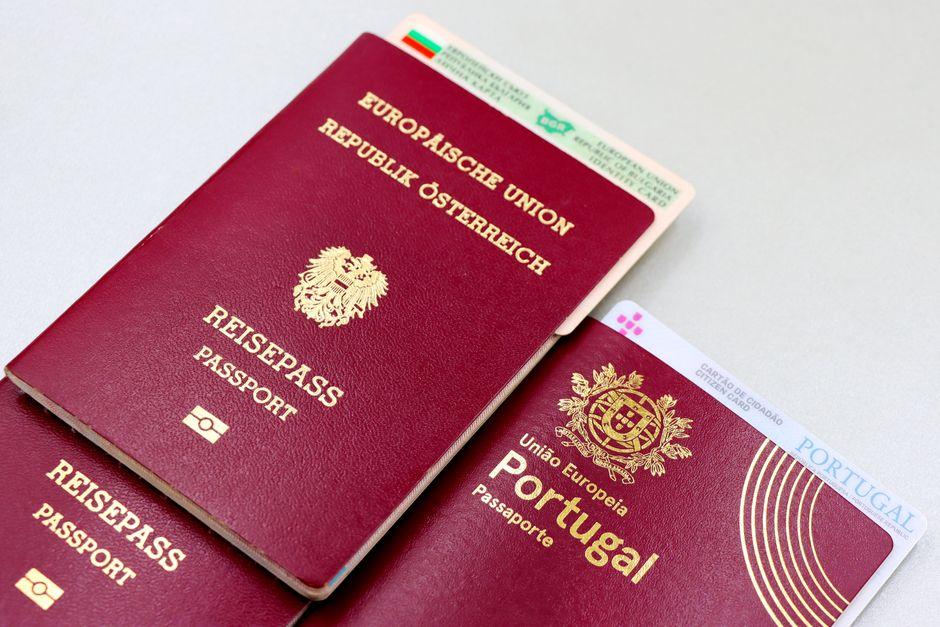
Beyond Borders The Hidden Challenges That Undermine Second Passport Benefits
- Passport Prestige Isn’t Universal: The assumption that acquiring a second passport guarantees seamless global access is increasingly flawed. Visa-free access is often conditional, and what qualifies as “freedom” can vary dramatically depending on geopolitical dynamics and bilateral relations. For example, having a second passport from a smaller Caribbean nation might enhance travel options in the Americas but does little in terms of access to economically pivotal regions like the EU Schengen Zone or the United States. The intrinsic value of a second passport depends on strategic alignment, not merely acquisition. This reality forces prospective citizens to weigh whether the trade-off-often involving significant financial investment and complex due diligence-is actually aligned with their mobility goals or simply contractual convenience for a narrow set of destinations.
- Hidden Costs and Eroding Trust: Another overlooked challenge is the intricate web of regulatory compliance and potential reputational risks tied to second citizenship. Governments worldwide are tightening scrutiny on applicant backgrounds, leading to prolonged vetting processes, ambiguous rejections, or demands for transparency that erode the ease once associated with these programs. Additionally, the promise of “visa freedom” can be compromised by evolving travel restrictions driven by security or health crises, making second passports less of a sure bet than many marketing narratives suggest. A nuanced approach involves not only assessing the passport’s current travel value but also anticipating geopolitical volatility, the cost of ongoing compliance, and the intangible loss when citizenship rights are viewed through a transactional lens, rather than a genuine socio-political commitment.
Rethinking Mobility Why Strategic Networks Outperform Additional Passports
In an era where global dynamics shift with unprecedented velocity, strategic networks-rather than an additional passport-emerge as the real currency of mobility. The traditional allure of a second passport rests on a shaky premise: that legal identity alone unlocks freedom. However, this narrowly legalistic view overlooks the complex web of relationships, access points, and digital infrastructures that truly facilitate seamless international movement and opportunity. Rather than stockpiling citizenships, savvy individuals cultivate a portfolio of connections that span business alliances, residency permits, trusted service providers, and insider knowledge. This ecosystem, by design, offers far more adaptability than any single bureaucratic workaround ever could.
One must weigh the subtle trade-offs between the permanence of a second passport and the fluidity offered by strategic networks. While passports provide a visible symbol of status, their benefits are often undermined by geopolitical volatility and restrictive bilateral agreements. On the other hand, strategic networks thrive on diversity and decentralization, reducing dependency on any one nation’s policy-something especially crucial given today’s geopolitical uncertainty. Here’s a snapshot contrasting these two approaches:
| Aspect | Second Passport | Strategic Networks |
|---|---|---|
| Flexibility | Limited to specific countries & subject to visa rules | Expandable, multi-layered access aligned with goals |
| Longevity | Potentially lifelong but vulnerable to revocation or changing laws | Dynamically adaptable, constantly refreshed through relationships |
| Cost | High upfront financial and compliance costs | Investment in time, mentorship, and networking, often yielding compounding returns |
| Risk | Geopolitical shifts can suddenly devalue citizenship | Distributed risk through diversified assets and collaborations |
For those aiming to unlock true global mobility, the recommendation is clear but nuanced: prioritize building and maintaining a versatile network over chasing citizenship as a commodity. This means strategically engaging with jurisdictions, business ecosystems, and cultural hubs that align with your personal and professional ambitions, rather than fixating on the passport itself as a magic key. The elite advantage today lies in being a connector and cultivator of opportunities-not merely a holder of privileged documents.
Trade Offs in Global Freedom How Second Passports Can Limit More Than They Liberate
Pursuing a second passport has long been heralded as a silver bullet for unrestricted global movement, but this oversimplification merits scrutiny. The stark reality is that second passports often entangle holders in fresh webs of complexity-legal, financial, and social-rather than delivering unfettered freedom. For instance, citizenship tied to certain jurisdictions can impose heavy tax obligations, mandatory military service, or involuntary political allegiances that undermine the very autonomy seekers aim to gain. Furthermore, many “passport-shopping” programs target less coveted nations, whose travel access benefits are marginal at best, and whose passports can even brand holders with unwelcome stigma or suspicion in certain regions. It’s a trade-off where the promise of mobility is diluted by often opaque responsibilities and limitations, turning second passports into restrictive instruments rather than liberating tools.
Instead of a simplistic chase, a more discerning approach considers how second citizenship fits into a broader architecture of global mobility-one that includes personal goals, risk tolerance, and lifestyle patterns. For example, individuals whose priority is visa-free travel to major economic hubs and cultural centers might gain far more from strategic residency permits, global digital nomad visas, or multi-national tax planning mechanisms than from an additional passport burdened by geopolitical nuances. Consider the table below:
| Mobility Tool | Key Advantage | Typical Limitation | Best Use Case |
|---|---|---|---|
| Second Passport | Potential for dual nationality and access | Tax, legal obligations, geopolitical stigma | Long-term dual national identity & heritage claims |
| Residency Permits | Flexible physical presence without full citizenship complexity | Renewal requirements, limited political rights | Work, lifestyle, and business flexibility |
| Digital Nomad Visas | Remote work and legal presence without long-term commitments | Short duration, limited family inclusion | Remote workers seeking diverse locales |
Pragmatism dictates resisting the seductive but often misleading narrative that a second passport is a straightforward shortcut to freedom. The nuanced reality is that “freedom” today is a multi-dimensional construct-anchored in adaptability, strategic citizenship tools, and an ecosystem approach to mobility, rather than a singular legal status. For those seeking true global flexibility, critical thinking about these trade-offs fosters smarter, more sustainable pathways that second passports alone cannot guarantee.
Unlocking True Mobility Through Digital Residency and Smart Legal Frameworks
In an era where global mobility transcends the simplistic allure of second passports, digital residency offers a far more nuanced and practical pathway to freedom. Unlike traditional citizenship, which often demands rigid residency requirements, exorbitant costs, or contentious geopolitics, digital residencies leverage technology-enabled legal frameworks to redefine what it means to “belong.” They offer remote access to banking, business incorporation, taxation benefits, and even some social services without demanding physical relocation. This means mobility today is less about borders and more about systems-a shift that prioritizes functional access over symbolic status. However, the trade-off lies in the lack of personal diplomatic protection and certain political rights that come with a second passport, necessitating a strategic evaluation of individual goals: is your priority legal access and business flexibility, or is it full civic integration in another country?
Smart legal frameworks supporting digital residencies also bring forward the imperative to differentiate between genuine sovereignty and permissive jurisdictional overlays. Not all digital residencies guarantee robust protections-some jurisdictions offer digital ID schemes that look impressive but lack enforceable bilateral agreements or cross-border recognitions, limiting their real-world utility. Here’s a selective lens on critical factors to weigh carefully:
- Legal Infrastructure: Does the digital residency come with internationally recognized rights (e.g., tax treaties, business operations)?
- Access vs. Identity: Are you seeking transactional access (e.g., fintech, e-commerce licenses) or a broader legal identity that equates closer to citizenship?
- Longevity and Stability: Consider the political and economic sustainability of the issuing jurisdiction to avoid ephemeral or bureaucratically cumbersome programs.
- Cost-Benefit Alignment: Ensure the program’s fees, renewal complexity, and administrative burden justify the mobility and operational benefits.
| Aspect | Traditional Second Passport | Digital Residency |
|---|---|---|
| Physical Residency Requirement | Often mandatory | Not required |
| Access to Business Services | Dependent on country policies | Typically streamlined |
| Political and Diplomatic Rights | Full rights | Limited or none |
| Cost and Renewal Complexity | High initial and renewal costs | Lower and more flexible |
In sum, the future of mobility hinges on leveraging these smart legal frameworks-not blindly chasing the passport gold rush. Digital residencies promise agility but demand a discerning approach that weighs your tangible needs against the illusion of ultimate freedom that citizenship once symbolized.
The Conclusion
As the world evolves, so too does the meaning of freedom and mobility. Chasing a second passport was once heralded as the golden key to global access, but today, it’s clear that true mobility transcends mere citizenship. In an era defined by digital connectivity, flexible visas, and innovative residency options, the passport in your hand matters less than the openness of borders and the agility of your mindset. Freedom isn’t just stamped on a page-it’s unlocked through adaptability, informed choices, and understanding the new landscapes of movement. So, while the allure of a second passport remains, the real shortcut to global freedom lies in embracing the dynamic, ever-changing paths that reimagine what it means to be truly mobile.




