
In an era marked by shifting alliances, unpredictable geopolitics, and mounting global uncertainties, the concept of citizenship has evolved far beyond legal status or the simple pride of belonging. Owning a foreign passport today transcends the realm of luxury or elite privilege-it emerges as a strategic lifeline, a key that unlocks access to safety, opportunity, and freedom in an increasingly fragmented world. This article explores why, in navigating the complexities of modern life, a second passport is no longer just an exclusive asset but a vital tool for resilience and adaptability.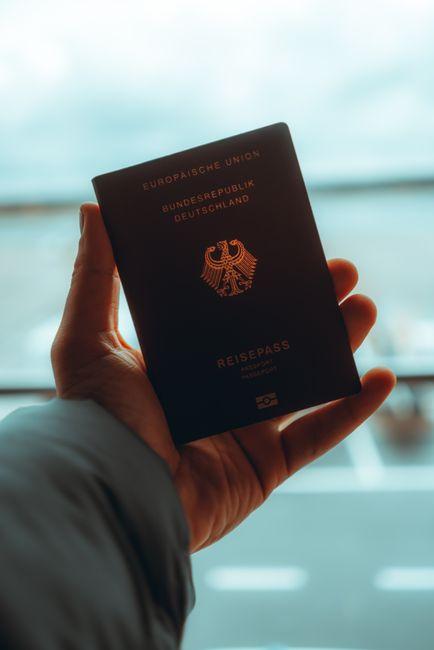
The Illusion of Freedom Exploring the Hidden Costs Behind Owning a Foreign Passport
At first glance, acquiring a foreign passport conjures an image of unbounded mobility, political immunity, and access to global opportunities. However, this perceived freedom often glosses over significant underlying compromises. A foreign passport can become less a gateway and more a weight, tethering individuals to complex legal obligations, tax liabilities, and social responsibilities that are neither intuitive nor easily navigated. The assumption that a second passport is merely a passport to liberty overlooks that in many cases, it introduces a layer of regulatory scrutiny and financial exposure. For example, the fine print in citizenship-by-investment programs or naturalization processes often includes stringent residence requirements, costly fees, and exposure to geopolitical shifts that can abruptly alter the value of the passport itself. In essence, the passport liberates only within a web of conditional freedoms, emphasizing the critical need for informed, strategic decision-making rather than impulsive acquisition.
Understanding these trade-offs demands more than a checklist approach; it requires discerning evaluation of what “freedom” entails on a personalized scale. For instance, some countries elevate the passport’s worth by coupling it with robust consular protection and visa-free access across multiple continents-but often at the cost of onerous declarations like worldwide tax filing or mandatory military service. Others might offer near-immediate citizenship but at the expense of permanent social integration challenges, such as language barriers or lack of social safety nets. A few insightful distinctions help clarify these hidden costs:
- Mobility vs. Maintenance: The ability to travel visa-free often accompanies escalating financial, legal, and administrative burdens to maintain citizenship status.
- Political Stability vs. Volatility: A seemingly strong passport can rapidly lose value due to sudden political instability, economic sanctions, or shifts in international alliances.
- Tax Benefits vs. Obligations: Favorable tax regimes may be offset by complex reporting requirements in the passport’s originating country or abroad.
| Passport Attribute | Potential Gain | Hidden Cost |
|---|---|---|
| Visa-free Travel | Global mobility and access | Frequent renewals, travel alerts, diplomatic risks |
| Dual Citizenship | Access to rights and benefits in two countries | Double taxation, legal conflicts, identity complexities |
| Consular Protection | Assistance in crises abroad | Limited reach during geopolitical tensions |
Ultimately, the decision to obtain a foreign passport should be grounded in a strategic framework that weighs these nuanced costs against individual risk tolerances and life goals. Far from an unblemished luxury, a foreign passport is a complex asset demanding foresight, legal counsel, and ongoing diligence to truly act as a lifeline rather than an illusory escape hatch.
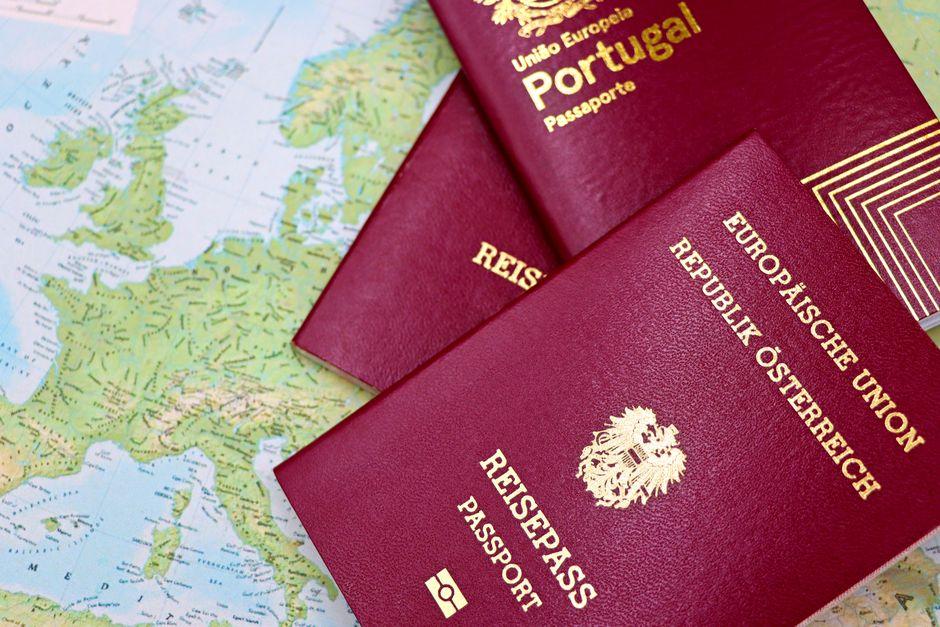
Beyond Privilege A Strategic Asset in Geo-Political Chess Games
In the intricate arena of international relations, a foreign passport transcends mere convenience to become an unpredictable strategic asset-a geopolitical chess piece with implications far beyond personal freedom. While the conventional narrative frames such passports as symbols of privilege or status, this view neglects the subtle power dynamics embedded within global mobility. Ownership of alternative citizenships frequently acts as a buffer against political instability, sanctions, or sudden regulatory shifts imposed by states or blocs wielding global influence. However, the real strategic value lies not in amassing as many passports as possible, but rather in selecting jurisdictions that offer asymmetric leverage-countries whose global standing, diplomatic ties, and treaty networks create options unavailable to the average traveler. This requires discerning trade-offs between visa access, political reliability, and the resilience of the issuing nation’s financial and legal systems under crises.
Moreover, the geo-political utility of a foreign passport hinges on understanding the nuanced interplay between hard power and soft power dynamics. It is insufficient to acquire citizenship from merely economically affluent or stable countries; one must also consider the passport’s currency within targeted regions of volatility or emerging markets. For instance, a Caribbean passport might grant ease of movement to the Americas, but lacks the diplomatic clout in Asia-Pacific or the Middle East that some European or Gulf-state passports command. Strategic holders must weigh:
- Geographic reach: How many critical borders can be crossed without excessive restrictions or risk?
- Political neutrality: Does the passport’s issuing country maintain neutral or favorable positions in major geopolitical conflicts?
- Resilience against sanctions: Could this passport serve as a hedge if primary citizenships become restricted due to international sanctions or diplomatic fallout?
Ultimately, adopting a passport as a strategic lifeline demands a mindset shift away from status symbols to geopolitical insurance-an active component of international contingency planning. This positions the passport not only as a facilitator of personal security but also as an instrument for navigating and surviving the fraught complexities of today’s fractured global order.
Weighing Mobility Against Identity Challenges in Dual Citizenship
Dual citizenship unquestionably expands personal and professional horizons, offering unparalleled freedom of movement, access to multiple social systems, and a hedge against geopolitical instability. However, this mobility comes tethered to a latticework of identity complexities that often demand a delicate balancing act. Rather than romanticize dual citizenship as a seamless panacea, it’s crucial to acknowledge the nuanced burden it can impose: conflicting national loyalties, bureaucratic entanglements, and the psychological toll of navigating two legal and cultural landscapes simultaneously. For many, the challenge rests in whether gaining expansive mobility justifies the subtle erosion-or reshaping-of identity coherence.
Strategically, individuals should not overvalue mobility as the singular benefit of dual citizenship; instead, they must evaluate tangible trade-offs with a discerning lens. Consider these distinctions:
- Legal Obligations: Some countries impose military service, tax responsibilities, or political participation requirements that may clash or complicate allegiance.
- Cultural Affinity vs. Pragmatism: Emotional ties to one nation might render the other passport more of an administrative tool rather than a genuine identity anchor.
- Global Mobility Spectrum: Not all passports are created equal-understanding which passport optimally complements your lifestyle or risk profile is essential, rather than simply accumulating multiple documents.
| Consideration | Mobility Benefit | Identity Challenge |
|---|---|---|
| Taxation | Access to tax treaties and incentives | Complex filing requirements; risk of double taxation |
| Civic Duty | Right to vote in multiple democracies | Political conflicts and divided loyalties |
| Social Welfare | Eligibility for broader social services | Navigating disparate cultural expectations |
Ultimately, owning a foreign passport is less a luxury accessory and more a strategic asset that demands sophisticated self-awareness and legal literacy. The marginal gains in mobility must be weighed against potential identity dissonance and compliance obligations, a trade-off best navigated with clarity over convenience.
When Luxury Meets Necessity Navigating the Survival Imperative of Global Fragmentation
In the contemporary geopolitical landscape, the notion of holding a foreign passport has evolved far beyond the realm of mere prestige or leisurely travel advantages; it has become an essential strategic asset. This shift compels us to reevaluate the traditional luxury-versus-necessity paradigm. While a foreign passport once symbolized cosmopolitan sophistication, today it serves as a crucial contingency plan amidst accelerating global fragmentation. The increasing volatility of nation-states-manifested through political unrest, shifting alliances, and abrupt policy changes-means that dual or multiple citizenships offer more than convenience; they provide vital pathways to safety, economic continuity, and personal freedom. This survival imperative demands that individuals approach citizenship not as a simple checkbox but as a dynamic portfolio, where the *value* of each passport is measured by its geopolitical stability, economic flexibility, and access to essential freedoms rather than by superficial allure.
However, this strategic layering of citizenships is not without its complex trade-offs. Not all passports carry equal weight, nor do all jurisdictions tolerate dual nationality without strings attached. Engaging with these trade-offs requires a discerning mindset: an overemphasis on high-ranking passports for visa-free travel may obscure less glamorous but more resilient options offering secure financial jurisdictions, stable travel corridors during crises, or more lenient residency requirements. To navigate this, individuals should consider a matrix that balances:
- Geopolitical Stability – Is the issuing country likely to maintain its sovereignty and stable relations?
- Legal and Tax Implications – What are the responsibilities and obligations attached to the citizenship?
- Exit and Entry Flexibility – How reliable and consistent is the mobility offered during global disruptions?
- Personal and Familial Long-term Benefits – Does the citizenship ensure generational continuity and opportunities?
| Criterion | High-Rank Passport | Stable Lesser-Known Passport |
|---|---|---|
| Mobility | Very High (Visa-Free Access) | Moderate (Selective Entry Benefits) |
| Stability in Crisis | Variable (Dependent on Geo-Political Factors) | Often More Predictable and Consistent |
| Tax & Legal Burden | High (Complex Reporting & Obligations) | Potentially Lower or More Flexible |
Strategic citizenship acquisition should therefore emphasize a curated approach-one that balances aspirational passports with pragmatic ones tailored to individual risk profiles and life plans. Recognizing that a passport’s utility fluctuates alongside global currents inspires a shift away from ostentation to resilience-building. Ultimately, in a world where borders and alliances are volatile, the survival imperative transforms owning a foreign passport from luxury into necessity-offering a nuanced lifeline that savvy global citizens must actively cultivate and refine.
Rethinking Alternatives Why a Foreign Passport Is Not the Only Route to Security
Too often, the allure of a foreign passport is framed as the singular solution to geopolitical insecurity or economic instability. Yet, this perspective overlooks the complex trade-offs and evolving global dynamics that redefine what security really means. Holding a second passport can indeed unlock mobility, diversified citizenship rights, and emergency options-but these benefits don’t operate in a vacuum. Enhanced passports might also complicate tax obligations, invite geopolitical scrutiny, or even expose holders to unexpected legal entanglements abroad. Meanwhile, alternatives such as economic citizenship programs, long-term residency options, or dual-nationality agreements can offer similarly strategic advantages without the perceived permanence or political baggage attached to a passport. Recognizing these nuances allows for more tailored, context-sensitive decisions rather than default reliance on a binary “passport or bust” mindset.
Moreover, in an era where digital identities, international investments, and remote work redefine borders, the currency of personal security extends beyond physical documentation. Consider the strategic layering of multiple safeguards-such as international health insurance, cross-border financial planning, and legal frameworks protecting digital assets-alongside citizenship choices. From a practical standpoint, this multidimensional approach can outperform a sole focus on passports by offering greater flexibility, stealth, and resilience. For example:
| Alternative Security Measure | Core Benefit | Trade-off or Limitation |
|---|---|---|
| Long-term residency permits | Access to social services & employment | May not confer political rights or travel freedom |
| International financial diversification | Protects wealth from domestic risks | Requires sophisticated compliance & monitoring |
| Digital identity and asset protection | Enables remote access & minimizes exposure | Dependent on cybersecurity infrastructure |
In sum, reframing security away from the passport as a silver bullet allows individuals to craft personalized strategies that are both more discreet and adaptive to shifting global currents. This is not a dismissal of the passport’s role but an invitation to think more critically and creatively about what true security needs entail in today’s multifaceted geopolitical landscape.
In Summary
In a world where borders can shift like sand and stability often feels elusive, owning a foreign passport transcends the notion of mere luxury. It becomes a strategic lifeline-a key to freedom, opportunity, and security amidst global uncertainty. As fragmentation deepens and challenges mount, this seemingly simple piece of paper quietly holds the power to rewrite one’s story, offering not just a new nationality but a vital foothold in an unpredictable landscape. Ultimately, it’s less about privilege and more about prudent foresight-a passport not just to another country, but to resilience in an ever-changing world.




