
In an increasingly interconnected world, the allure of acquiring a second passport through investment often shines as a beacon of freedom, promising swift access to new opportunities and unrestricted movement. Yet beneath this glossy surface lies a complex narrative-one where the pursuit of a “passport through investment” is less an instant escape route and more a calculated strategy. It’s a nuanced gamble on the evolving landscape of global mobility, where economic, political, and social currents shape the true value of such passports far beyond mere convenience. This article delves into why this pathway is not merely a shortcut to liberation but a deliberate investment in future possibilities across borders.
Beyond Borders and Buyouts Rethinking the Promise of Instant Citizenship
Instant citizenship programs championed by many states promise a ticket to global freedom, yet this narrative often oversimplifies complex geopolitical and socio-economic realities. Citizenship-embedded deeply in notions of identity, political responsibility, and social integration-is commoditized into a transactional exchange, reducing it to a mere asset for sale rather than a meaningful status. While the allure of bypassing protracted immigration processes is undeniable, the transactional nature of these programs frequently undermines the authenticity and long-term value of this so-called “shortcut.” Countries leveraging these schemes risk eroding both domestic trust in the integrity of national identity and international perceptions, as rapid buyouts may dilute the social fabric and promote perceptions of elitism or preferential treatment. Moreover, the assumption that instant citizenship equates to freedom glosses over critical trade-offs such as limited political rights, challenges in social integration, and potential scrutiny or restrictions imposed by other nations skeptical of these passports.
Reimagining instant citizenship as a strategic bet rather than an unequivocal liberation calls for a nuanced assessment of what mobility truly entails. Beyond the ease of travel, the impact of citizenship on access to quality education, healthcare, entrepreneurial opportunities, and political participation demands scrutiny. A more discerning approach suggests that prospective applicants ask incisive questions such as:
- Does the citizenship offer genuine dual nationality benefits without onerous renunciation requirements?
- Is the host country’s political and economic stability resilient enough to protect the citizenship’s value over time?
- What are the reputational risks associated with the passport, especially in regions with strict visa regimes or geopolitical tensions?
- How might this passport affect one’s tax liabilities and legal obligations, which often remain misunderstood or underestimated?
| Aspect | Instant Citizenship | Traditional Naturalization |
|---|---|---|
| Timeframe | Months | Years to decades |
| Integration | Minimal or none | Deep social, cultural embedding |
| Political Rights | Often limited initially | Full rights after naturalization |
| Perceived Value | Market-driven, fluctuates | Socially rooted, durable |
Recognizing these distinctions can transform the buyer’s mindset from seeking a “passport as a commodity” toward understanding citizenship as a layered privilege intertwining legal status, societal acceptance, and reciprocal responsibility. This shift encourages more intentional and informed decisions that balance mobility advantages against complex legal, ethical, and identity considerations-moving beyond borders and buyouts towards genuinely rethinking the promise of instant citizenship.
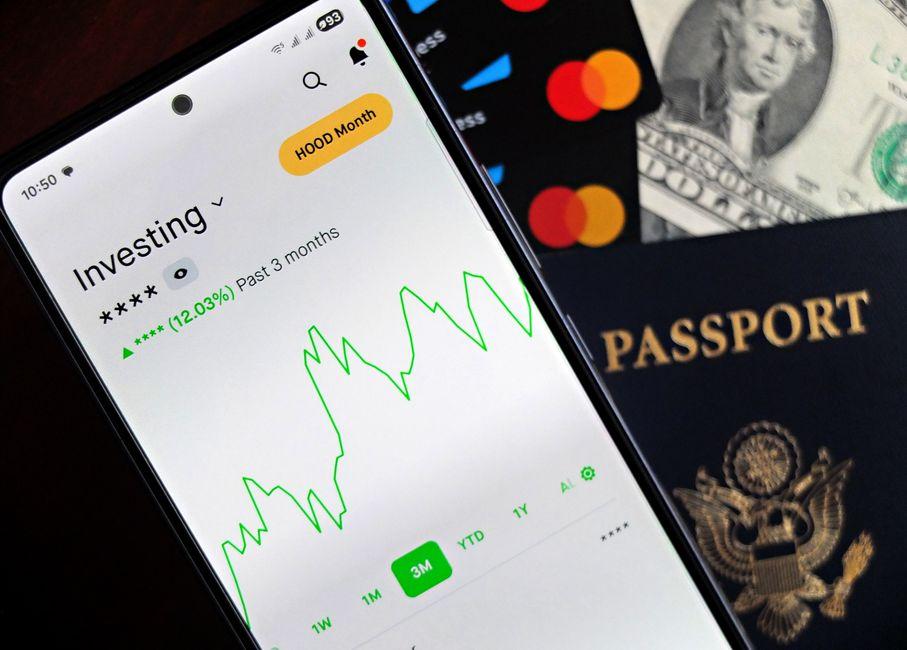
The Illusion of Freedom Unpacking the Hidden Costs of Investment Passports
Investment passports often masquerade as quick and unencumbered access to global freedom, yet this surface-level allure obscures significant, frequently overlooked costs. Far from a mere transactional upgrade in citizenship status, these schemes impose layered financial, legal, and ethical burdens that must be critically unpacked. The upfront price tag-often soaring into hundreds of thousands or even millions-is only the beginning. Hidden within are ongoing commitments such as complex tax implications, residency requirements, and potential diplomatic vulnerabilities tied to international reputation shifts. These factors transform the so-called shortcut into a strategic bet, where the real currency is not just money but a nuanced calculation of risk, stability, and long-term mobility.
Moreover, the assumption that investment passports guarantee unfettered global mobility underestimates the fluid nature of geopolitics and immigration policies. Even the most prestigious programs carry non-trivial trade-offs, including:
- Heightened scrutiny and regulatory shifts targeting wealthy investors seeking citizenship by investment
- Potential stigmatization as participants in schemes perceived as circumventing traditional immigration pathways
- Limitations on actual freedom of movement, as countries may alter visa policies in response to changing security or diplomatic priorities
- Ethical considerations surrounding the commodification of citizenship, which may erode the social contract and inflate exclusivity
In essence, an investment passport is less a passport to unassailable freedom and more a complex, evolving portfolio asset-one that demands continuous reassessment against global currents rather than a one-time acquisition. For discerning investors, the critical insight lies in recognizing that this “shortcut” is a calculated strategic maneuver, not a guarantee, and that true global mobility requires flexible, informed engagement rather than transactional optimism.
Navigating Mobility as a Calculated Risk A Strategic Lens on Global Access
Viewing global mobility through a purely opportunistic lens risks oversimplifying a deeply calculated gamble. While at first glance, obtaining a passport via investment might appear to be a direct path to liberation from geographic constraints, it is in fact a strategic play requiring rigorous evaluation of trade-offs. For instance, investors often prioritize jurisdictions with low bureaucratic friction and broad visa-free travel; however, these benefits rarely come without hidden costs-such as high qualification thresholds, ongoing economic commitments, or geopolitical shifts that can abruptly devalue travel privileges. In this light, global mobility is less about transactional freedom and more about layered risk management, demanding an astute reading of international relations, tax implications, and potential socio-political ripples that may alter the value proposition overnight.
Discerning investors must move beyond the binary of ‘mobility or immobility’ and embrace a mosaic approach that balances diverse dimensions:
- Legal Resilience: How robust and internationally recognized is the citizenship or residency conferred, particularly under changing diplomatic landscapes?
- Economic Viability: Does the investment maintain asset liquidity or expose the individual to long-term financial lock-in?
- Geopolitical Stability: Are host and beneficiary countries aligned with stable governance, or might emerging policy shifts erode mobility benefits?
- Personal Alignment: How well does this passport integrate with one’s lifestyle, career trajectory, and long-term security goals?
Choosing a “passport through investment” should therefore resemble portfolio diversification rather than a simple shortcut to movement-a deliberate calibration between immediate access and enduring utility. The real strategic insight lies in recognizing that mobility is a dynamic currency; its value fluctuates with global currents, calling for continuous reassessment rather than complacent acquisition.
Weighing Opportunity Against Obligation Tactical Choices in Cross-Border Residency
When navigating the allure of cross-border residency programs, it is critical to weigh opportunity against obligation with a strategic lens, rather than defaulting to the simplistic narrative of “instant freedom.” The choices here are tactical, not transactional. Countries offering residency via investment often come tethered with stringent residency requirements, tax regimes, and legal obligations that can erode the perceived mobility gain. For instance, some jurisdictions mandate minimum physical presence that disrupts lifestyle flexibility, while others impose worldwide tax reporting or even global tax liabilities-nuances frequently glossed over in glossy brochures. Therefore, discerning investors must scrutinize not only the upfront capital commitment but also ongoing compliance costs and lifestyle constraints. Overlooking these factors under the assumption that a “passport through investment” is a de facto passport to unrestricted travel or tax neutrality is a costly mistake.
Understanding the trade-offs means recognizing that strategic global mobility involves a blend of legal residence, tax planning, and genuine integration, not merely border-hopping. Here, the value lies in selecting residency programs that align with one’s long-term professional and personal ambitions, rather than chasing short-term convenience. Countries offering residency should be assessed through a multifaceted matrix including:
- Physical Presence Requirements: How intrusive are stay obligations?
- Taxation Policies: Does the jurisdiction enforce global income reporting or purely territorial taxation?
- Exit and Re-entry Flexibility: Are there penalties or waiting periods for leaving?
- Political and Economic Stability: Does the country offer a durable foundation for asset protection and family security?
| Residency Factor | Opportunity | Obligation | Smart Approach |
|---|---|---|---|
| Taxation | Potential for tax optimization | Complex compliance and global tax risk | Choose jurisdictions with clear, stable tax codes aligned to personal financial structure |
| Physical Presence | Access to local markets and services | Mandatory minimum stays interrupting mobility | Prioritize programs with flexible or minimal stay requirements |
| Legal Rights | Access to public benefits and legal protections | Residency revocation risks if rules aren’t met | Maintain continuous compliance and build genuine ties |
Ultimately, the most astute cross-border residents transform these programs from a passive “shortcut” into an active element of a sophisticated global lifestyle strategy. Sacrificing a nuanced understanding for quick access often leads to unforeseen burdens that outweigh initial conveniences. Success lies in coupling opportunity with discipline, embracing obligations as a gateway rather than a barrier to true mobility.
Smart Alternatives to Buying a Passport Building Genuine Global Flexibility Without the Price Tag
- Second Residency Programs: Unlike passport-by-investment, second residencies often offer substantial global mobility without requiring permanent relinquishment of original citizenship. They provide time-tested pathways to long-term residence, allowing investors to test the waters before committing to full citizenship. Countries like Portugal or Greece, for example, grant residency with relatively modest investments and enable visa-free travel within the Schengen Area-an underrated but powerful advantage that should factor heavily into one’s strategy.
- Strategic Citizenship Planning: Instead of rushing into expensive-for-citizenship schemes, consider a phased approach where second residency precedes citizenship pursuit. This mitigates risks such as unforeseen legal or political shifts affecting investment outcomes or travel freedoms. It also buys time to assess actual mobility enhancements in a fast-evolving geopolitical landscape, which often render assumptions about “freedom” obsolete within a few years.
| Option | Typical Cost | Mobility Gains | Trade-Offs |
|---|---|---|---|
| Passport by Investment | High (>$100,000) | Immediate broader visa-free access | High cost, political scrutiny, complex renunciation issues |
| Second Residency | Moderate ($30,000-$70,000) | Slow but steady mobility improvement, residency rights | Longer timelines, no immediate passport benefits |
Smart flexibility goes beyond simply buying a passport; it requires balancing speed, cost, and risk while fully understanding the geopolitical context. For many, incremental enhancements through residencies combined with selective investment in countries offering visa reciprocity outperforms the one-size-fits-all assumption that a purchased passport is the ultimate freedom card. This nuanced, tailored approach champions resilience and adaptability over flashy, often short-lived mobility gains.
To Wrap It Up
In the end, “Passport Through Investment” programs reveal themselves less as instant tickets to unrestricted freedom and more as calculated wagers on the evolving landscape of global mobility. They invite investors to navigate a complex interplay of opportunity, risk, and regulation-where the value lies not merely in crossing borders, but in strategically positioning oneself amid the shifting currents of geopolitics and economic change. Far from a simple shortcut, these programs demand a nuanced understanding and careful consideration, reminding us that true freedom often requires more than a signature and a check-it demands foresight, patience, and a keen eye on the world’s horizon.




