
In an increasingly interconnected world, the ability to cross borders with ease is not just a convenience—it’s a gateway to opportunity, freedom, and security. Enter the phenomenon of passport through investment: a rising trend that transforms financial commitment into global mobility. This innovative approach offers more than just a travel document; it unlocks new chapters in personal and professional lives, allowing investors to explore, live, and work beyond traditional limitations. As nations compete to attract capital and talent, the rise of investment-based citizenship programs is reshaping the very concept of nationality and border control. This article delves into the mechanisms, motivations, and implications behind unlocking borders through financial investment, revealing a world where passports are more than paper—they are passports to possibility.
Understanding the Concept and Appeal of Passport Through Investment
Imagine a world where the barriers of travel and residency can be gracefully lifted not just by birthright or long waits but through strategic economic participation. This modern pathway offers individuals and families flexibility, security, and an unprecedented level of global mobility. By investing in a country’s economy, applicants can gain citizenship or residency swiftly, bypassing traditional, often cumbersome immigration processes. The appeal lies in its unique fusion of opportunity and convenience, granting access to new markets, educational systems, and healthcare options—often within a matter of months.
What draws people to this innovative approach is not just the promise of a second passport but the lifestyle and freedom it unlocks. Key benefits often include:
- Visa-free access to numerous countries
- Enhanced business prospects and access to global markets
- Legal protection and security in a politically stable environment
- Tax optimization and financial diversification
This symbiotic relationship benefits both investors and nations, stimulating economic growth while advancing personal ambitions. The concept steadily reshapes how individuals perceive nationality—not merely as a birthright but as a strategic asset in a dynamically interconnected world.
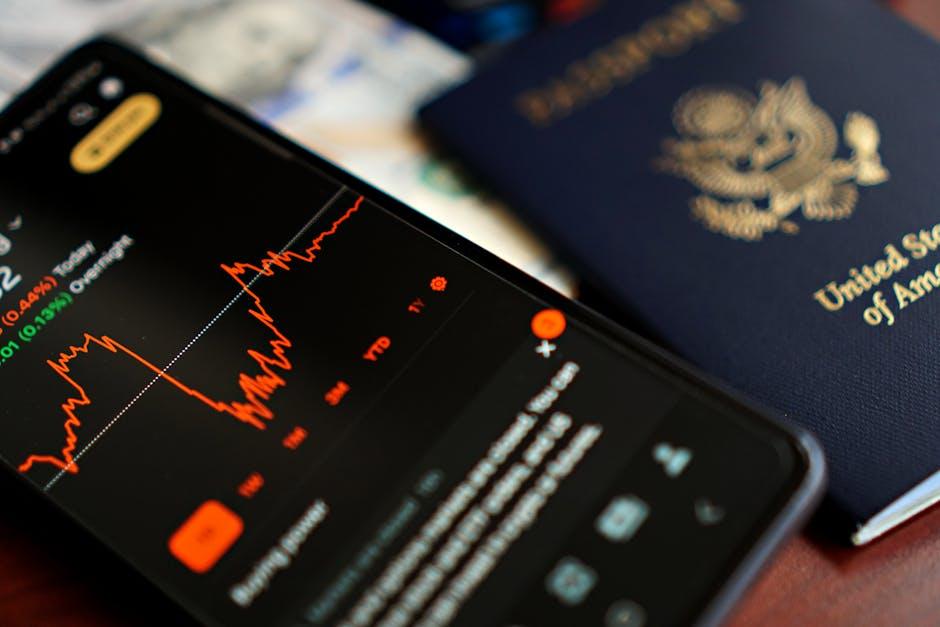
Exploring Global Programs and Their Unique Benefits
Countries around the world have embraced innovative pathways to citizenship, offering distinct advantages tailored to investors seeking not just a new passport but a gateway to global opportunity. These programs often blend economic growth incentives with lifestyle enhancements, allowing investors to tap into diverse benefits such as visa-free travel, tax optimization, and access to thriving business environments. The allure extends beyond borders to include prestigious education systems, robust healthcare, and a strategic foothold in key regions.
While each program has its own unique features, several common themes emerge that attract the global elite. Consider the comparison below, which highlights some of the standout attributes:
| Program | Investment Type | Key Benefits | Processing Time |
|---|---|---|---|
| Caribbean Citizenship | Real Estate / Donation | Visa-free travel to 140+ countries, no residency required | 3-6 months |
| European Residency | Real Estate / Business | Path to EU citizenship, access to Schengen Zone | 6-12 months |
| Asian Investment Visa | Business / Government Bonds | Dynamic economies, business-friendly regulations | 4-8 months |
- Flexibility: Programs vary to suit different investment styles and personal goals.
- Security: Enhanced global mobility with a second citizenship.
- Growth: Opportunities for family inclusion and wealth preservation.
Navigating Legal and Financial Considerations for Investors
Understanding the intricate web of legal frameworks is paramount for investors venturing into passport-by-investment programs. Each country has unique regulations governing eligibility, investment types, and residency requirements. It’s essential to conduct thorough due diligence, often necessitating consultation with legal experts specializing in immigration and international law, to interpret compliance obligations, tax implications, and the potential risks associated with dual citizenship. Investors should also be aware of international treaties and agreements that might affect their newfound status, ensuring a smooth transition and avoiding unintended legal entanglements.
Financially, the landscape demands careful navigation to balance opportunity with liability. Beyond the initial investment—ranging from real estate to government bonds—there are ongoing fees, taxes, and maintenance costs that impact long-term benefits. Engaging with financial advisors familiar with cross-border wealth management can optimize outcomes, helping investors structure their portfolios to maximize returns while minimizing tax exposure. Below is a simplified overview of typical financial commitments associated with popular passport-by-investment programs:
| Investment Type | Typical Minimum Amount | Additional Fees | Average Processing Time |
|---|---|---|---|
| Real Estate | $200,000+ | Maintenance + Property Taxes | 3-6 Months |
| Government Bonds | $100,000+ | Administrative Fees | 4-8 Months |
| Business Investment | $250,000+ | Operational Costs | 6-12 Months |
Assessing Risks and Ensuring Compliance in Citizenship by Investment
When navigating the intricate world of citizenship by investment programs, it’s imperative to recognize the inherent risks associated with due diligence lapses and regulatory ambiguities. Governments and investors alike must prioritize a robust framework that meticulously verifies the source of wealth and background of applicants to uphold the integrity of the process. Risk assessment protocols often include comprehensive background checks, anti-money laundering (AML) standards, and ongoing compliance monitoring, ensuring that the benefits of a new citizenship do not come at the expense of national security or global reputational damage.
Compliance goes beyond initial screening—it requires a dynamic, evolving strategy that aligns with international laws and best practices. The table below encapsulates key components critical for balancing risk management and compliance excellence in citizenship by investment schemes:
| Compliance Aspect | Purpose | Risk Mitigated |
|---|---|---|
| Enhanced Due Diligence | Verify applicant backgrounds thoroughly | Fraud, criminal associations |
| Ongoing Monitoring | Track post-citizenship activities | Money laundering, abuses of privilege |
| Regulatory Reporting | Ensure transparency with authorities | Non-compliance penalties |
| Legal Framework Updates | Adapt policy to emerging threats | Outdated or insufficient safeguards |
By embracing these layers of scrutiny, countries maintain not only their diplomatic standing but also fortify the trust of global investors. The collaboration between government bodies, financial institutions, and international watchdogs fosters a sustainable environment where citizenship by investment transcends a mere transactional exchange—transforming into a mutually beneficial gateway to opportunity.
Strategic Tips for Maximizing Value and Security in Your Investment Journey
Investing in a passport by investment program requires more than just capital; it demands a well-crafted strategy to ensure your assets grow while safeguarding your future mobility. Begin by researching countries with stable political environments and robust legal protections for investors. Prioritize jurisdictions that not only offer attractive economic growth but also maintain strong data security and privacy laws, enhancing the protection of your personal information and investment details. Diversifying your investment portfolio across multiple sectors within the host country can provide additional layers of financial security and potential for returns, minimizing risks associated with market volatility.
To maximize the long-term benefits, consider the timing and structure of your investment carefully. Governments often impose varying residency requirements and investment thresholds, so aligning your financial planning with these criteria is crucial. Use a checklist to track key factors like:
- Investment minimums and eligibility criteria
- Government fees and associated costs
- Processing times and application complexity
- Post-investment compliance and reporting obligations
| Benefit | Tip |
|---|---|
| Enhanced Security | Choose countries with strong political stability |
| Maximized Returns | Diversify across sectors and regions |
| Speed of Processing | Prepare documents thoroughly in advance |
| Legal Compliance | Consult with local legal experts |
Closing Remarks
As the world grows ever more interconnected, the allure of crossing borders with ease has transformed from a distant dream into an achievable reality for many. Passport through investment programs stand at the crossroads of opportunity and ambition, offering not just a new nationality, but a gateway to global possibilities. While the path may be paved with complexities and considerations, one thing is clear: the rise of these programs is reshaping how we think about citizenship, identity, and freedom. In unlocking borders through investment, individuals are not just acquiring documents—they are redefining the boundaries of the modern world.




