
In an increasingly interconnected world, where borders blur and cultures intertwine, the concept of identity has taken on new dimensions. Among these evolving notions is dual national citizenship-a status that allows an individual to be recognized as a citizen of two countries simultaneously. Far from being a straightforward legal label, dual citizenship embodies a complex tapestry of opportunities, responsibilities, and legal nuances. This article delves into what dual national citizenship truly means, exploring its benefits, the potential challenges it poses, and the intricate legal implications that accompany holding allegiance to more than one nation. Whether motivated by heritage, lifestyle, or global mobility, understanding this multifaceted status is vital in navigating the modern landscape of nationality.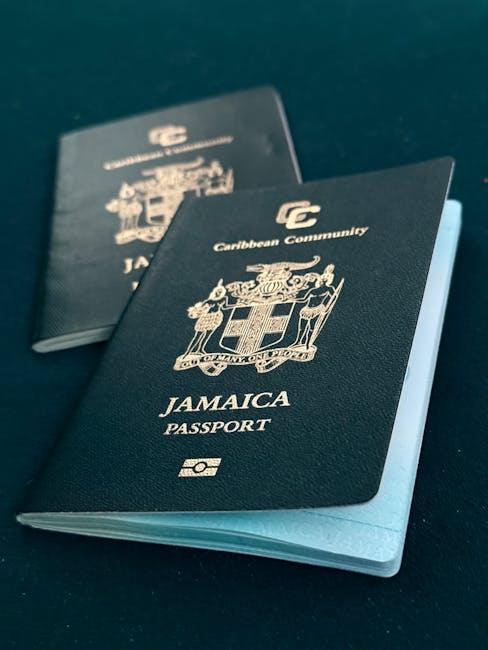
Exploring the Basics of Holding Two Nationalities
Dual national citizenship refers to the legal status where an individual is recognized as a citizen by two different countries simultaneously. This means the person holds two passports, enjoys rights in both nations, and is subject to laws and obligations such as taxes and military service in both jurisdictions. Unlike permanent residency or naturalization without citizenship, dual nationality grants full political, legal, and social membership in each country. However, the rules governing dual citizenship vary widely; some countries fully embrace it, while others impose restrictions or require renunciation of prior citizenship upon naturalization. Understanding these differences is essential when considering holding two nationalities.
While holding dual citizenship offers distinct advantages-such as easier travel, access to social services and education, diverse employment opportunities, and enhanced security-it also comes with potential challenges. Common issues include conflicting legal responsibilities, complex tax obligations, and possible diplomatic complications in case of disputes. For example, dual citizens may be required to obey military conscription laws in both countries or file tax returns with differing systems. Here’s a brief comparison to clarify these aspects:
| Aspect | Benefits of Dual Citizenship | Challenges of Dual Citizenship |
|---|---|---|
| Travel & Residency | Visa-free or simplified entry to both countries | Potential visa restrictions elsewhere due to dual passport status |
| Legal Rights | Voting and political participation in both countries | Conflicting legal systems and obligations |
| Taxes | Eligibility for social security benefits in both countries | Complex tax compliance, possible double taxation |
| Military Service | Access to national defense services or programs | Dual conscription obligations in some countries |
- Recommendation: Before pursuing dual citizenship, research the specific rules of each country involved, paying close attention to legal restrictions and obligations.
- Tip: Consulting an immigration lawyer or specialist can help clarify complex situations like tax treaties, military service exemptions, or renunciation requirements.

Advantages That Come With Being a Dual Citizen
Dual citizenship allows individuals to legally belong to two countries simultaneously, unlocking a range of practical advantages in today’s globalized world. One key benefit is enhanced travel freedom: dual citizens often enjoy visa-free or visa-on-arrival access to a broader array of countries, facilitating both business and leisure travel without frequent visa applications. Additionally, owning citizenship in two countries typically grants access to both nations’ social services, healthcare systems, and educational opportunities. This can be especially valuable for families seeking the best schooling options or for retirees looking for affordable healthcare while enjoying the lifestyle of another country.
Another notable advantage lies in economic flexibility. Dual citizens can work, invest, and own property in either country without the restrictions often faced by foreign nationals. This can translate into greater professional opportunities and the ability to diversify assets internationally. In some cases, tax obligations may become more complex, but many dual citizens find that the potential for increased income opportunities and asset protection outweighs the challenges. For clarity, here’s a simplified comparison of key benefits commonly enjoyed by dual citizens:
| Benefit | Typical Advantage |
|---|---|
| Travel | Access to multiple passports, reduced visa barriers |
| Employment | Legal right to work in both countries without permits |
| Education | Eligibility for domestic tuition rates and scholarships |
| Property Ownership | Right to buy and own real estate native to each country |
| Social Benefits | Access to healthcare, pensions, and social security programs |
Navigating the Complexities and Legal Boundaries of Dual Citizenship
requires a clear understanding of how different countries approach the concept, as laws can vary widely. While some nations welcome dual nationality and offer straightforward paths to maintain citizenship in multiple countries, others impose strict regulations or even prohibit it outright. This legal patchwork means individuals must stay informed about the obligations tied to each nationality, such as tax responsibilities, mandatory military service, voting rights, or limitations on holding government positions. For example, some countries may require dual citizens to pay taxes on global income, while others tax only income earned within their borders. Awareness of such nuances can prevent unforeseen legal consequences.
When considering dual citizenship, several key points can help manage these challenges effectively:
- Disclosure Requirements: Many countries require citizens to notify government agencies if they acquire additional nationality.
- Travel Implications: Dual citizens must often use different passports depending on the country they’re entering or leaving, affecting visa eligibility and border control.
- Loss of Citizenship Risks: Certain nations revoke citizenship if a person voluntarily acquires another nationality, so it’s vital to confirm whether this applies before taking an oath or applying for dual status.
- Legal Protections and Conflicts: Dual citizens may become entangled in diplomatic issues if legal conflicts arise between their countries of citizenship.
| Aspect | Countries Allowing Dual Citizenship | Countries Restricting or Prohibiting Dual Citizenship |
|---|---|---|
| Taxation | May require global income reporting | Often tax only domestic income; dual citizenship may not affect tax status |
| Military Service | Possible obligations in both countries | May deny citizenship if military obligations conflict |
| Retention Policies | Typically permits retention unless voluntarily renounced | May require renouncing other citizenships |
Common Myths About Dual Nationality Debunked
Myth 1: Dual nationality means you must pay taxes twice. One of the most widespread misconceptions is that holding dual citizenship automatically subjects you to double taxation. In reality, many countries have established tax treaties to prevent this, and tax obligations depend largely on where you reside and earn income. For example, while the U.S. taxes its citizens on worldwide income regardless of residence, most other countries apply taxes primarily based on residency, not citizenship. It’s crucial to research specific tax laws or consult with a tax professional to understand your individual responsibilities clearly-dual nationality does not inherently mean dual taxation.
Myth 2: Dual citizens can’t hold public office or vote in both countries. Another common myth is the assumption that dual nationals are restricted in their political participation. In truth, eligibility to hold office or vote depends on each country’s laws, not citizenship status alone. Many dual nationals enjoy full voting rights in both nations and may be eligible for public service, though some countries exclude those with allegiance to another state. For instance, Australia allows dual nationals to vote and run for office, while other countries may require renouncing the second citizenship first. Understanding these legal nuances helps dual citizens navigate their political rights effectively, avoiding confusion about their civic engagement potential.
Key Considerations When Deciding to Embrace Dual Citizenship
When deciding to embrace dual citizenship, understanding the legal obligations and potential limitations is essential. While dual citizenship allows you to enjoy the privileges of two countries-such as enhanced travel flexibility, access to social services, and employment opportunities-it often comes with responsibilities like tax filing requirements in both nations, mandatory military service, or allegiance oaths. It’s important to verify how each country involved treats dual nationals, as some may restrict political participation or impose residency requirements. Considering these factors upfront helps prevent unexpected legal complications or conflicts of interest that could arise from holding two passports.
Practical lifestyle factors also play a crucial role in this decision. Beyond legal issues, think about the impact on your family, career, and long-term plans. For example, dual citizenship can simplify education access for children or make property ownership easier across borders. However, it can also complicate matters like inheritance law and health insurance eligibility. To assist in evaluating your situation, here’s a quick overview of typical advantages and challenges associated with dual citizenship:
| Advantages | Challenges |
|---|---|
| Visa-free travel to more countries | Possible double taxation and complex tax filing |
| Work and live freely in both countries | Conflicting legal obligations (e.g., military service) |
| Access to social services and education | Potential restrictions on government jobs or voting rights |
| Preservation of cultural identity and family ties | Varied acceptance of dual citizenship by countries involved |
Closing Remarks
In a world increasingly connected yet complex, dual national citizenship stands as both a bridge and a boundary-opening doors to new opportunities while inviting careful consideration of its legal, cultural, and personal dimensions. Navigating the benefits and challenges of holding allegiance to two nations requires a clear understanding of the responsibilities and rights it entails. As global mobility continues to shape identities and loyalties, embracing the nuances of dual citizenship becomes not just a legal matter, but a thoughtful exploration of what it means to belong-to oneself, and to multiple worlds.




