
In an increasingly interconnected world, the concept of citizenship is evolving beyond traditional boundaries. More individuals are embracing multiple citizenships, weaving together identities across continents and cultures. This phenomenon opens doors to a wealth of opportunities — from expanded travel freedoms to diverse economic prospects — yet it also presents a complex web of legal obligations and personal dilemmas. Navigating the world of multiple citizenship requires a careful balance of its compelling benefits and intricate challenges, inviting us to explore what it truly means to belong.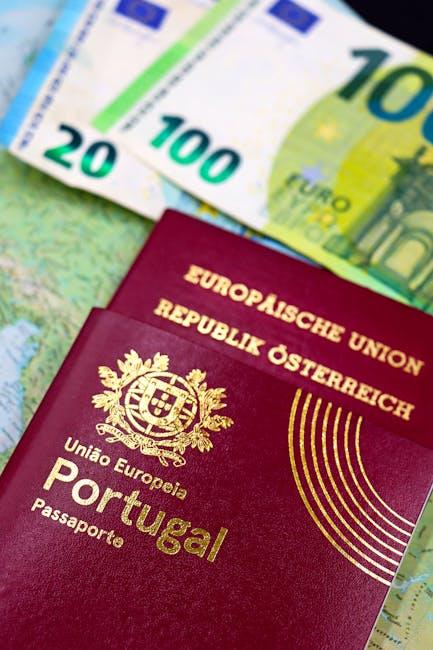
Understanding the Legal Landscape of Multiple Citizenship
Grasping the nuances of multiple citizenship requires a deep dive into a complex web of international laws and bilateral agreements. Countries vary greatly in their stance—some welcome dual or multiple citizenship with open arms, while others impose strict restrictions or even revoke previous citizenships upon acquiring a new one. These legal frameworks define the rights, responsibilities, and potential risks associated with holding more than one nationality. Important factors to consider include:
- Tax obligations—Countries may require citizens to declare worldwide income or adhere to specific filing rules.
- Military service—Some nations mandate compulsory service which might conflict across citizenships.
- Political rights—Voting eligibility and candidacy can differ significantly.
- Travel and residency controls—Dual nationals enjoy varied access benefits, but restrictions may apply.
To offer a clearer picture, here’s a brief comparison of citizenship acceptance policies in select countries:
| Country | Allows Multiple Citizenship? | Notes |
|---|---|---|
| Canada | Yes | Permits multiple citizenship with no major restrictions |
| Japan | No | Requires renunciation of other citizenship by adulthood |
| Brazil | Yes | Accepts multiple, especially for naturalized citizens |
| China | No | Strict prohibition of dual nationality |
Weighing the Economic and Social Benefits
When considering multiple citizenship, it’s crucial to recognize how this status impacts both an individual’s economic prospects and their social landscape. Economically, holding more than one citizenship can open doors to diverse markets and greater employment opportunities. Citizens often benefit from easier access to local job markets, property ownership, and reduced travel restrictions, which can translate into tangible financial advantages. Moreover, multiple citizenship may enable smoother business operations across borders, fostering entrepreneurship and investment without the usual bureaucratic barriers.
On the social front, this dual or multiple identity enriches cultural exchanges and personal networks, enhancing social mobility and broadening worldviews. However, individuals might face challenges in balancing loyalties or navigating differing legal systems and social norms. It’s a dynamic interplay where benefits and complexities coexist:
- Broadened Global Identity: Enhanced cultural understanding and adaptability.
- Access to Social Services: Eligibility for benefits in multiple countries.
- Legal Obligations: Potential requirements for taxes, military service, or civic duties.
| Benefit | Potential Challenge |
|---|---|
| Cross-border employment flexibility | Complex tax filing requirements |
| Access to diverse education systems | Conflicting national policies |
| Multiple voting rights | Possible diplomatic tensions |
Addressing Complexities in Taxation and Compliance
Juggling multiple citizenships can often feel like walking a financial tightrope. Each country enforces its own tax obligations, reporting rules, and compliance requirements, making it essential for dual or multiple citizens to navigate this labyrinth with precision. Failure to comply can lead to hefty penalties, legal complications, or even loss of citizenship status in some extreme cases. Understanding the nuances of tax residency, double taxation treaties, and reporting duties like the Foreign Account Tax Compliance Act (FATCA) in the US or Common Reporting Standard (CRS) globally, is crucial for maintaining good standing across jurisdictions.
To better visualize these complexities, consider the following common challenges and strategies:
- Overlapping tax responsibilities: Often, multiple citizenships mean multiple tax return filings.
- Currency exchange considerations: Profits and income in different currencies can complicate tax calculations.
- Transparent financial disclosures: Increasing global data-sharing mandates require comprehensive reporting.
| Complexity | Potential Solution |
|---|---|
| Conflicting tax laws | Leverage double taxation treaties to avoid dual tax liabilities |
| Multiple reporting thresholds | Hire cross-border tax professionals to ensure compliance |
| Currency and asset valuation | Utilize specialized financial advisory to accurately convert and declare assets |
Balancing Identity and Allegiance in a Globalized World
In an era marked by unprecedented connectivity, individuals holding multiple citizenships often find themselves navigating a delicate dance between personal identity and competing national loyalties. The richness of belonging to diverse cultural backgrounds can foster a profound sense of global citizenship, yet it may also introduce moments of tension when values or policies between nations clash. Crafting a balanced self-concept requires embracing the complexity of overlapping allegiances without succumbing to the pressure of choosing one “true” identity over another. This dynamic interplay shapes not only personal narratives but also challenges traditional notions of nationhood, encouraging us to redefine community in more fluid and inclusive terms.
Key considerations for those balancing multiple national ties include:
- Negotiating conflicting societal expectations and cultural norms
- Addressing legal responsibilities such as taxation and civic duties
- Maintaining emotional connections across geographic and cultural distances
| Aspect | Potential Challenge | Suggested Approach |
|---|---|---|
| Legal Obligations | Double taxation, voting rights conflicts | Consult legal experts, prioritize compliance |
| Cultural Expectations | Conflicting values, social acceptance | Foster open communication, embrace hybridity |
| Emotional Identity | Feeling alienated or divided | Develop a personal narrative integrating multiple roots |
Practical Strategies for Managing Multiple Citizenship Effectively
Successfully juggling the responsibilities and privileges that come with multiple citizenships requires a deliberate and organized approach. Begin by maintaining meticulous records of all legal documents—including passports, residency permits, and tax identification numbers—to avoid unexpected complications. Regularly update yourself on the laws and regulations of each country, as changes in immigration policies or tax obligations can impact your status swiftly. Employing bilingual or multilingual digital tools can streamline communication with government agencies and help you stay ahead of deadlines.
Additionally, strategic planning can optimize the benefits of your multifaceted status. Consider these key practices:
- Tax optimization: Leverage tax treaties and exemptions to minimize liabilities.
- Travel smartly: Use the passport that offers the best visa-free access for your destination.
- Banking and finances: Open international accounts to manage multi-currency needs with ease.
- Cultural integration: Stay connected with each country’s culture to deepen your ties and ease transitions.
| Challenge | Solution |
|---|---|
| Duplicate Tax Filings | Consult experts & use tax treaties |
| Passport Expiry Overlap | Set calendar reminders for renewals |
| Conflicting Legal Obligations | Seek legal advice in each jurisdiction |
The Way Forward
In the intricate dance of multiple citizenships, the journey is as complex as it is rewarding. Embracing more than one national identity can unlock doors to diverse cultures, opportunities, and freedoms, yet it inevitably weaves a tapestry of legal nuances and personal dilemmas. As global borders blur and identities intertwine, understanding the balance between benefits and challenges becomes essential for anyone considering this path. Ultimately, navigating the world of multiple citizenship requires not only practical awareness but also a thoughtful reflection on what it means to belong—sometimes, to more than one place at once.




